Patrick Sanders, The Motley Fool
4 min read
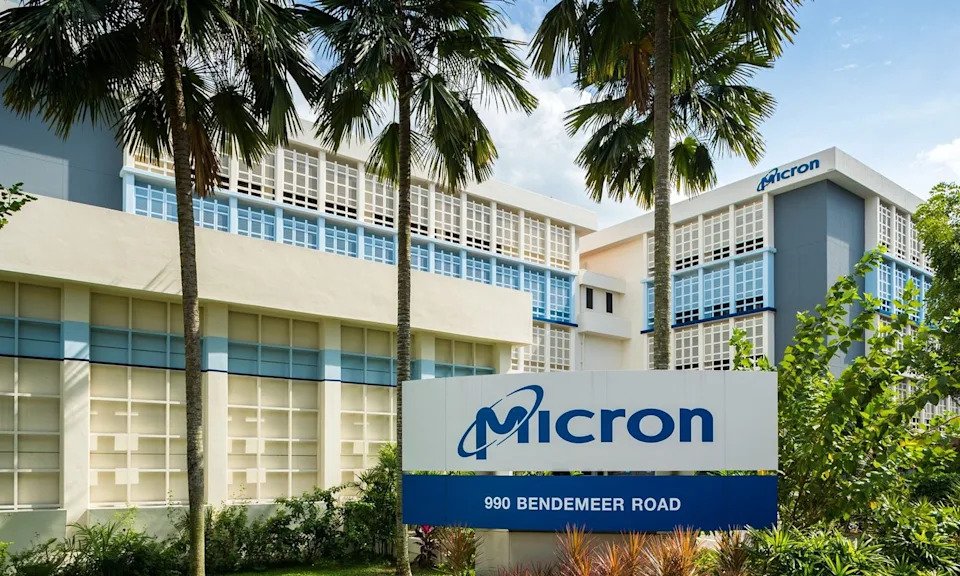
Micron Technology (NASDAQ: MU) has been one of the biggest winners from the artificial intelligence (AI) boom. But lately, investors have been taking a less enthusiastic view of the memory chipmaker.
Micron stock has fallen more than 34% from its all-time high amid concerns about a potential slowdown in AI spending, rattling technology stocks. That’s a substantial decline for a company reporting extraordinary revenue and profit growth.
Missed AI’s “Act 1”? Act 2 Could Be 16x Bigger. Most investors think they missed the AI boat because they didn’t buy Nvidia in 2005. But according to our analysts, we’re only at the end of “Act 1″—the R&D phase. “Act 2” is the global rollout. Continue »
And I think it’s creating an opportunity for investors.
The memory shortage isn’t going away
Micron manufactures dynamic random-access memory (DRAM), NAND flash storage, and high bandwidth memory (HBM), all essential for AI processors. The company competes with South Korea’s SK Hynix and Samsung in a market where demand is outstripping available supply.
In fact, SK Hynix recently reported that its DRAM and HBM production is effectively sold out through 2029. Chief financial officer Woo-hyun Kim told analysts that memory shortages could persist through 2030 because building additional manufacturing capacity takes years.
Micron is experiencing similar demand. During its fiscal fourth-quarter earnings call in September, CEO Sanjay Mehrotra said a large portion of Micron’s HBM production for calendar 2027 was already sold out, with prices substantially higher than those negotiated for 2026.
And the shortage isn’t limited to specialized AI memory. Manufacturing HBM requires considerably more production capacity than conventional DRAM. As manufacturers devote additional resources to HBM, less capacity is available for memory used in computers, smartphones, and conventional servers. That gives Micron opportunities to increase prices across its product portfolio.
Micron’s financial results tell the story
In its fiscal fourth quarter, which ended Sept. 3, Micron reported revenue of $54.23 billion, an increase of 379% from a year earlier. Net income jumped to $37.7 billion, compared with $3.2 billion in the year-ago quarter.
And management expects even better results ahead. Micron projected fiscal first-quarter 2027 revenue of $60 billion to $63 billion, with a non-GAAP (generally accepted accounting principles) gross margin of approximately 86.25%. That’s an extraordinary level of profitability for a company operating in the historically cyclical memory industry.