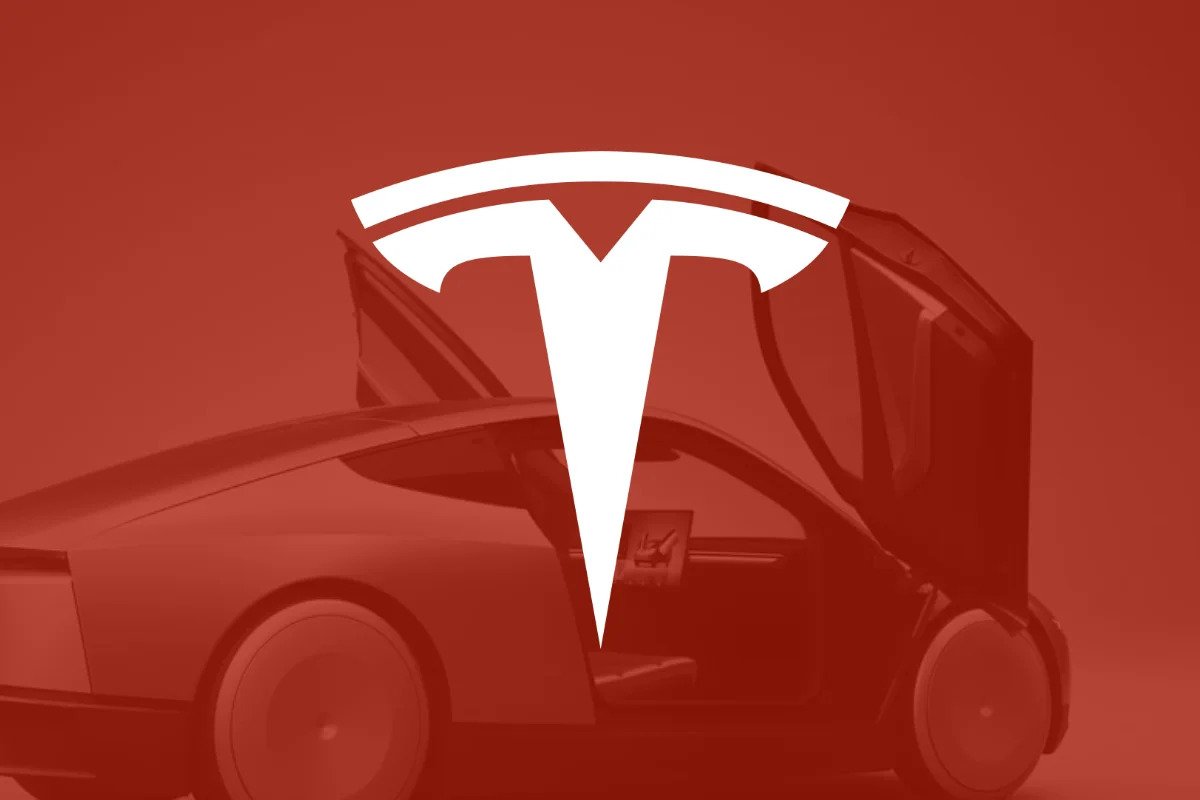
Investors view Tesla (NASDAQ: TSLA) as a perennial winner. Over the last decade, this is true. Shares have soared 2,630% since early November 2016 (as of Nov. 5, 2026).
But the story takes a dramatic turn if you zoom in. This “Magnificent Seven” stock has actually dropped 16% in the past five years. That performance means that it has significantly underperformed the broader market. Investors are left wondering if the company’s shares are staying out of the fast lane permanently.
Missed Nvidia in 2009? This Rare Signal Is Flashing Again. In 2009, a “Double Down” signal flashed for a little-known chipmaker called Nvidia. For the first time in years, that same “Total Conviction” signal is flashing for a company 1/100th the size of Nvidia. Continue »
Here’s what a $1,000 investment in Tesla could be worth in five years. There is, without a doubt, significant upside. However, uncertainty is sky-high.
The opposite of stable and predictable
One of the core tenets of Warren Buffett’s investing philosophy is to own what you know. Investors must be able to confidently figure out what a business will look like in the future. Naturally, this limits the opportunity set to stable and predictable companies.
Tesla is the opposite. It’s like the business is always undergoing some sort of strategic restructuring. This makes it extremely difficult to assess what the future will bring.
Five years from now, Tesla’s operations could look very similar to what they are today. During the third quarter (ended Sept. 30), 73% of the company’s revenue came from selling electric vehicles (EVs). This business continues to struggle, though, as competition diverts consumer spending to rival offerings, which has forced Tesla to lower pricing. Deliveries dipped 2% year over year in Q3.
It also doesn’t help that car demand is exposed to changing economic winds, adding volatility to the mix. Just ask the legacy mass-market auto manufacturers how much their profits can fluctuate based on interest rates and other macro variables.
Tesla is working on exciting projects that attract the market’s attention. While the Robotaxi service is only running in select markets right now, with Cybercab only in Austin, Texas, the future of the company rests on autonomous vehicle technology. The ultimate goal is to run a global fleet that collects recurring revenue at tremendous scale.
Optimus, the humanoid robot, is another important part of the story. These won’t be available for sale until the end of 2027, at the earliest. However, Elon Musk said in 2024 that this product could drive Tesla’s market capitalization to $25 trillion one day.