Lee Samaha, The Motley Fool
3 min read
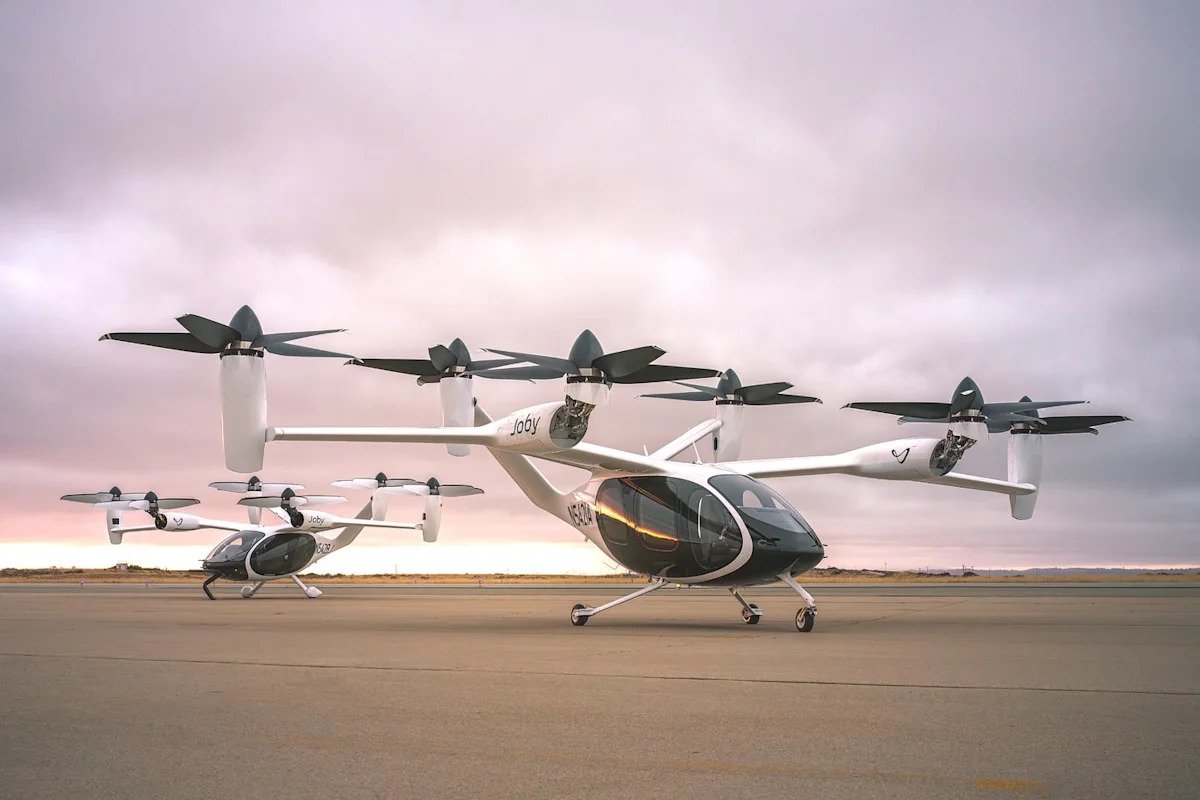
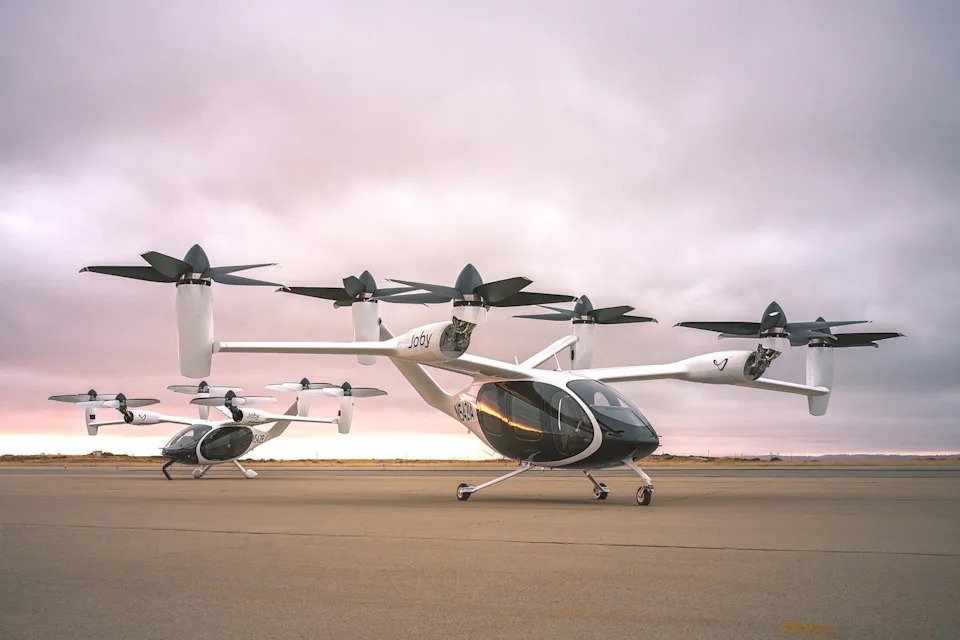
The answer to the question posed in the headline above highlights the risk in the electric vertical takeoff and landing (eVTOL) company Joby Aviation (NYSE: JOBY) stock: its long-term potential and the difference in its business model from peers like Archer Aviation (NYSE: ACHR). Here’s why.
Missed Nvidia in 2009? This Rare Signal Is Flashing Again. In 2009, a “Double Down” signal flashed for a little-known chipmaker called Nvidia. For the first time in years, that same “Total Conviction” signal is flashing for a company 1/100th the size of Nvidia. Continue »
Joby Aviation’s five-year outlook
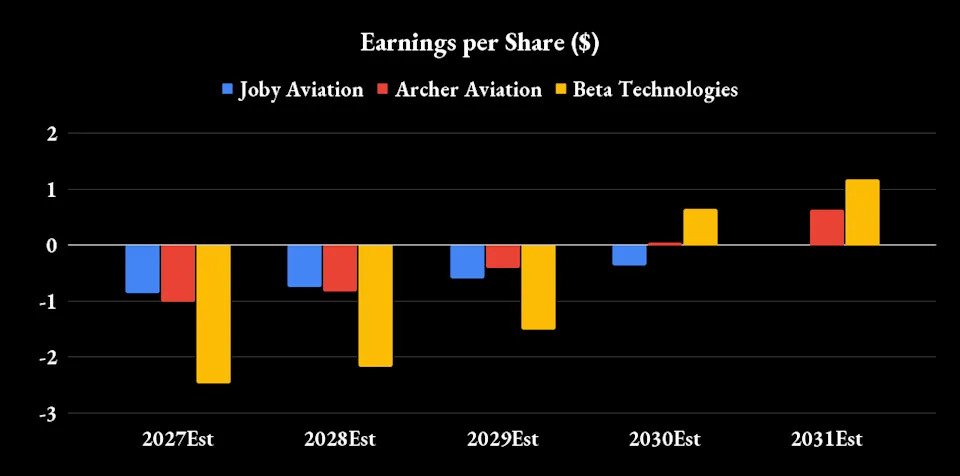
Based on the Wall Street analyst consensus from S&P Global Market Intelligence, 2031 is forecast to be the first time Joby Aviation will generate earnings per share. The table below shows the Wall Street consensus earnings-per-share (EPS) estimates for Joby and two of its peers. Although Joby is expected to report negative EPS in 2031, the impact is only $0.01, and its earnings cadence suggests it will start reporting positive quarters throughout the year.
Readers will also note that Archer and Beta Technologies‘ EPS are forecast to turn positive in 2030, largely because they are more original equipment manufacturers (OEMs) selling to third-party customers. In comparison, Joby’s focus is on building a transportation-as-a-service (TaaS) model in which it owns and operates its eVTOL. In a nutshell, Archer and Beta will receive revenue upon eVTOL deliveries, while Joby will burn cash as it develops its TaaS model, aiming to generate long-term recurring revenue.
Joby Aviation in 2031
A positive outlook sees the company ending 2031 with earnings, validating its TaaS model. However, the key question may not be about establishing a TaaS model at the end of the decade; it may boil down to whether Joby succeeds in developing an autonomous eVTOL that can lower costs and make air taxis more commercially viable in its TaaS business.
As such, investors shouldn’t just monitor Joby and Archer’s march toward piloted eVTOL certification or their profit trajectories, but also their timelines for developing autonomous eVTOL too. Consequently, the recent announcement of additional funding (total commitment of $37 million) from the U.S. Air Force to “accelerate Joby’s autonomous flight technology” is a vote of confidence in what could turn out to be the real long-term game changer for the company.
Should you buy stock in Joby Aviation right now?
Before you buy stock in Joby Aviation, consider this: