Roushni Nair
3 min read
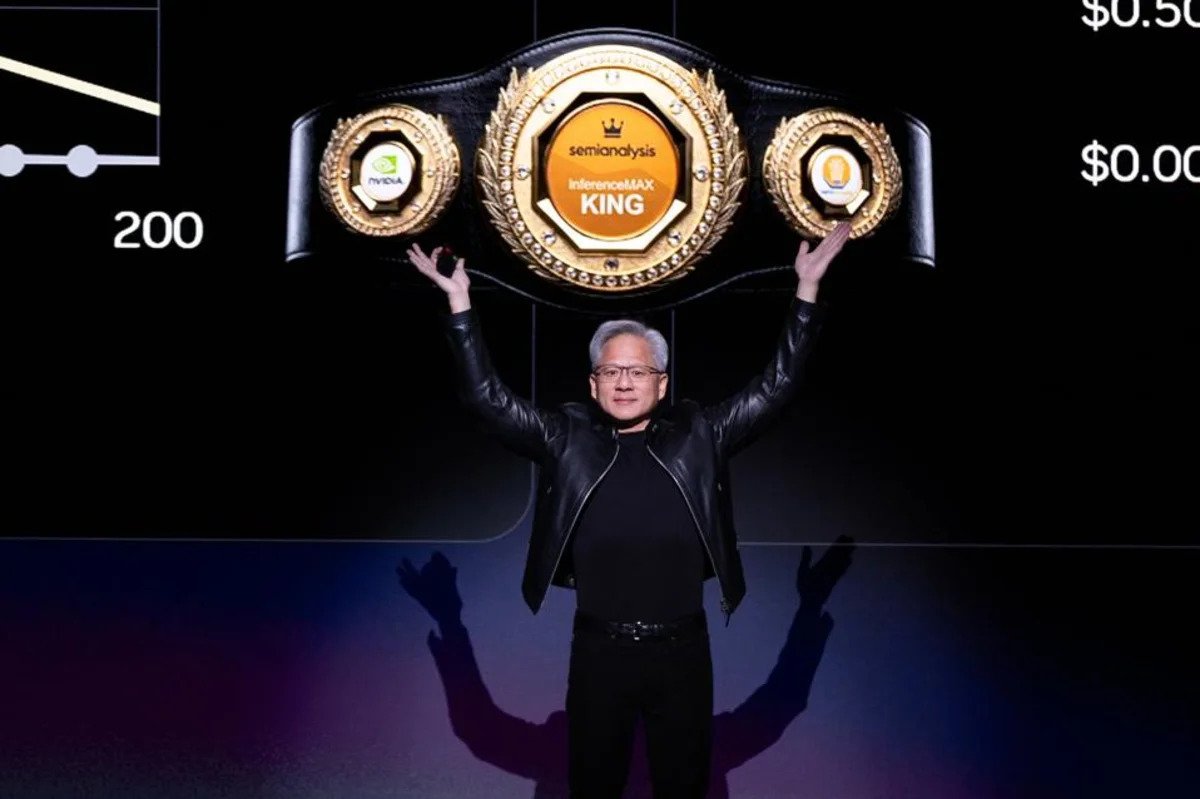
Investing.com — Asian stocks held modest gains on Thursday as investors weighed resilient technology shares against fresh uncertainty over Nvidia’s leadership, after reports that its board was discussing the future of Chief Executive Jensen Huang.
The MSCI Asia Pacific Index rose 0.3%, led by technology shares, even as Nasdaq 100 futures fell 0.86% and S&P 500 futures lost 0.35% in Asian trade.
Wall Street had rallied on Wednesday, with the Nasdaq 100 jumping 2.3% and the S&P 500 gaining 1.3%, leaving the latter close to recovering its losses since last week’s U.S. midterm elections.
The rally reflected renewed confidence in AI demand. CoreWeave shares surged 25% after the cloud-computing provider raised its annual outlook, OpenAI reported quarterly revenue of $10 billion and Anthropic’s planned initial public offering was said to be multiple times oversubscribed. Nvidia’s after-hours slump has since unsettled investors.
Nvidia turmoil puts AI leadership risk back in focus
Nvidia shares fell more than 8% in after-hours trading, having dropped as much as 10%, on reports that the board was weighing whether to remove Huang.
Directors were reported to be meeting on Wednesday to discuss his future, while the company has been working with an outside firm to identify potential successors and considering an interim chief executive.
The reports follow allegations of two extramarital affairs, including one involving a woman reportedly suspected by U.S. authorities of links to Chinese intelligence.
The New York Times also reported that Huang had a relationship with an Nvidia executive who reported to him. Huang acknowledged being unfaithful to his wife but gave no details. Nvidia’s board has opened an investigation and said it had no reason to believe company secrets or U.S. national security were compromised.
The uncertainty matters because Nvidia sits at the centre of the AI investment boom and Huang has been closely identified with its rise. A leadership vacuum could unsettle confidence in the chipmaker and wider AI supply chain, even as demand for computing capacity remains strong.