Despite plenty of curveballs thrown at investors this year, the S&P 500 is higher by 11.5%. All things considered, that’s pretty good. Even if the index doesn’t do anything for the remainder of 2026, a gain of 11.5% would be slightly above the long-term average annual increase of 10%.
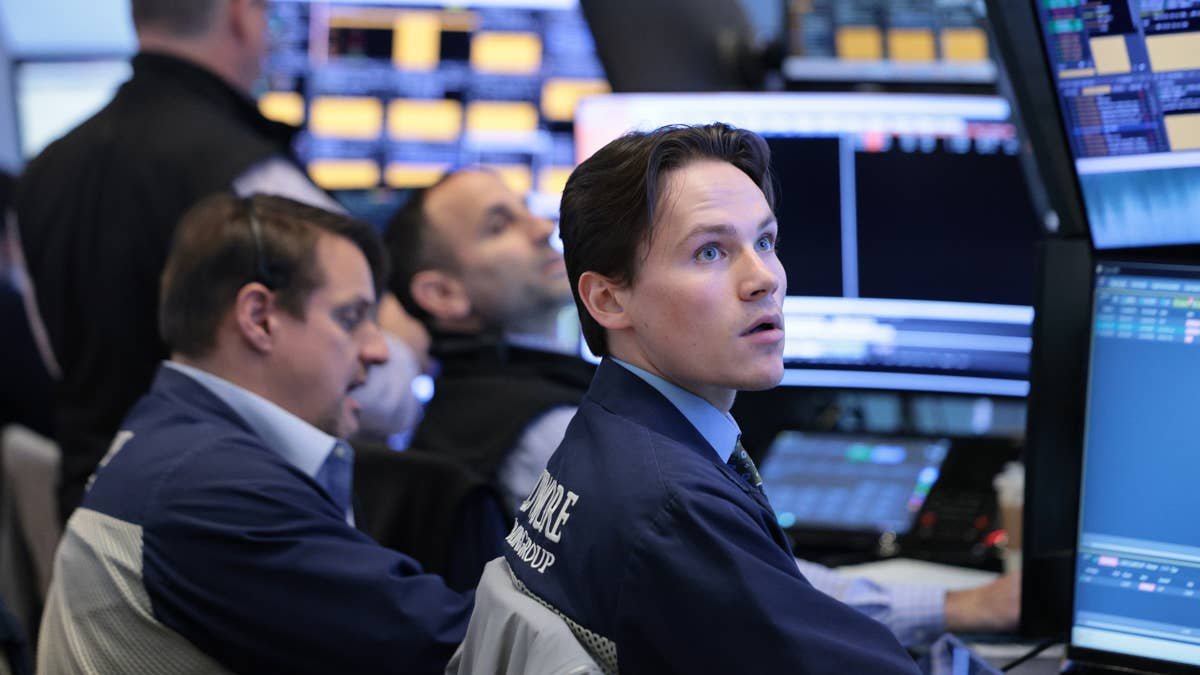
Still, with 2027 right around the corner, bear market fears are percolating. Maybe it’s just a case of investors being nervous or prudent following an impressive multi-year stretch for equities. On the other hand, bear market fears aren’t entirely unfounded at a time when the U.S. government is cruising toward a divided leadership come January, the war in Iran hasn’t been resolved, and inflation is still too hot for comfort, among other factors.
Missed AI’s “Act 1”? Act 2 Could Be 16x Bigger. Most investors think they missed the AI boat because they didn’t buy Nvidia in 2005. But according to our analysts, we’re only at the end of “Act 1″—the R&D phase. “Act 2” is the global rollout. Continue »
Hopefully, a bear market won’t arrive next year, but given the aforementioned factors, investors would do well to adopt “prepare for the worst, hope for the best” mindsets. One way to do that is to build shopping lists of exchange-traded funds (ETFs) that could be worth examining if equities swoon by 20% or more next year. Here’s a trio to consider.
Playing defense with dividends
History shows that during periods of market turmoil, dividend payers perform worse than the broader market. That’s particularly true of stocks in the payout growth category. Alone, that’s a valid reason to consider the Schwab U.S. Dividend Equity ETF (NYSEMKT: SCHD) if the bears are growling in 2027.
Fresh off an all-time high notched immediately after last week’s U.S. midterm elections, this Schwab ETF is proving to investors that it holds up well amid macroeconomic challenges and shifts in political winds. Indeed, the ETF has done just fine over the course of 2026, trouncing the S&P 500 by nearly a 3-to-1 margin.
It’s no secret why this ETF could be a friend to investors during a bear market. For starters, its underlying index — the Dow Jones U.S. Dividend 100™ Index — focuses “on the quality and sustainability of dividends.” There aren’t a lot (if any) yield traps held by this fund.
Second, this ETF allocates roughly 38% of its portfolio to defensive consumer staples and healthcare stocks. Those sectors aren’t guaranteed to rise during bear markets, but decades of market history confirm that those groups usually live up to their protective billing when the broader market falters materially.