Micron Technology (NASDAQ:MU) has taken investors for a wild ride in 2026. Shares have added 175% this year, yet they have also fallen 35% from their record high in June. Investors are weighing extraordinary demand for memory chips against skepticism about how much longer the boom can last.
Wall Street generally sees a buying opportunity. Among 55 analysts, Micron has a median target price of $1,575 per share, implying 107% upside from the current share price of $760. But the bullish consensus deserves scrutiny because the seemingly inexpensive valuation comes with an important caveat.
Missed Nvidia in 2009? This Rare Signal Is Flashing Again. In 2009, a “Double Down” signal flashed for a little-known chipmaker called Nvidia. For the first time in years, that same “Total Conviction” signal is flashing for a company 1/100th the size of Nvidia. Continue »
Here are the important details.

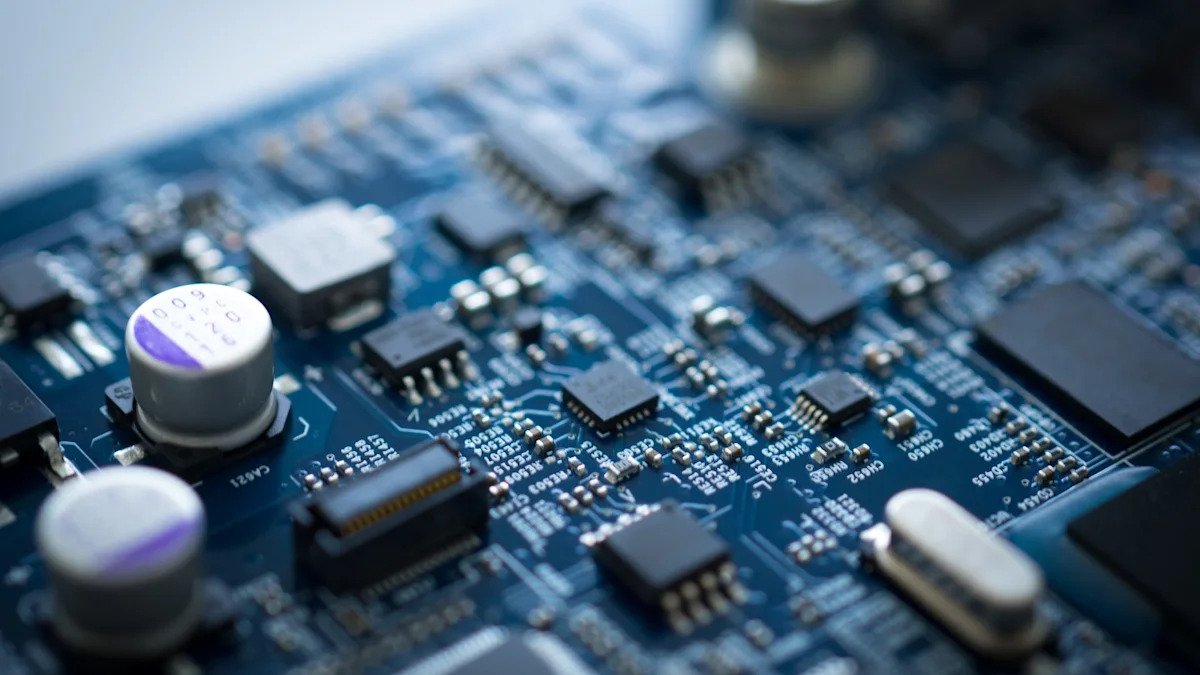
Image source: Getty Images.
The bull case: AI demand and a seemingly cheap valuation
Micron is a semiconductor company that manufactures DRAM memory and NAND flash storage. DRAM holds information processors need to access quickly, while NAND retains data over long periods. Both technologies are essential to artificial intelligence (AI), which positions Micron to benefit as technology companies expand their data centers.
Indeed, demand for AI infrastructure has led to an unprecedented supply shortage, driving memory prices higher across the board. DRAM and NAND contract prices are on pace to quadruple this year. And that trend has naturally translated into strong financial results for Micron. Revenue soared 379% to $54.2 billion in the fourth quarter of fiscal 2026, marking the fifth straight acceleration in growth.
Bulls believe those favorable conditions will persist. Following supply chain checks in Asia, KeyBank analyst John Vinh wrote, “Supply chain commentary continues to point to a tight memory environment through 2027.” Continued shortages would support pricing and give manufacturers more time to capitalize on exceptional demand.
Micron currently trades at 10 times adjusted earnings, essentially its lowest valuation since 2023. That multiple looks especially cheap because Wall Street expects adjusted earnings to grow at 65% annually through fiscal 2028. But the price-to-earnings ratio has been falling because investors are worried about the durability of Micron’s earnings growth.
The bear case: Strong demand does not eliminate cyclicality
Memory chips are more commoditized than logic chips like CPUs and GPUs. While product performance still matters, pricing is primarily driven by supply and demand. And periods of strong profits encourage manufacturers to expand output capacity, which eventually leads to oversupply, falling prices, and shrinking margins.