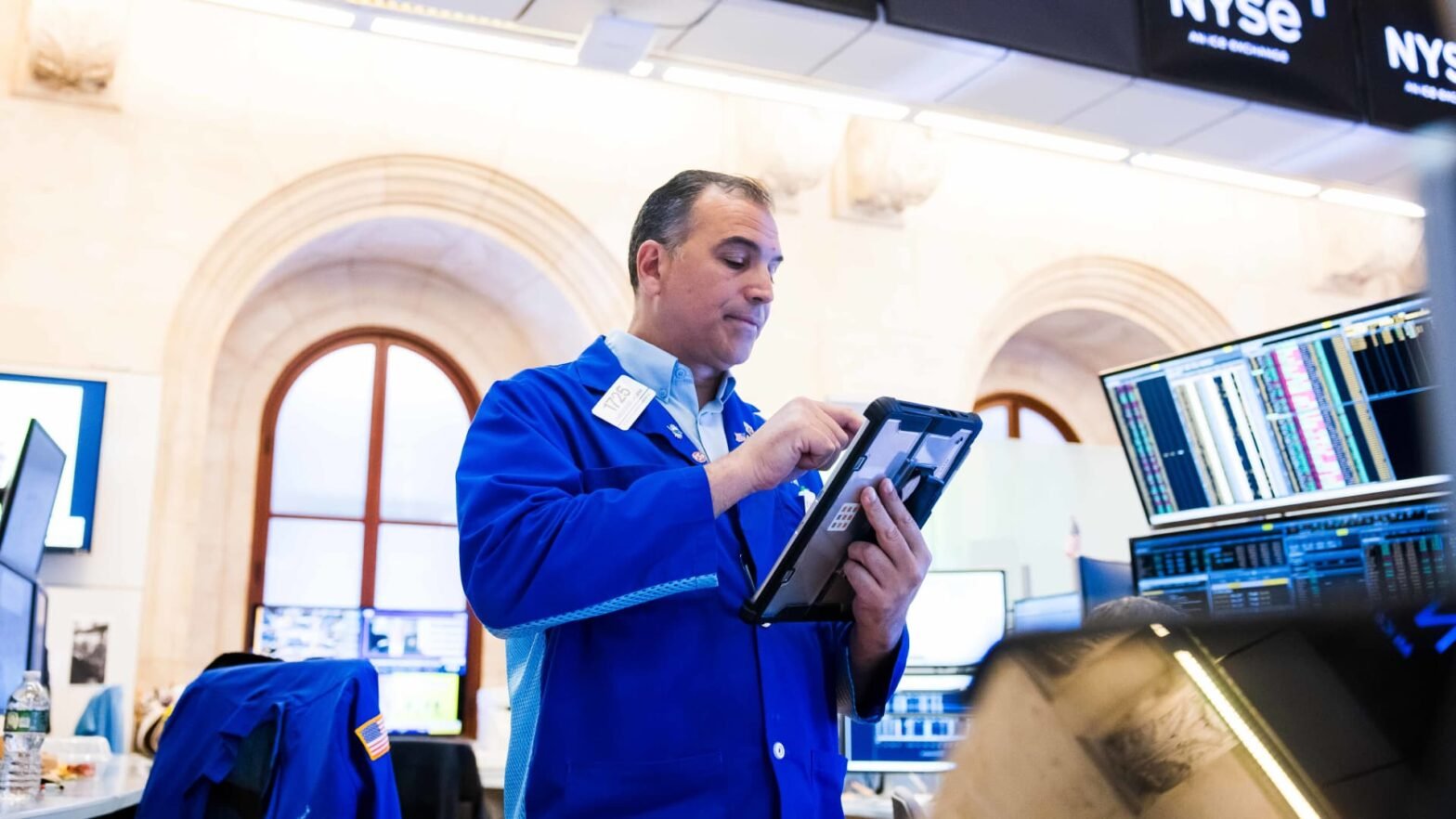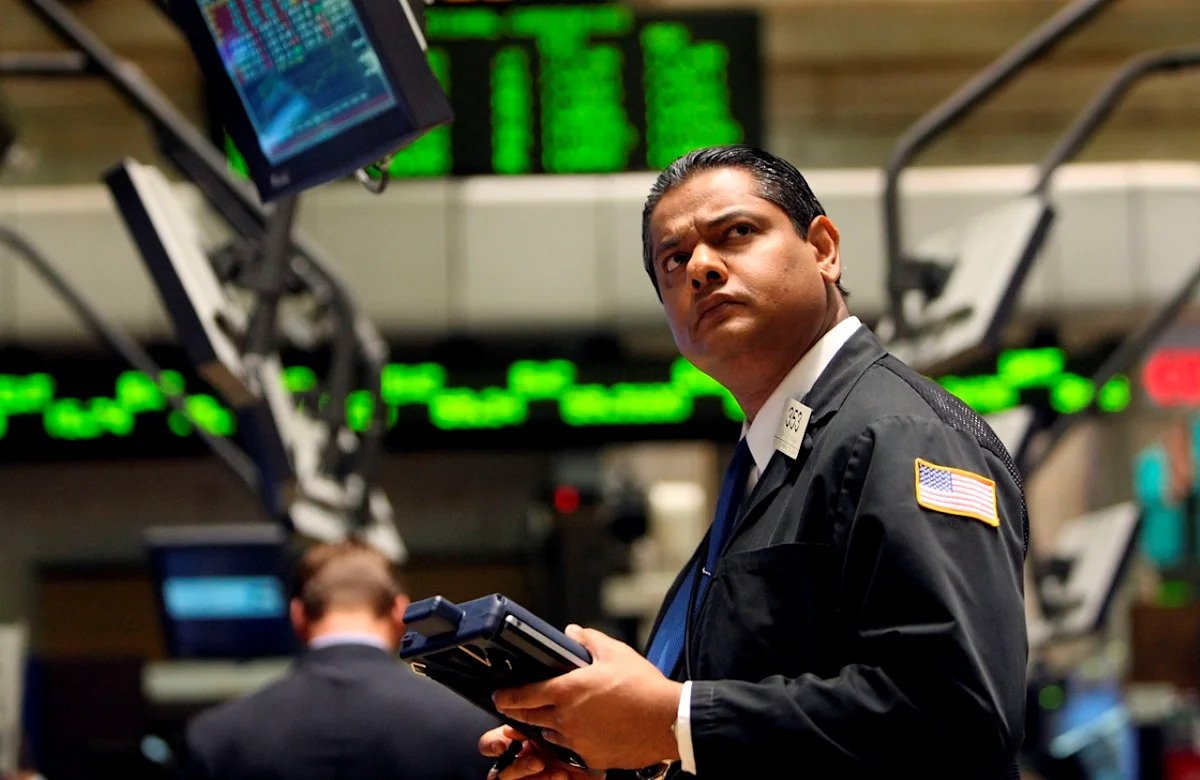
In what might be its biggest news in years, Ava Labs, the company that builds the blockchain behind the cryptocurrency Avalanche (CRYPTO:AVAX), just said on Nov. 9 that it struck a deal with the New York Stock Exchange (NYSE) to be the backend infrastructure for settling tokenized stocks on a new 24/7 alternative trading system (ATS), a venue that matches buyers and sellers of securities without registering as a full stock exchange. If the collaboration delivers everything that holders are hoping for, it could well become the spark of a multiyear comeback arc.
The price of Avalanche is still 95% below its all-time high set in 2021, which could lead some investors to imagine that the coin is still a bargain given this development. So is it a screaming buy right now?
Missed AI’s “Act 1”? Act 2 Could Be 16x Bigger. Most investors think they missed the AI boat because they didn’t buy Nvidia in 2005. But according to our analysts, we’re only at the end of “Act 1″—the R&D phase. “Act 2” is the global rollout. Continue »
Image source: Getty Images.
The details make it hard to be enthusiastic
The NYSE’s parent company, Intercontinental Exchange (NYSE:ICE), initially announced the new venue back on Jan. 19, describing it as an exchange with 24/7 access to U.S. stocks, instant transaction settlement, and other features like stablecoin-based funding. It’s slated to launch in the fourth quarter of this year, pending regulatory approval.
The NYSE said that in its search for a blockchain partner to provide the ledger that clears and settles the exchange’s transactions, it wanted a network with predictable transaction costs that could also gate which actors are allowed to participate. The NYSE will run its own custom blockchain built with Avalanche’s technology rather than send its transactions over Avalanche’s public blockchain network. Those custom networks can charge fees in any token their operator picks. In this case, each network pays 1.33 AVAX coins monthly per computer that verifies transactions (validators), and then the network permanently destroys those coins.
The trouble is that such a small fee is practically irrelevant to Avalanche.
Assuming, purely for illustration, that the NYSE chain ran 20 validators, it would burn about 319.2 AVAX per year, which would be worth about $2,289 at the Nov. 16 price. In the 24-hour period ended at noon on Nov. 16, Avalanche’s public network collected $17,605 in transaction fees, more than that hypothetical year of burn.
There’s no reason to expect that many thousands of validators would ever be needed. Therefore the direct impact of the fee burns from the exchange’s activity on the coin’s price is almost guaranteed to be minimal.