Sean Williams, The Motley Fool
6 min read
Although some of Wall Street’s most volatile single-session swings in history have occurred under President Donald Trump, few presidents since the late 1890s have overseen higher average annual stock market returns. During Trump’s first term, the time-tested Dow Jones Industrial Average (DJINDICES:^DJI), benchmark S&P 500 (SNPINDEX:^GSPC), and innovation-powered Nasdaq Composite (NASDAQINDEX:^IXIC) gained 57%, 70%, and 142%, respectively.
The stock market’s list of catalysts under Trump is extensive and includes (but isn’t limited to):
Missed Nvidia in 2009? This Rare Signal Is Flashing Again. In 2009, a “Double Down” signal flashed for a little-known chipmaker called Nvidia. For the first time in years, that same “Total Conviction” signal is flashing for a company 1/100th the size of Nvidia. Continue »
-
The artificial intelligence (AI) infrastructure build-out
-
Better-than-expected corporate earnings
-
Record S&P 500 share buybacks
-
Historic initial public offerings
-
Stock-split euphoria in brand-name companies
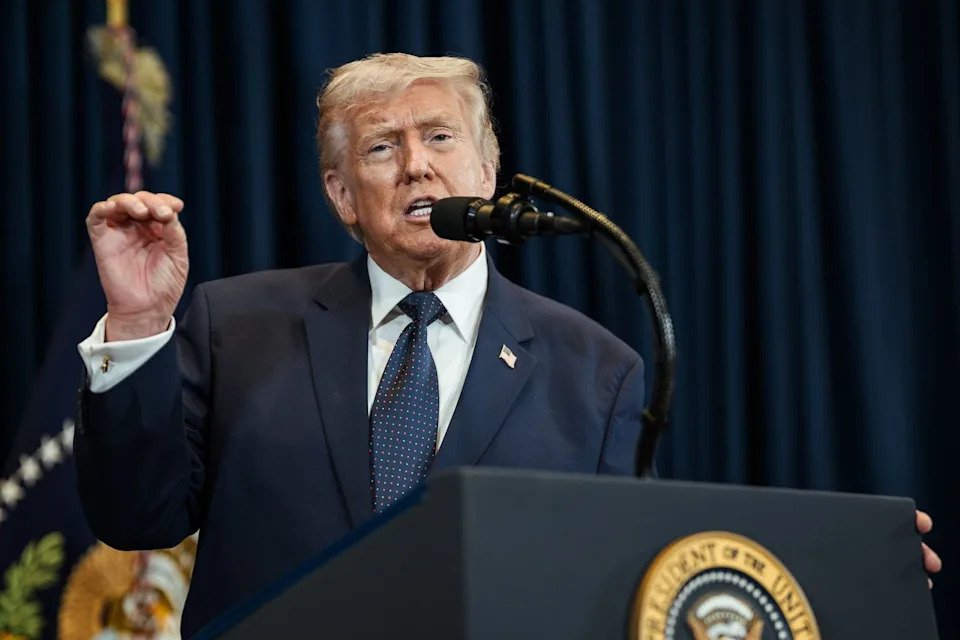
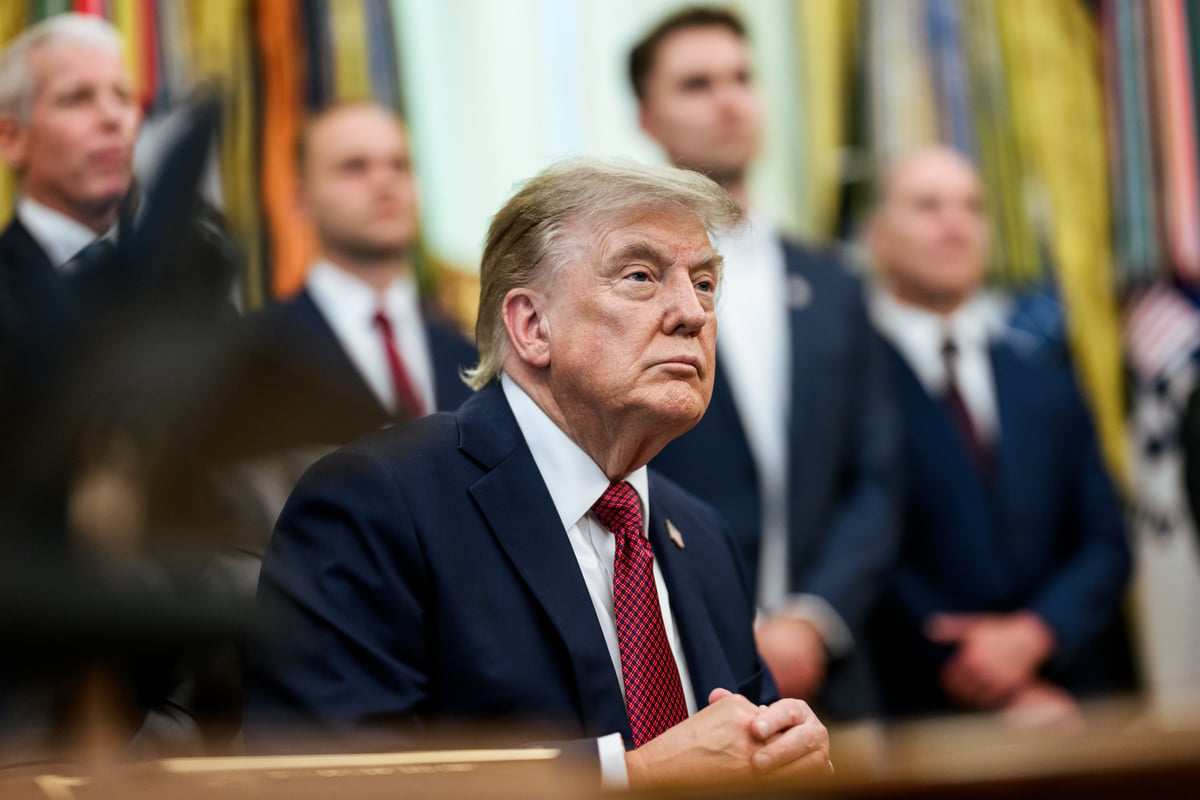
President Trump’s bull market may be operating on borrowed time. Image source: Official White House Photo by Daniel Torok.
But things may not be as ideal for Wall Street as the major stock indexes have made them appear. History suggests the probability of a stock market crash occurring and driving the AI-driven Trump bull market notably lower is climbing by the day.
Next-big-thing technologies historically struggle out of the gate
There’s no argument that AI is the hottest trend on Wall Street since the advent and proliferation of the internet. Empowering software and systems to make autonomous decisions is a $22.5 trillion addressable opportunity through 2031, according to IDC, and it’s the primary catalyst that’s lifted the Trump bull market to new heights.
But history also shows that every next-big-thing technology since (and including) the advent of the internet in the mid-1990s has navigated a bubble-bursting event. These bubbles repeatedly form and burst because investors persistently overestimate the pace of adoption and/or optimization of new technologies.
To be clear, AI doesn’t have an adoption problem. The amount of capital being thrown around by neoclouds and hyperscalers shows that AI has been welcomed with open arms.
However, the businesses deploying AI solutions aren’t particularly close to optimizing them. It took until several years after the dot-com bubble burst for internet-driven companies to maximize this technology to boost their sales and profits, and we’re likely looking at a similar timeline for AI, heightening the odds of a bubble-driven stock market crash.