Anuron Mitra
3 min read
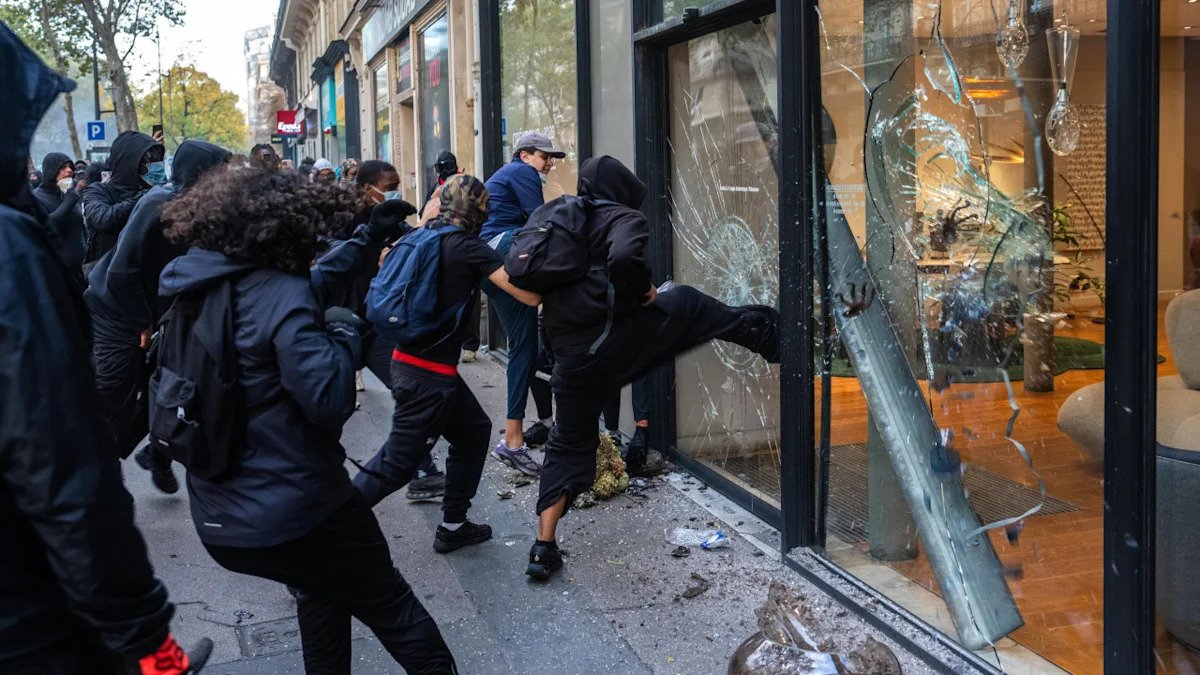
Investing.com — Taiwan, China, and South Korea have announced measures to provide support to financial markets after a brutal week for global stocks in which a rout in the artificial intelligence trade battered sentiment.
The AI trade had already been under pressure coming into the week, weighed down by concerns around massive debt-fueled financing of the AI infrastructure buildout, uncertain returns on the billions being poured into the nascent technology, and the regulatory ramifications of a sweeping Democratic victory in the U.S. midterm elections on the AI industry and the proliferation of massive data centers.
The AI trade had the potential to bounce back this week on the back of two major events – quarterly results from AI darling Nvidia and a record-breaking initial public offering from leading AI frontier lab Anthropic.
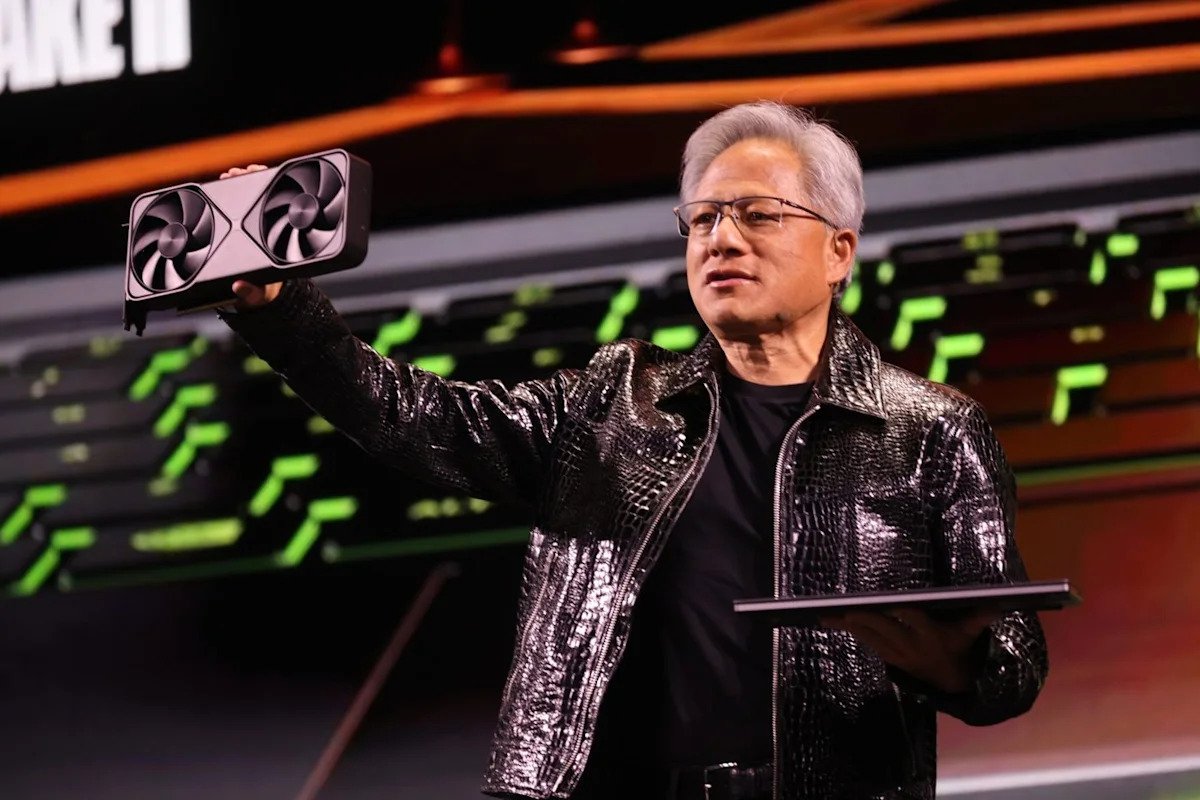
However, an unprecedented governance crisis at Nvidia which resulted in the shock departure of chief executive Jensen Huang overshadowed another blockbuster earnings performance. Moreover, while Anthropic popped in its market debut, the IPO did little to address the worries plaguing the wider AI trade.
The result was Wall Street’s worst weekly performance since April 2025, culminating with the benchmark S&P 500 index sliding into correction territory. The AI boom has also been a tremendous boost to Taiwan and South Korea which house some of the world’s biggest contract chipmakers and semiconductor equipment manufacturers. Taiwan and South Korea’s stock markets have exploded in market value.
Taiwan’s Financial Regulatory Commission on Saturday noted in a statement that stocks had recently “continued to fluctuate sharply” and unveiled five measures to “maintain the order and stability of the securities market.”
The measures include a complete ban on short-selling below the previous trading day’s closing price and an adjustment of the minimum margin to 150% from 130%. The commission’s move comes after Taiwan’s benchmark stock index slumped to its worst weekly performance since August 1990.