Matt DiLallo, The Motley Fool
5 min read
Broadcom (NASDAQ:AVGO) has become one of the biggest winners of the artificial intelligence (AI) infrastructure boom. Demand for its custom AI chips and networking gear is surging as tech giants pour billions of dollars into data centers. Last quarter, its AI semiconductor revenue rocketed 221% to $16.7 billion, and management expects that business to double in fiscal 2027 and again in fiscal 2028.
The stock, however, already prices in a lot of that success. While it currently trades about 30% below its 52-week high, it’s still up nearly 250% over the past three years. Here’s a look at what a $1,000 investment in Broadcom could be worth by 2035.
Missed AI’s “Act 1”? Act 2 Could Be 16x Bigger. Most investors think they missed the AI boat because they didn’t buy Nvidia in 2005. But according to our analysts, we’re only at the end of “Act 1″—the R&D phase. “Act 2” is the global rollout. Continue »
Image source: Getty Images.
Broadcom’s AI growth runway is enormous
Broadcom’s fiscal 2026 third quarter was its best yet. Total revenue rose 86% to $29.6 billion, and AI semiconductor revenue climbed 221% to $16.7 billion. For the fourth quarter, the company guided to $21.7 billion in AI revenue, up 236%. Management has also laid out a path to roughly $58 billion of AI semiconductor revenue in fiscal 2026, $115 billion in fiscal 2027, and $230 billion in fiscal 2028. Custom accelerators for customers such as Anthropic and OpenAI drive that growth, along with the Ethernet switching and optical connections that link those chips together.
Broadcom isn’t just an AI chip story. Its infrastructure software business, anchored by VMware, recorded nearly $8.8 billion in revenue last quarter, up 29%. That high-margin business generates growing recurring revenue for the company.
What could derail Broadcom’s growth?
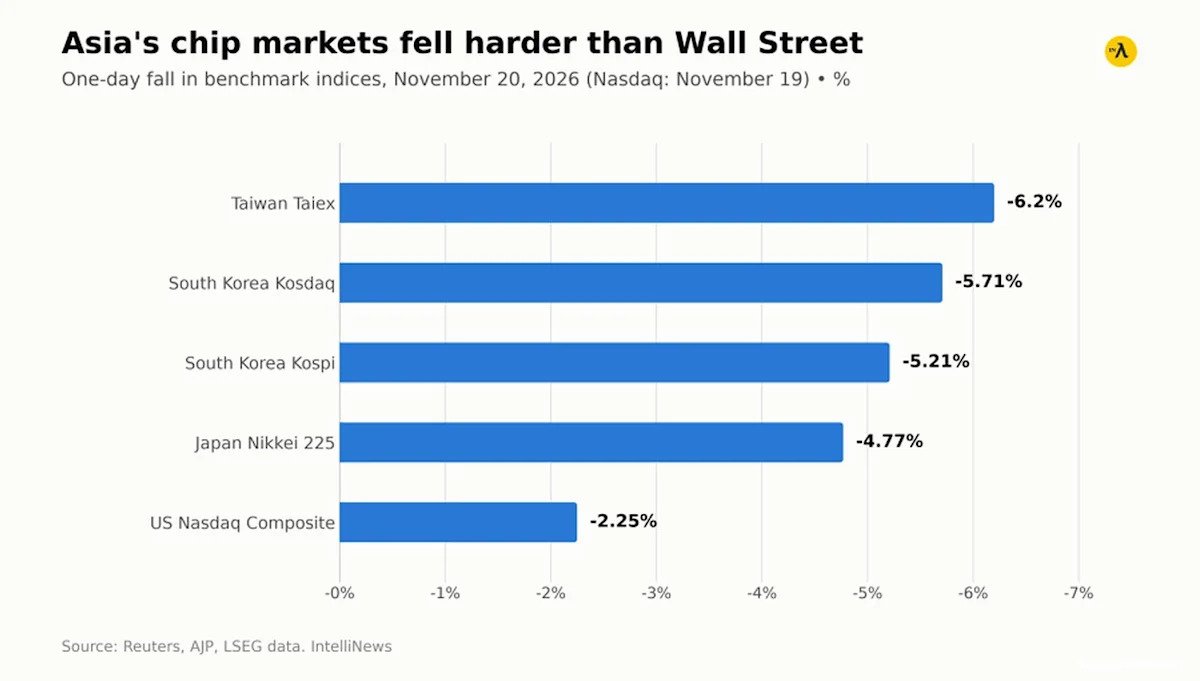
Investor expectations are as big as the AI opportunity. So are the risks. Broadcom depends on a small group of AI infrastructure customers, so a spending pullback by even one could hurt. AI spending could also cool once the current build-out peaks, and some customers may struggle to finance or monetize their data centers. Worries about AI financing and customer concentration have already driven a sell-off in chip stocks.
Margins are another watch item. As lower-margin custom accelerators account for a larger share of sales, margins could shrink. Competition from rivals and in-house chip designs also adds margin risk.
The question isn’t whether AI infrastructure spending will grow over time. It’s whether Broadcom can deliver the profits that investors already assume.