
Chris Lange
5 min read
Quick Read
-
JPMorgan beats Bank of America for retirement portfolios, as its capital cushion and stronger record make its dividend more dependable despite a pricier valuation.
-
Bank of America’s 10.9% CET1 ratio sits just 90 basis points above its 10% regulatory minimum, while JPMorgan’s reaches 13.9%.
-
Bank of America is the cheaper stock, at 1.194 times book versus 2.347, and yields 3% against JPMorgan’s 2%.
-
It sounds nuts, but SoFi is giving new Active Invest users up to $1,000 in stock for a limited time, and all it takes is a $50 deposit to get started. See for yourself (Sponsor)
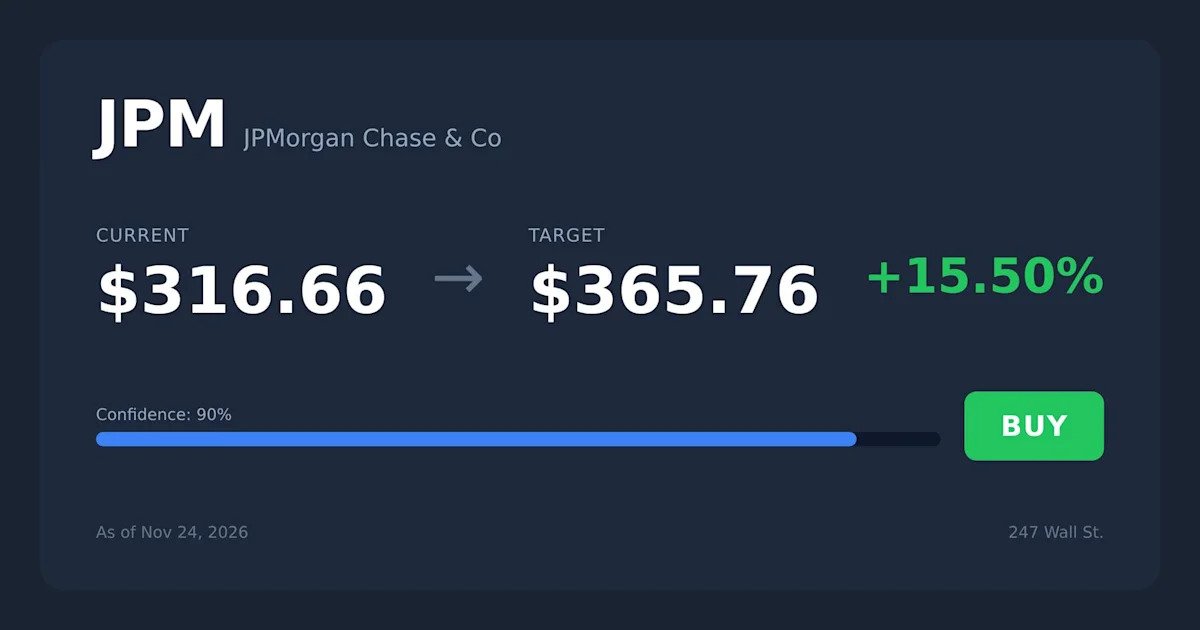
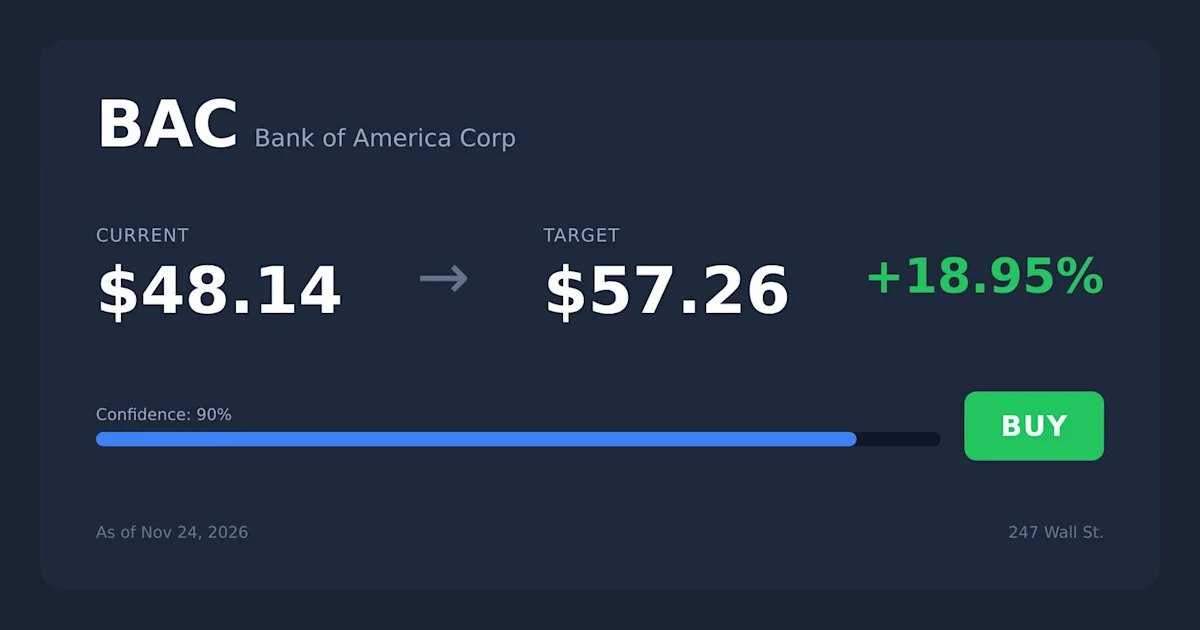
JPMorgan Chase (NYSE:JPM) or Bank of America (NYSE:BAC): Which bank stock better fits a retirement-focused portfolio right now? Both just had a rough week. JPMorgan fell 6.12% over the past week to $317.50, and Bank of America slipped 3.99% to $48.08. The pullback makes the choice clearer: one stock is cheaper, and the other is tougher.

Valuation: Bank of America Wins on Price
Bank of America trades at 11 times trailing earnings and 9 times forward earnings. JPMorgan trades at 13 and 12. Price-to-book shows an even bigger gap. That ratio compares a bank’s share price with its accounting net worth per share. Bank of America sits at 1.194 times book, while JPMorgan sits at 2.347 times.
The cheaper stock also pays more today. Bank of America’s forward dividend of $1.28 yields about 2.66%. JPMorgan’s $6.60 yields roughly 2.08%. Earnings cover both payouts well: JPMorgan pays out about 26% of trailing earnings and Bank of America about 28%. Bank of America also gave the bigger recent raise, lifting its quarterly dividend from $0.28 to $0.32, an increase of roughly 14%. JPMorgan’s raise to $1.65 was about 10%.
——
SoFi Active Invest is offering a limited-time promotion. Open an account, fund it with $50 or more, and you could receive up to $1,000 in complimentary stock for Active Invest accounts. See for yourself by clicking here now. (Sponsor)
——
Risk and Capital Strength: JPMorgan Pulls Far Ahead
A retirement holding has to get through a downturn intact. The key gauge is the CET1 ratio, which measures a bank’s highest-quality capital against its risk-weighted assets. JPMorgan ended the third quarter at 13.9%. Its chief executive estimated “probably $30 billion or something of excess capital”. Bank of America finished at 10.9%, just 90 basis points above its 10% regulatory minimum.
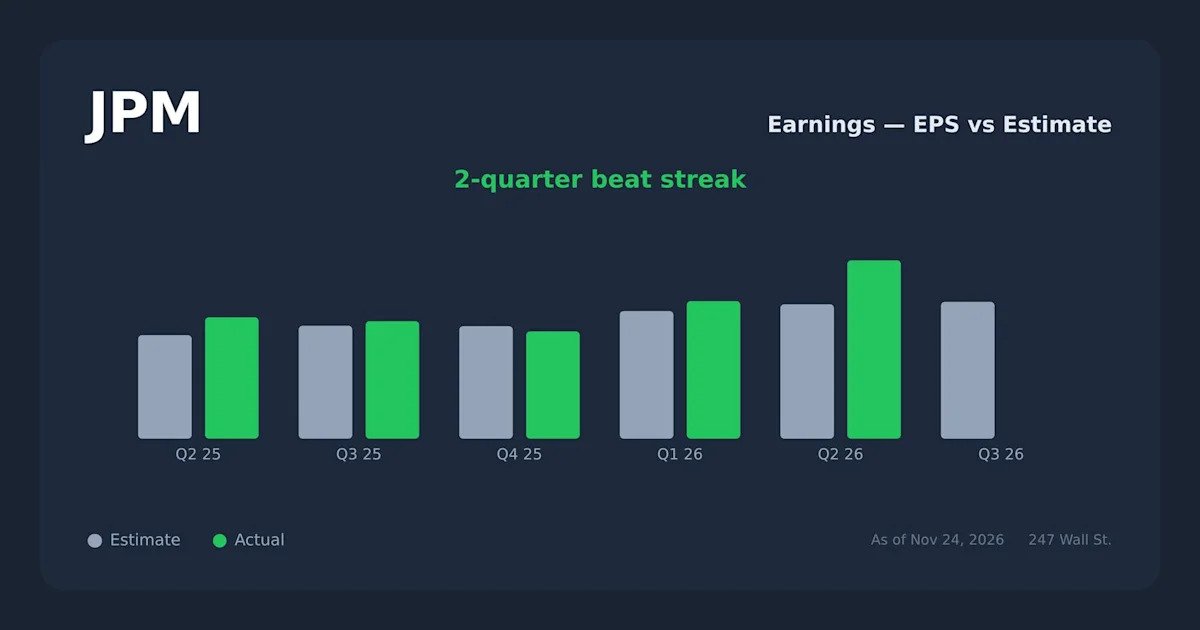
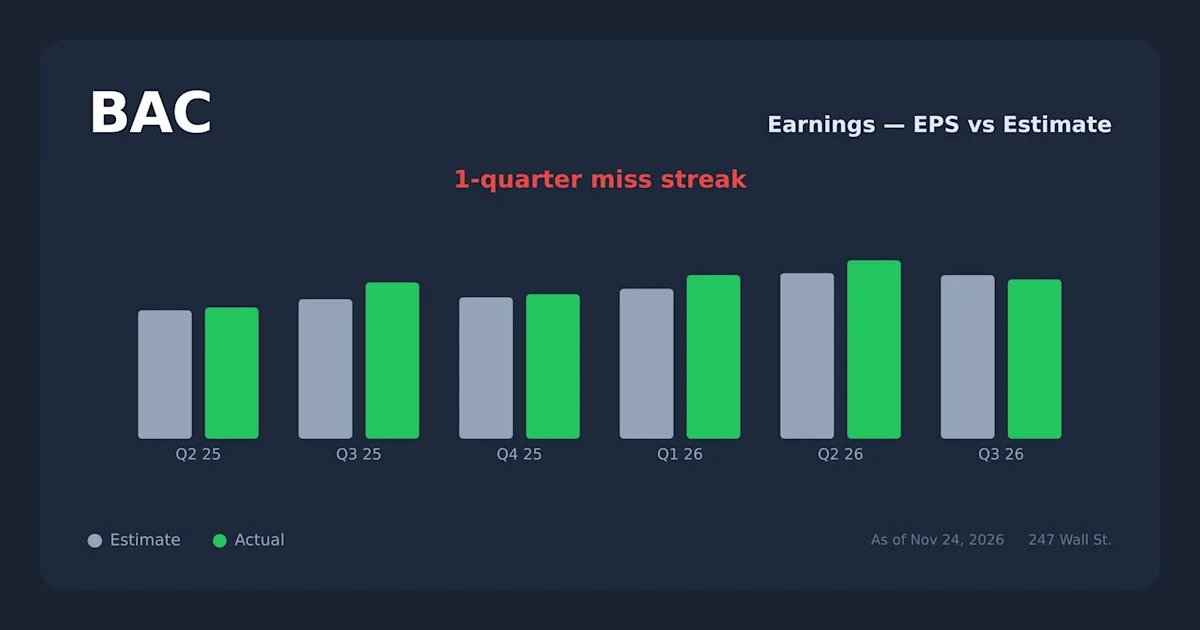
Profitability supports that cushion. JPMorgan earned a 20% return on tangible common equity last quarter, and its trailing return on equity is 18%. Bank of America’s trailing return on equity is 10.7%. JPMorgan’s beta of 1.02 means it moves almost exactly with the market. Bank of America’s 1.192 means bigger swings.