Harsh Chauhan, The Motley Fool
6 min read
This has been a year of two halves for Micron Technology (NASDAQ:MU) investors. Shares of the memory specialist surged by an incredible 266% in the first half of 2026, but have pulled back nearly 39% since the beginning of July.
The past couple of months have been especially difficult for Micron stock investors. A rate hike by the Federal Reserve in September, concerns about a potential slowdown in the memory market next year amid rising competition from China, and hotter-than-expected inflation have all contributed to weaker investor confidence in Micron stock.
Missed Nvidia in 2009? This Rare Signal Is Flashing Again. In 2009, a “Double Down” signal flashed for a little-known chipmaker called Nvidia. For the first time in years, that same “Total Conviction” signal is flashing for a company 1/100th the size of Nvidia. Continue »
However, I think that the recent slide in this semiconductor stock is a buying opportunity for savvy investors, as Micron could go on a bull run in 2027. Let’s look at the reasons why.
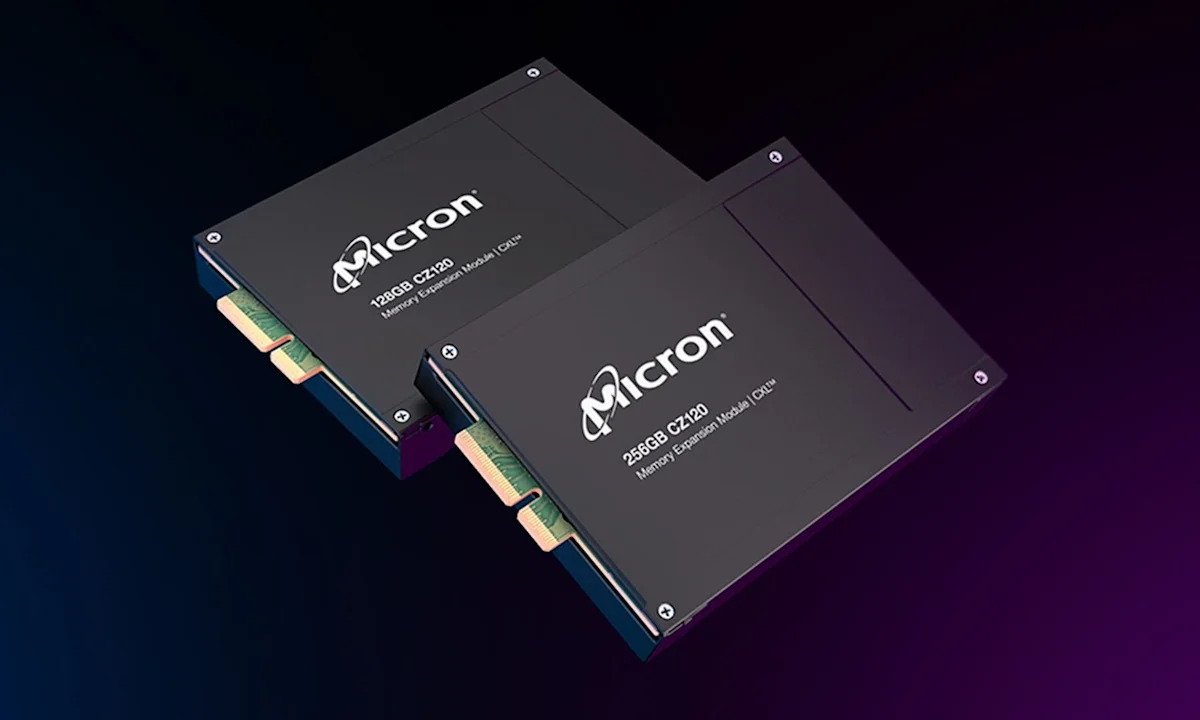
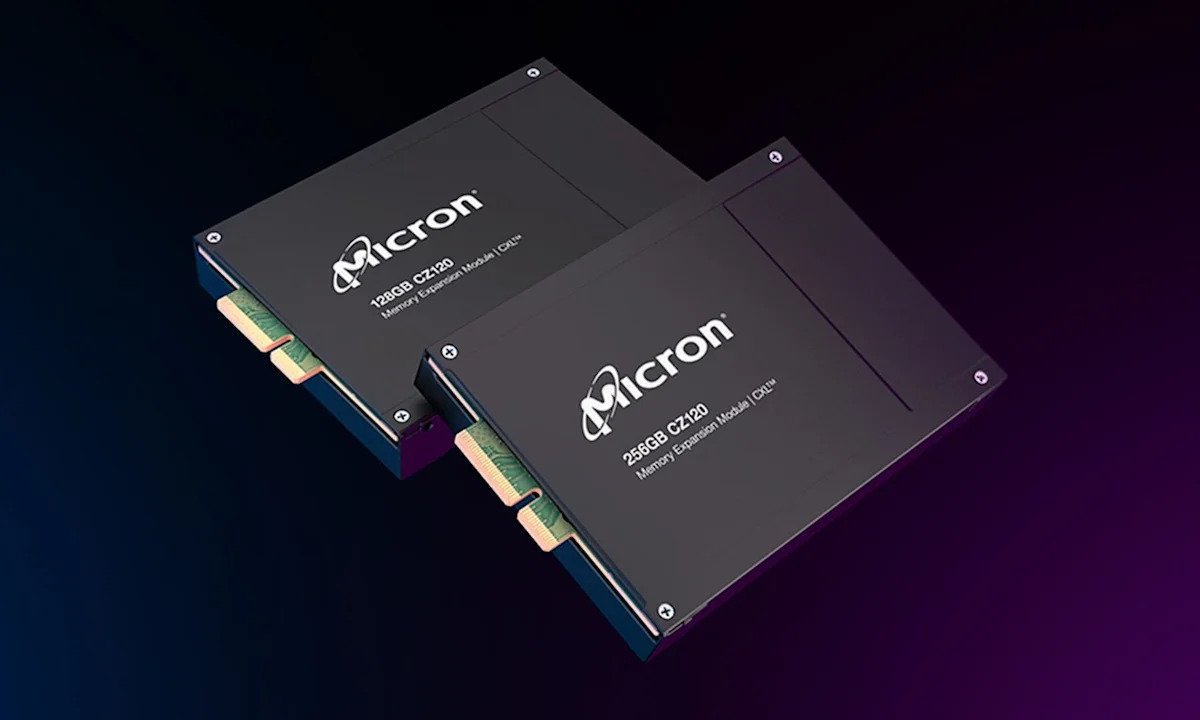
Image source: Micron.
Strong high-bandwidth memory (HBM) demand will be a tailwind for Micron in 2027
The memory market has witnessed exponential growth in recent years, driven by the booming demand for high-bandwidth memory (HBM), used in artificial intelligence (AI) accelerator chips to move enormous data sets quickly. Graphics processing units (GPUs), custom AI processors, and even server central processing units (CPUs) use HBM to seamlessly run AI workloads in data centers.
HBM plays a critical role in AI data centers, as it is manufactured by stacking multiple memory chiplets vertically. HBM’s design helps quickly feed large amounts of data to AI accelerator chips so that they don’t sit idle and waste energy. So, HBM solves a critical bottleneck within the AI infrastructure space.
This explains why HBM demand is poised to remain robust in 2027. Market research firm TrendForce predicts that the average selling price (ASP) of HBM will jump 121% next year, driven by healthy demand and supply shortages. Meanwhile, Taiwan-based newspaper DigiTimes estimates that the price per gigabit of the latest-generation HBM4 could jump from $2 in the second half of 2026 to $4-$5 next year.
As a result, memory manufacturers are likely to boost HBM production to capitalize on higher prices, ensuring the shortage of conventional dynamic random-access memory (DRAM) persists. Micron is a key player in the DRAM and HBM markets. It controlled 18% of the HBM market in Q2, according to Counterpoint Research, while its share of DRAM was 21% last quarter.