One Gauge Isn’t Telling the Whole Story
If your stocks feel far jumpier than the market lately, you’re not imagining it.
This past Friday, Nov. 20, Wall Street’s best-known fear gauge, the VIX, closed at 35.89. That’s high, but it’s nowhere near a record. A lesser-known gauge that tracks the stocks inside the S&P 500 (SNPINDEX:^GSPC) told a different story. It closed at 57.91, well above its long-run average of about 32.
Missed AI’s “Act 1”? Act 2 Could Be 16x Bigger. Most investors think they missed the AI boat because they didn’t buy Nvidia in 2005. But according to our analysts, we’re only at the end of “Act 1″—the R&D phase. “Act 2” is the global rollout. Continue »
On this month’s Epic Opportunities podcast, Team Hidden Gems’ Tyler Crowe called that gap “off the charts.” Then he explained why it’s happening.

Image source: Getty Images.
Two Stories From the Same Market
The VIX tracks expected swings in the S&P 500 as a whole. The second gauge, the CBOE S&P 500 Constituent Volatility Index, or VIXEQ, does the same for the individual stocks in the index.
Single stocks always swing more than the index, so the VIXEQ normally sits above the VIX. But stocks are also moving out of step with each other far more than usual. When one soars and another sinks, those moves cancel out. So the index looks calmer than the stocks inside it.
You’ve probably seen this in your own portfolio. Tyler pointed out that stocks are jumping 10% to 15% on a single earnings report. And on Monday, Nvidia (NASDAQ:NVDA), a company worth trillions of dollars, “moved 30%” in a single day, as Tyler put it. “These things don’t happen a lot,” he said.
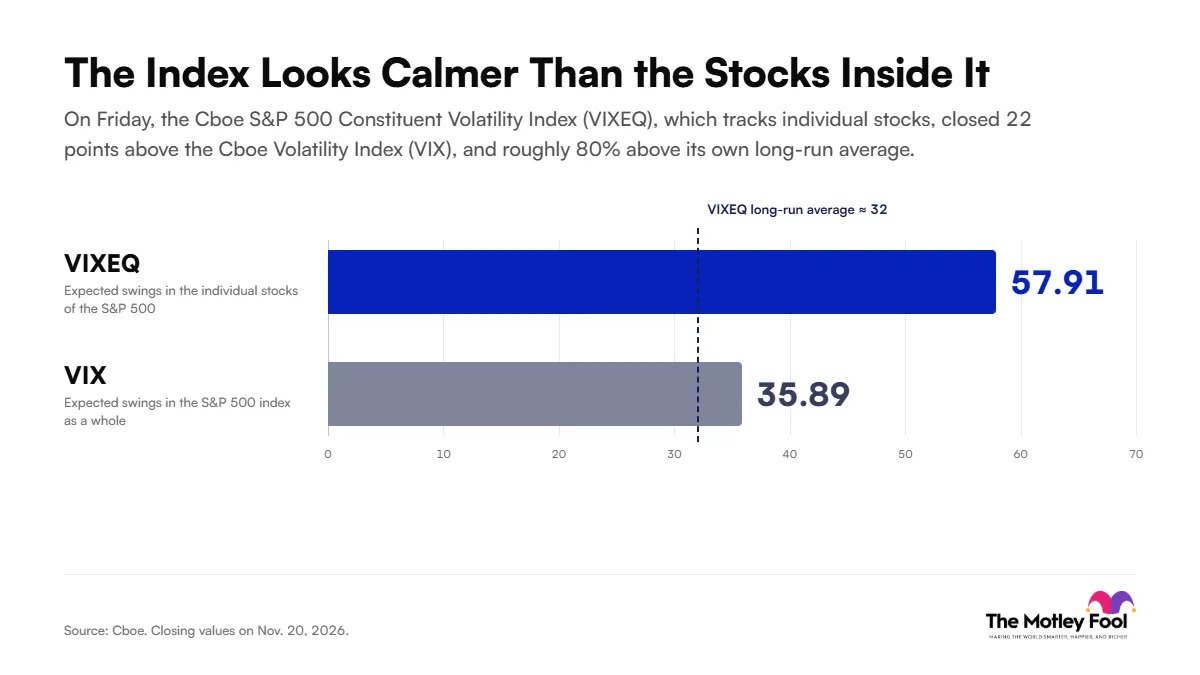
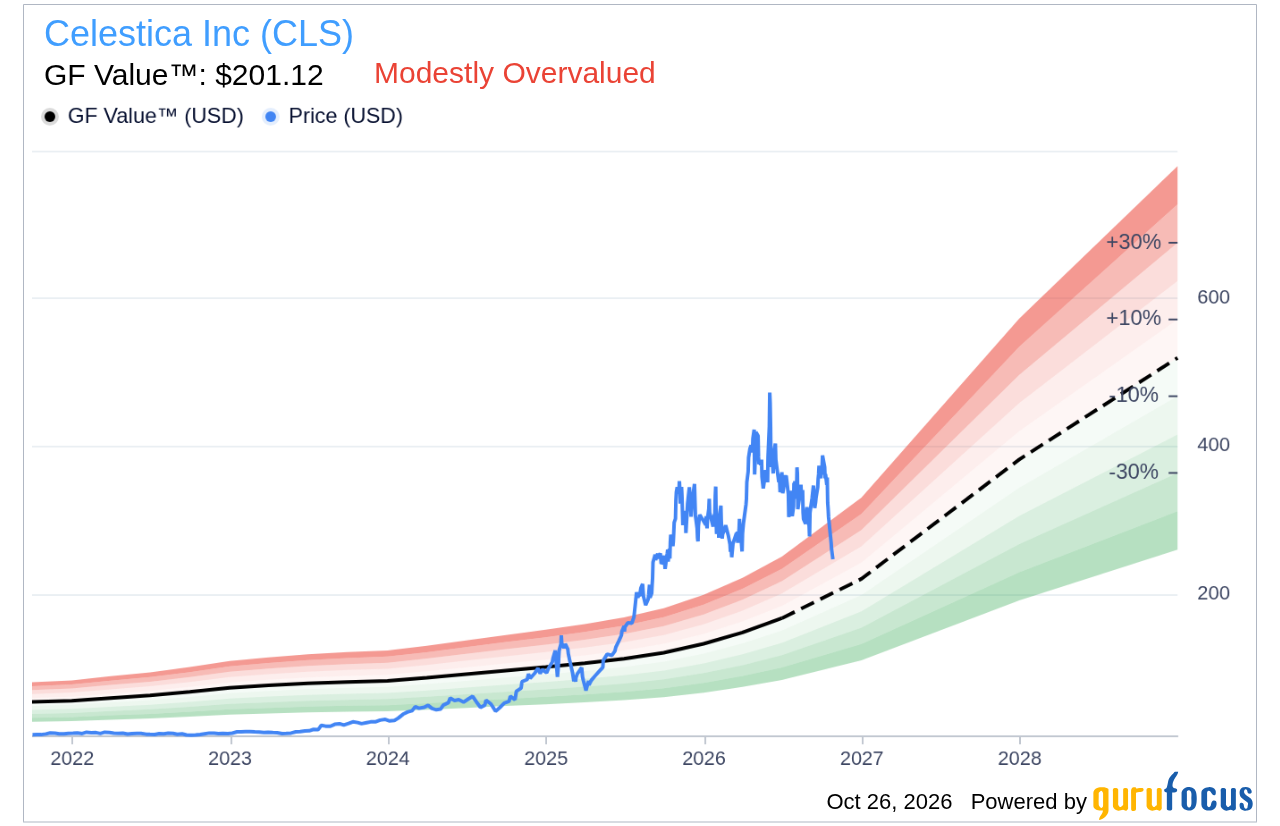
Image source: The Motley Fool.
Three Reasons Stocks Are Swinging So Much
Tyler pointed to three forces that, together, make big moves in individual stocks more likely.
-
A boom in options trading. Tyler estimated that investors now trade 70 million to 90 million options contracts a day. Options let traders make big, leveraged bets on a stock’s next move, and that activity can push share prices around.
-
Leveraged single-stock ETFs. These funds aim to double or triple the daily move of one stock. Tyler said they now account for 8% to 9% of average daily trading volume. That amplifies whatever a stock is already doing.
-
More passive investing. A growing share of money sits in index funds, which buy and hold regardless of price. That’s great for long-term investors. But it means fewer shares change hands on any given day. When a big trade hits a smaller pool of shares, the price moves more.