Artificial intelligence (AI) stocks have taken a beating in November. The tech-heavy Nasdaq-100 index is down 15% this month on fears that AI spending has gotten out of hand. But the world’s largest company seems immune to the problem.
Smartphone maker Apple (NASDAQ:AAPL) is bucking the trend. Its shares are virtually unchanged for the month, and in 2026 it’s posting generous gains, up more than 25%, while many of its AI peers slump.
Missed Nvidia in 2009? This Rare Signal Is Flashing Again. In 2009, a “Double Down” signal flashed for a little-known chipmaker called Nvidia. For the first time in years, that same “Total Conviction” signal is flashing for a company 1/100th the size of Nvidia. Continue »
And there’s a good reason why. As other tech companies spend heavily on AI infrastructure, Apple is focused on bringing AI capabilities directly to its 2.5 billion devices currently in service.
That strategy is looking pretty smart right now.
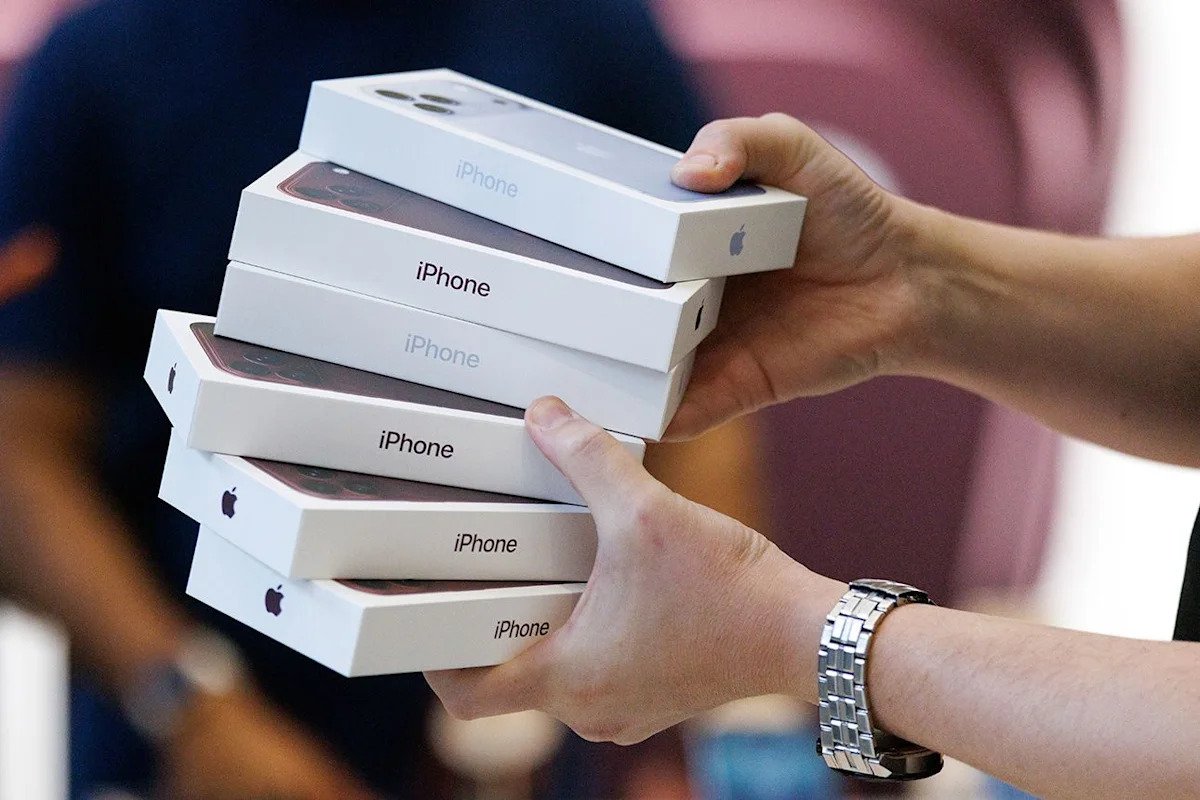
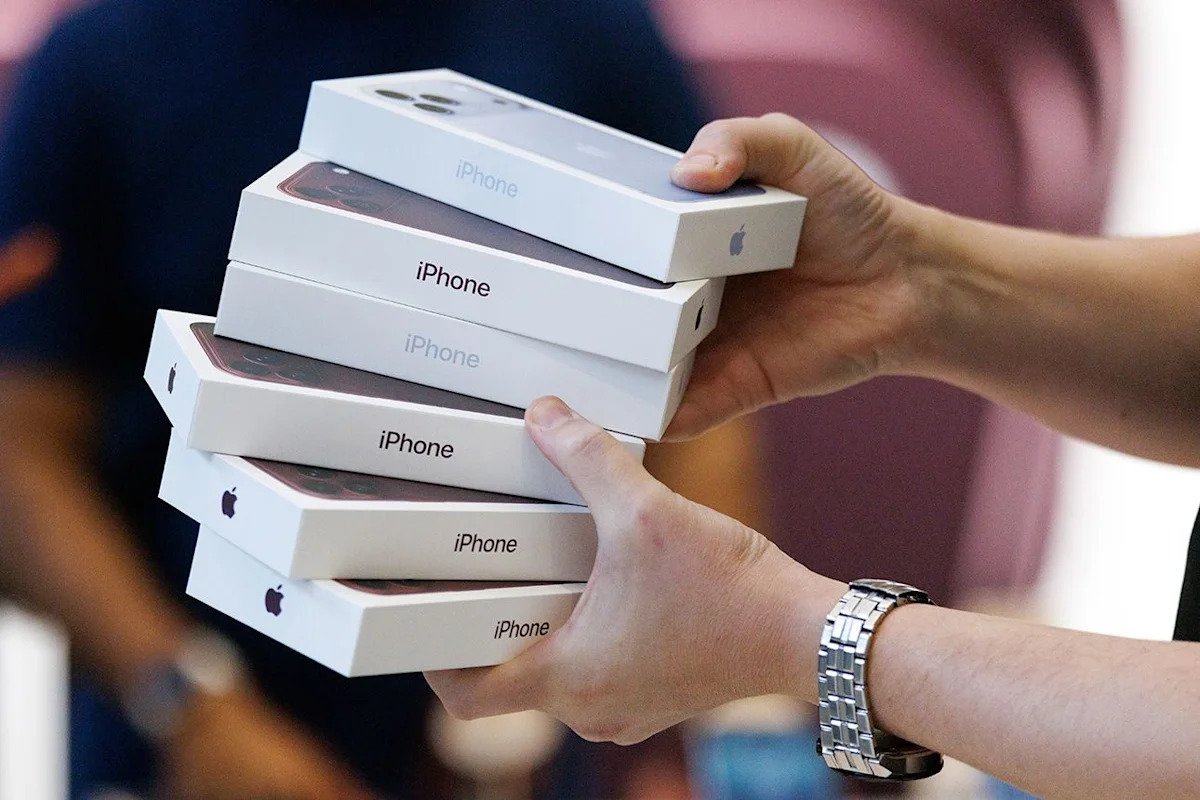
Image source: Getty Images.
Apple isn’t playing the same AI game
Microsoft, Alphabet, and Amazon are investing heavily in enormous cloud computing networks. Meta Platforms is working on “personal superintelligence,” and Tesla is focused on robotics and Cybercabs.
Apple’s strategy, meanwhile, is focused on improving the experience for people who already own its smartphones, personal computers, tablets, and smart-home devices. Part of that strategy is integrating its devices with Siri AI, its improved personal assistant that launched this year. “Siri AI marks a new chapter in AI at Apple. It is a completely reimagined assistant that is powerful, personal, private, and deeply relevant to our users’ daily lives,” CEO John Ternus said.
That’s why it doesn’t need to dominate the AI infrastructure business to benefit from artificial intelligence. It needs to give customers compelling reasons to buy another iPhone, Mac, or iPad.
Financial discipline has its advantages
Apple’s financial results suggest that its core business remains exceptionally healthy.
It generated approximately $136 billion in free cash flow during fiscal 2026 (ended Sept. 26), up nearly 38% from the previous year. That’s money remaining after capital expenditures, giving Apple tremendous flexibility to return cash to shareholders, invest in new products, and strengthen its business. Meanwhile, revenue jumped 15% to $478.8 billion for the fiscal year.
Apple’s balance sheet has allowed its stock to hold steady even as rising memory chip prices squeeze hardware margins. Management expects gross margins of 45% to 46% in the first quarter of fiscal 2027, down from 47.9% in Q4 2026. But its services business, which carries gross margins of around 76%, provides an important financial cushion.