David Moadel
6 min read
Quick Read
-
NVIDIA (NVDA) stock plunged 31% in a month as CEO Jensen Huang’s brief resignation triggered S&P’s CreditWatch warning, despite 103% revenue growth.
-
Dan Ives raised his target to $250, arguing chip demand outstrips supply 10-to-1 even without China, though export limits threaten the rebound.
-
AMD (AMD) fell 24% and Broadcom (AVGO) just 9%, while an S&P downgrade or governance probe outcome will decide NVIDIA’s path.
-
Read: Building a portfolio and living off one are two completely different skills, and almost nobody teaches the second. This problem is what The Definitive Guide to Retirement Income helps with, and it is free today. Read more here.
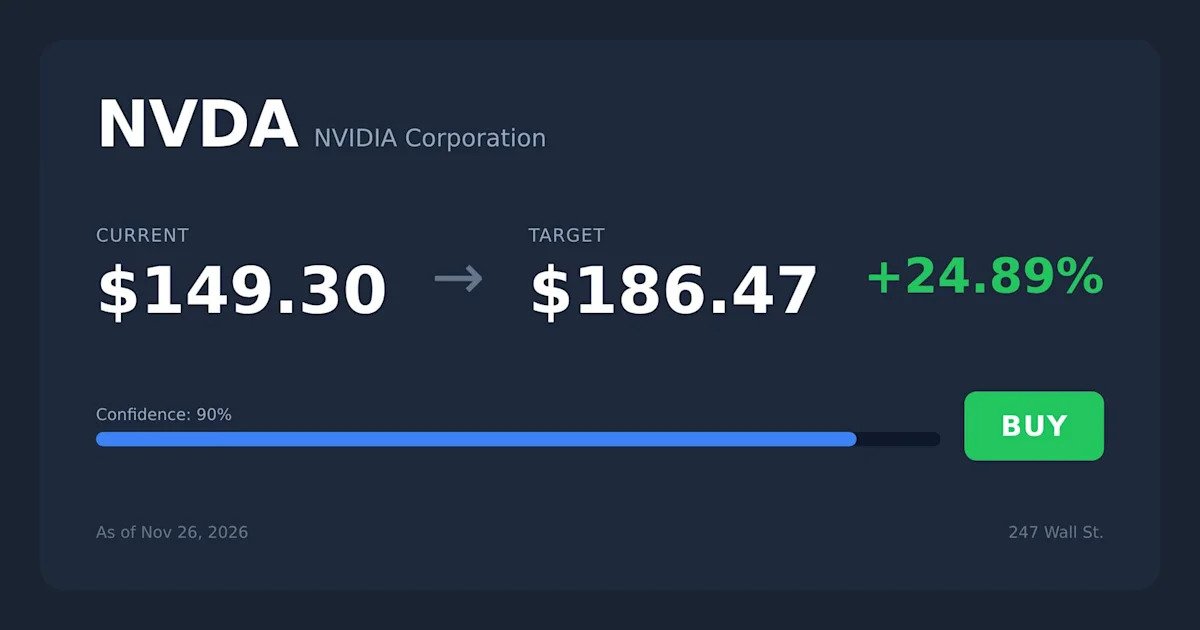
NVIDIA (NASDAQ:NVDA) has spent the past month turning from the AI trade’s steadiest leader into its most controversial governance story. As of Wednesday’s close, NVIDIA stock is down 31% over the past month to $149.30. Back on October 26, the stock had closed at $216.
The slide continued through NVIDIA’s November 17 earnings release. NVIDIA reported Q3 FY2027 revenue of $115.84 billion, up 103.2% year over year. On the earnings call, NVIDIA’s board chair said Jensen Huang had voluntarily resigned as CEO over personal behavior that didn’t fit the company’s code of conduct. Huang was reinstated on November 23.
What’s Pulling NVIDIA Toward $125
S&P Global Ratings placed NVIDIA’s AA rating on CreditWatch with negative implications on November 25, citing governance concerns tied to Huang’s exit and return. Over that 90-day review, S&P Global Ratings could cut the rating by one notch. Moody’s had already lowered NVIDIA’s outlook to stable from positive.
NVIDIA’s five-year credit default swap spreads, which measure the cost of insuring against default, rose as much as 6 basis points the same day, Bloomberg reported. Per Bloomberg, its bonds make up $32.5 billion of the U.S. high-grade corporate bond index, so a downgrade could ripple well beyond the stock.
——
Now Available: The Definitive Guide to Retirement Income
Many successful investors eventually reach the same moment. The saving is done, the portfolio is built, and the question quietly changes from how much can I grow this to how much can I take out? Get that second question wrong and decades of good investing can come apart in a handful of years.
That is exactly what The Definitive Guide to Retirement Income helps answer. It covers what your retirement could actually cost, which income sources are worth using, and the withdrawal math that decides whether the money lasts. It is free today from Fisher Investments. Read More Here ›