Marc Guberti, The Motley Fool
5 min read
Most fintech stocks have been sliding during the past month as investors weigh macroeconomic concerns, but this short-term dip is creating a long-term buying opportunity for patient investors. These three fintech companies continue to have strengthening fundamentals despite falling share prices.
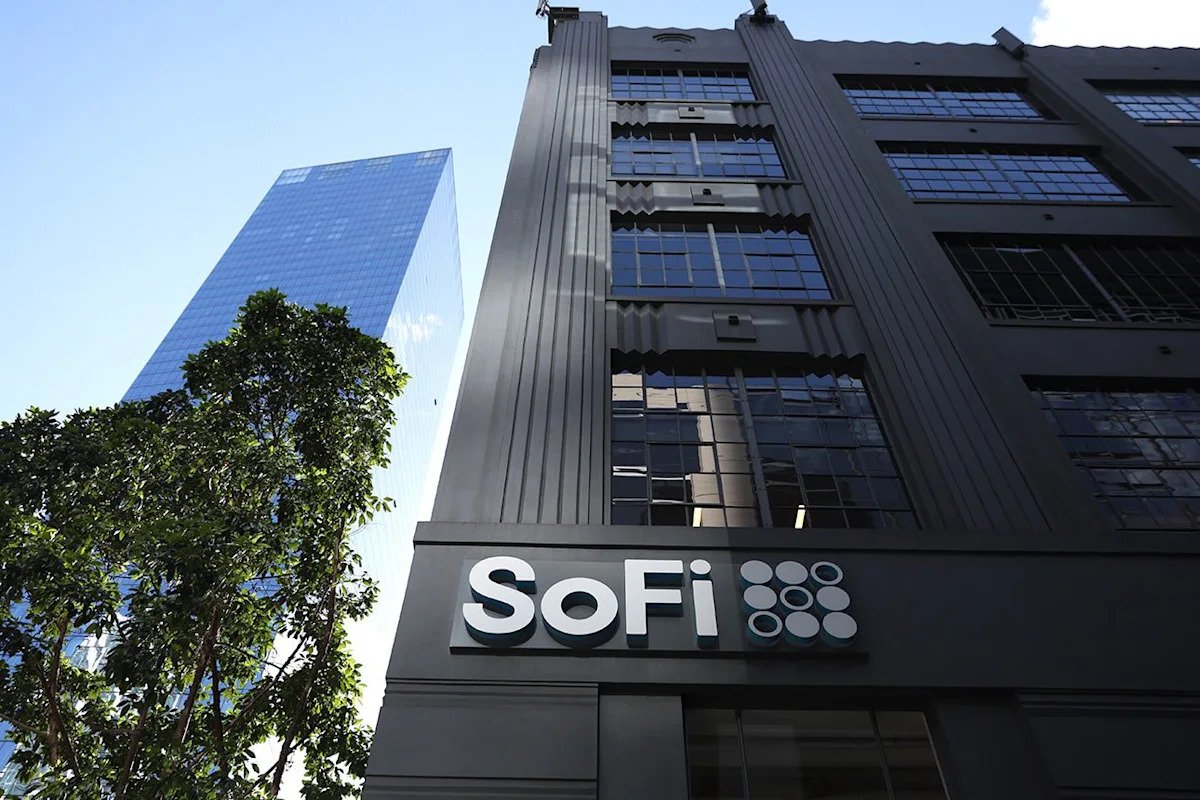
Image source: Getty Images.
Missed AI’s “Act 1”? Act 2 Could Be 16x Bigger. Most investors think they missed the AI boat because they didn’t buy Nvidia in 2005. But according to our analysts, we’re only at the end of “Act 1″—the R&D phase. “Act 2” is the global rollout. Continue »
1. Robinhood
Robinhood‘s (NASDAQ:HOOD) revenue growth has moderated in recent quarters, but there is an important explanation. Let’s start with the surface-level numbers. Total revenue increased by 12% year over year to reach $1.42 billion in the third quarter. That doesn’t look good compared to Robinhood’s 100% year-over-year revenue growth in Q3 2025, but that’s where a key difference comes into play.
The ongoing crypto crash led Robinhood to report a 55% year-over-year decline in cryptocurrency revenue. The rest of the business is growing at an exceptional rate. Equities revenue increased by 41% year over year, while options trading revenue rose by 31% year over year.
Robinhood’s crown jewel has become event contracts revenue. That came to $173 million, up more than sixfold year over year. It also represented more than 10% of Robinhood’s total revenue. High growth from prediction markets, solid growth from other segments, and the waning importance of cryptocurrency revenue in 2027 suggest reaccelerating growth rates.
2. SoFi
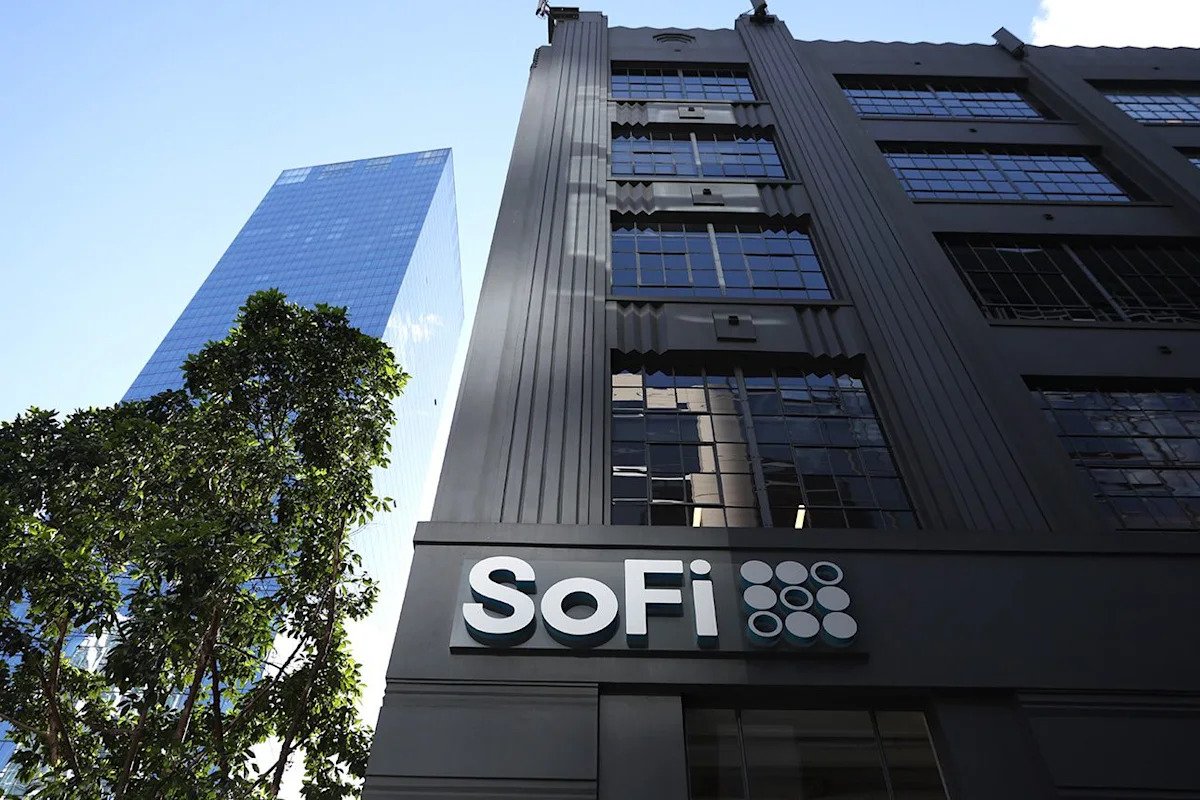
SoFi (NASDAQ:SOFI) is one of the largest online banks, and Chief Executive Officer Anthony Noto has been clear about his goal of turning it into a Top-10 bank, including in-person offices. SoFi has more room to boost its margins in the long run, since it does not have to maintain thousands of physical branches like Citigroup (NYSE:C) or Wells Fargo (NYSE:WFC).
The growth stock has had a few false starts over the years, and while 2025 looked as if it was the beginning of something special, SoFi has had a 50% year-to-date decline. Still, the financial company is gaining market share, creating an asymmetric risk opportunity.
SoFi continues to do a lot right, highlighted by its 44% year-over-year revenue growth in the third quarter. The company also reached a record 17.1 million customers, and its net income surged 73% year over year. This is a healthy business.
Anthony Noto highlighted how leadership transformed SoFi from a single-product company into an all-in-one financial app with eight business segments generating more than $100 million in annualized revenue.