Prosper Junior Bakiny, The Motley Fool
5 min read
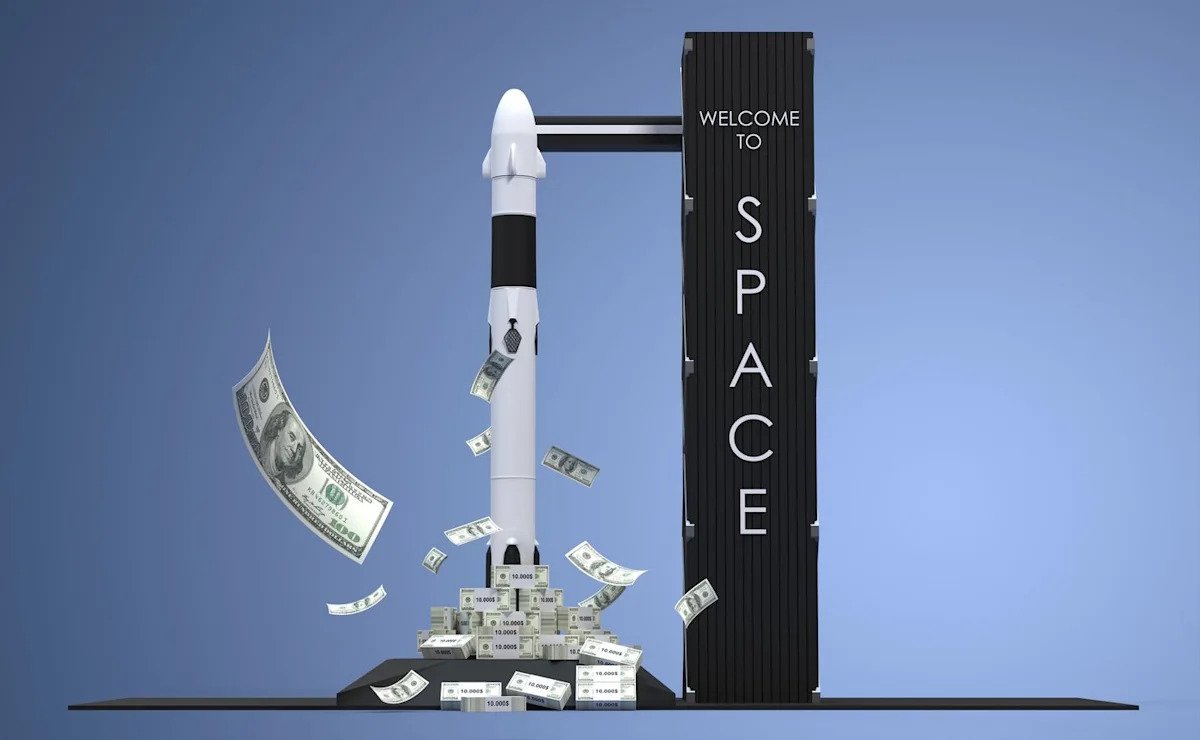
Space Exploration Technologies (NASDAQ:SPCX) pulled off one of the biggest IPOs in history this year, partly because of the company’s aggressive vision and goals, including making space tourism more accessible and building a human colony on Mars. It’s hard to see how that’s going to be possible anytime soon, but provided SpaceX can achieve some of its ambitions, the company might deliver life-changing returns over the long run. And recently, SpaceX got one step closer to meeting one of its objectives. Here’s what investors need to know.
Image source: Getty Images.
Missed AI’s “Act 1”? Act 2 Could Be 16x Bigger. Most investors think they missed the AI boat because they didn’t buy Nvidia in 2005. But according to our analysts, we’re only at the end of “Act 1″—the R&D phase. “Act 2” is the global rollout. Continue »
A first in U.S. history
Much of the optimism surrounding SpaceX’s future stems from its potential in the artificial intelligence (AI) market. SpaceX argued that it could tap into a $26.5 trillion AI opportunity. That number sounds unrealistic, but the company’s recent financial results indicate that its AI business is booming. In the third quarter, SpaceX’s revenue increased by 161% year over year to $14.6 billion. The company’s Super Intelligence segment posted $7.6 billion in revenue, up 830% compared to the year-ago period.
It accounted for about 52% of SpaceX’s top line. Management pointed out that there is soaring demand for compute capacity. And while SpaceX plans to bring more power online, the Earth-bound AI build-out faces various limitations, including limited electricity availability, significant cooling and water requirements, and competition for suitable data center sites. That’s why SpaceX wants to send data centers into space, and recently the rocket company received an important regulatory nod in that direction.
The U.S. Federal Communications Commission authorized SpaceX to launch up to one million sun-powered orbital data center satellites. It was the first authorization of its kind in U.S. history, and a significant milestone for SpaceX.
Pump the brakes
SpaceX’s regulatory milestone is great news for the company and its shareholders, especially since there was some opposition to this authorization coming from various parties, including Amazon (NASDAQ:AMZN), among others. These detractors argued that SpaceX’s plan could exacerbate orbital debris and congestion, thereby raising the risk of satellite collision. But SpaceX now has its authorization in its back pocket. However, that was just step one.