Marc Guberti, The Motley Fool
5 min read
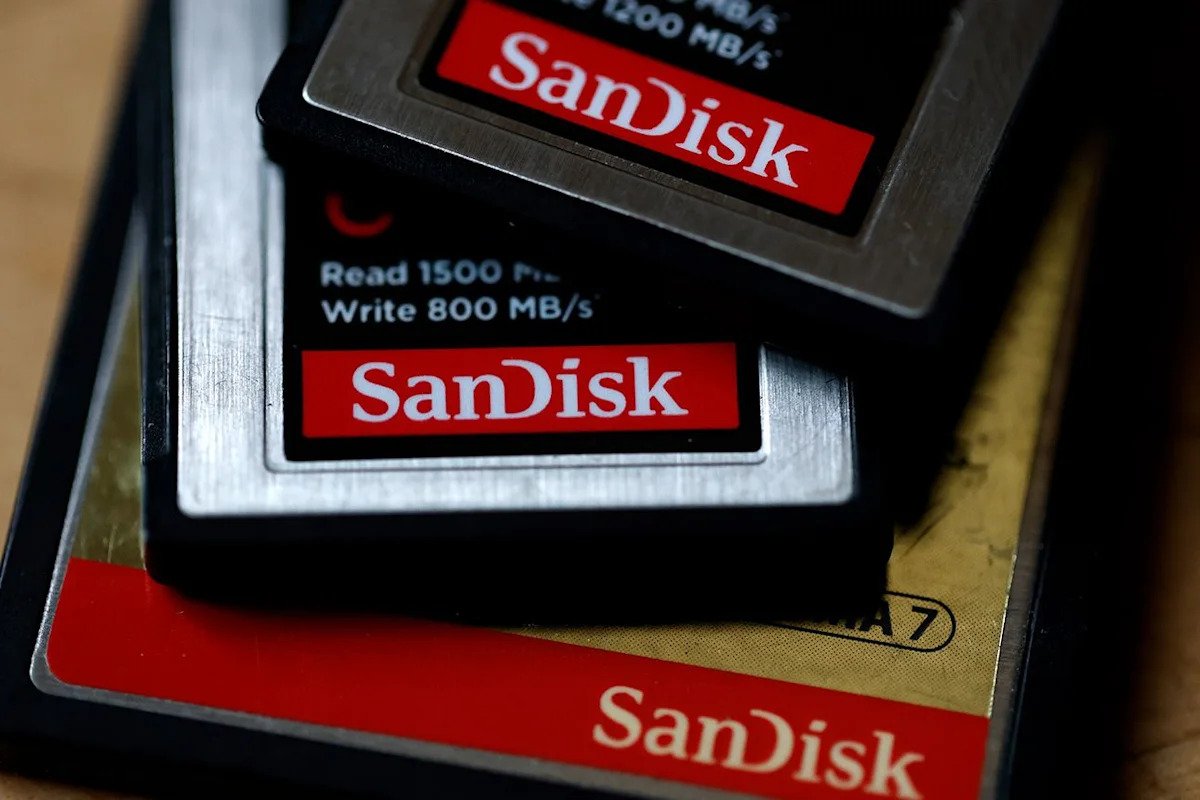
Sandisk (NASDAQ:SNDK) completed its 8-for-1 stock split after the market close on Nov. 19. Thanks to that split, the stock now trades below $100 per share. That doesn’t make it a better deal than it was just a few days ago, but Sandisk’s fundamentals still make it look attractive.
The stock split helps with volume
A stock split is just taking the same pie — that is, the company — and cutting it into smaller pieces. It’s the same pie. A disgusting pie will still taste disgusting no matter how much you slice it up, while a delicious pie will retain its taste.
Missed AI’s “Act 1”? Act 2 Could Be 16x Bigger. Most investors think they missed the AI boat because they didn’t buy Nvidia in 2005. But according to our analysts, we’re only at the end of “Act 1″—the R&D phase. “Act 2” is the global rollout. Continue »
So Sandisk shares will retain the same valuation relative to the business that they had before, but there is one key factor in splits that will boost their volatility. A lower stock price helps with volume and makes options trading more accessible.
More call and put options can make Sandisk’s stock price more volatile by increasing volume. Options contracts are traded in 100-share batches, so by lowering the share price, the split makes it feasible for many more investors to take part in that type of trading. That’s true for any stock split, and it’s worth noting. However, Sandisk’s fundamentals are far more important.
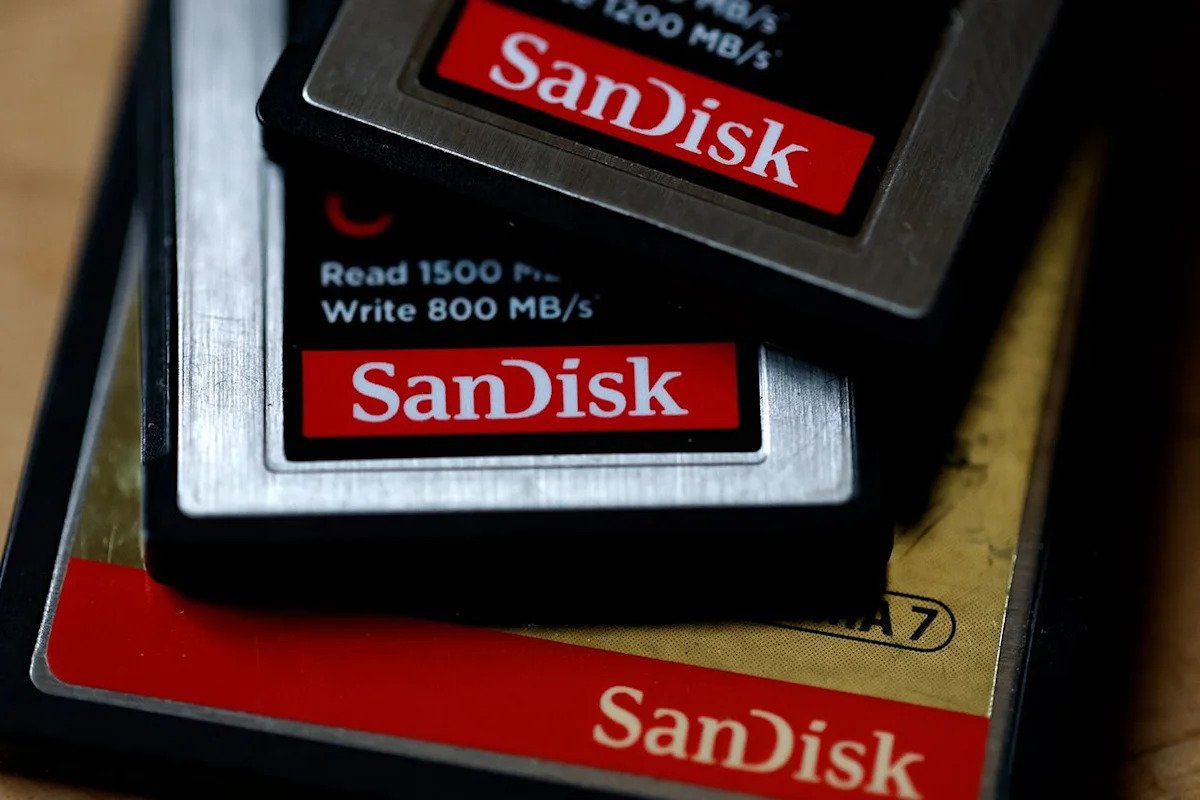
Image source: Getty Images.
Memory demand continues to surge
While AI processor chips such as GPUs have been capturing headlines for years, memory chips have become just as vital for the AI boom. Sandisk has been a major beneficiary of the steep rise in demand for memory; its stock surged by more than 4,000% over a 12-month period before a sharp correction dragged it back down, but it is still up by about 1,800% from where it traded after Western Digital (NASDAQ:WDC) spun it back off in February 2025.
The fundamentals look better than ever, highlighted by $11 billion in revenue in its fiscal 2027 first quarter (which ended Oct. 2). That was a 23% sequential boost and a 378% year-over-year boost. Sandisk also expects $12.6 billion in fiscal Q2 revenue at the high end of its guidance, a 14.5% sequential improvement.
That revenue growth also came with surging profits. Sandisk recorded $8.1 billion in generally accepted accounting principles (GAAP) net income, which was good for a 73.4% net profit margin. Rising profits prompted Sandisk to buy back $5 billion worth of shares in the quarter. Stock buybacks have totaled 4% of shares outstanding over the past two quarters. Sandisk will have plenty of financial flexibility to extend its stock buyback spree, especially if the price remains discounted.