Bailey Pemberton
5 min read
-
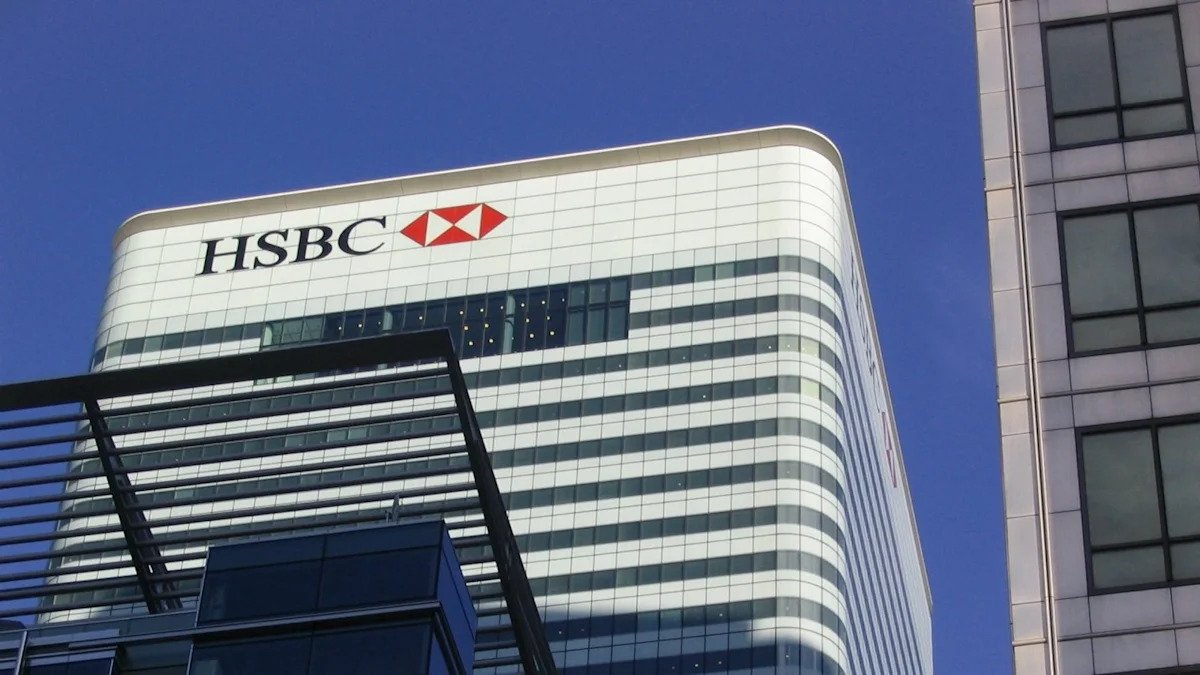
HSBC Holdings has continued to reshape its business, repurchasing more than 17m shares for cancellation and pushing ahead with 15 planned disposals and a larger cost savings program that redirects freed up expenses into areas management views as higher return.
-
The bank’s view that concerns around AI monetisation, bond yields and energy costs may now be closer to their peak provides investors with a clearer backdrop for weighing its restructuring, capital actions and focus on Asia, which anchors its growth engines.
-
We will now look at how HSBC Holdings’ investment narrative could be affected by its cost focused simplification drive and buybacks.
Scan beyond HSBC Holdings and see which peers share similar restructuring, capital return or AI-linked catalysts in our hand picked 17 high quality undervalued stocks list.
HSBC Holdings Investment Narrative Recap
To own HSBC Holdings, you need to be comfortable with a global bank that is shrinking in some areas to back what it views as higher return engines in Asia wealth, transaction banking and technology. The analyst consensus Narrative on Simply Wall St hinges on HSBC turning cost cuts, exits and digital projects into stable returns while deposit competition and credit risk stay contained.
The latest read across from management that AI, bond yield and energy worries may be closer to a peak does not change the core near term swing factor, which is how net interest margins and funding costs evolve in markets like Hong Kong and the UK. The biggest immediate risk still sits in deposit pricing pressure and the revenue drag from business disposals if replacement growth arrives slowly.
The ongoing share buyback program is the clearest near term operational signal around this news. HSBC has repurchased more than 17m shares since late October, funded by what analysts describe as strong capital generation and a CET1 ratio around a 14% target range. That capital action runs alongside 15 planned disposals and a larger cost savings push.
For you as an investor, the interest is in how these repurchases and exits interact with the potential catalysts management is pointing to. Simpler operations, 1.1b US dollars of costs to redeploy and a focus on Asian wealth, global transaction banking and AI driven projects could matter more if markets stabilise and fee income from trade and wealth stays resilient, while risks remain around deposit competition, credit quality and the revenue lost from the 2.2b US dollars of business exits expected between 2026 and 2028.