The Nasdaq is falling in premarket trading Thursday after suffering its worst day since October 22 yesterday as U.S. stock futures waver between gains and losses.
All three main indexes fell on Wednesday, with the losses led by the Magnificent 7 big-name technology firms that had driven gains for most of the past two years.
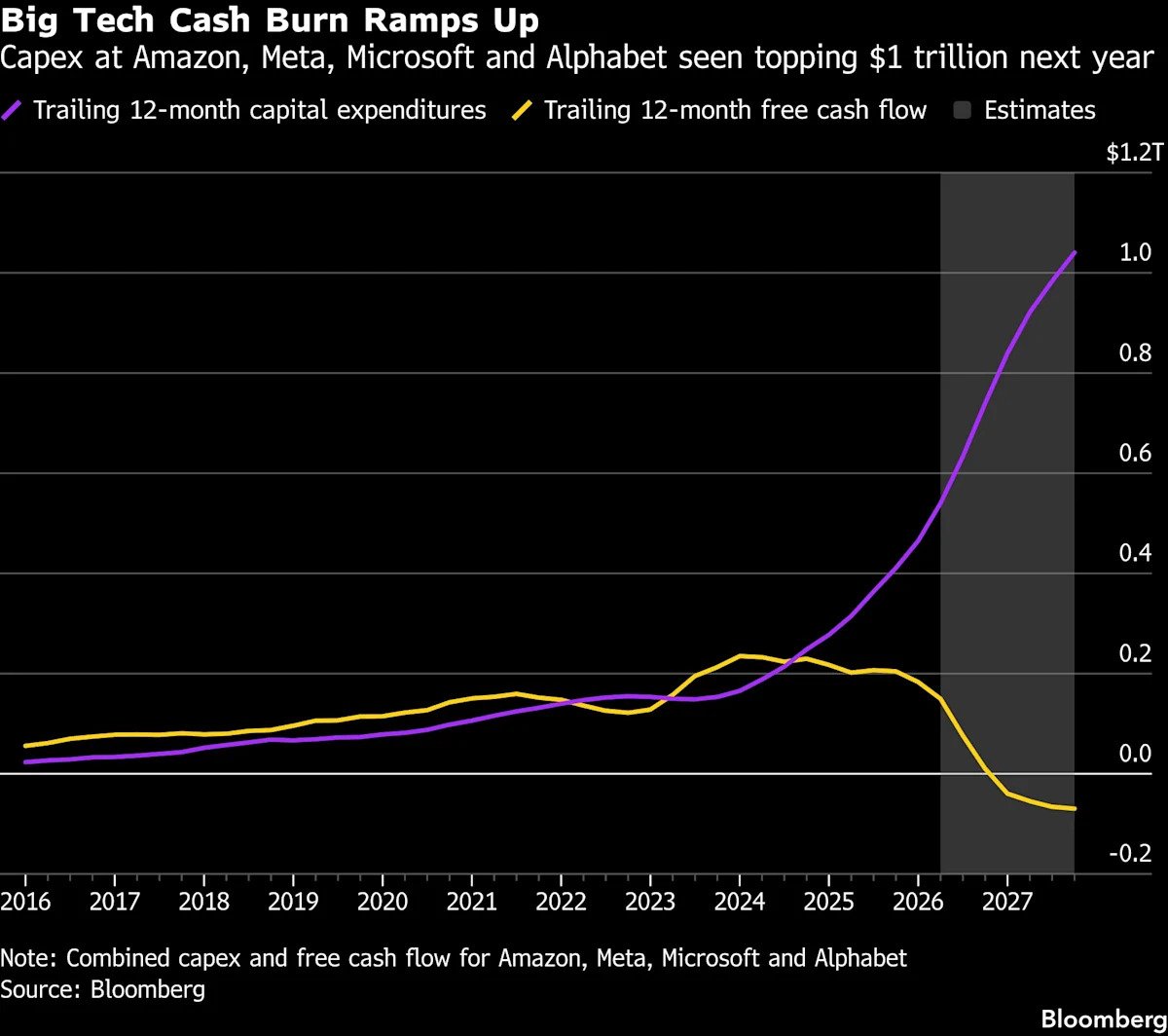
Concern that optimism about artificial intelligence might be overdone, as well as hopes that the Federal Reserve will soon cut interest rates, are fueling a rotation into smaller stocks outside tech.
The release of the first estimate of second-quarter growth could also impact trading on Thursday.
Another thing to keep an eye on today is the Japanese yen. After a long period of weakening, the currency has strengthened to about 150 against the dollar from more than 160 just two weeks ago.
That could create some market turbulence because it messes up the what’s known as the carry trade for investors. For years, traders have been able to borrow at near-zero interest rates in Japan and then reinvest that money and much higher interest rates elsewhere.
Key Events
Latest Updates

(AFP via Getty Images)
U.S. stock futures wavered between gains and losses on Thursday after shares fell sharply yesterday.
Futures for the Dow Jones Industrial Average rose 54 points, or 0.1%. Contracts tied to the S&P 500 fell 0.1%, and those for the technology-heavy Nasdaq dropped 0.2%. All three indexes fell on Wednesday, with the Nasdaq tumbling 3.6% in its worst day since October 2022.
The losses were led by the Magnificent 7 big-name technology firms that had led gains for most of the past two years. Concern that optimism about artificial intelligence might be overdone, as well as hopes that the Federal Reserve will soon cut interest rates, are fueling a rotation into smaller stocks outside of tech. The release of the first estimate of second-quarter growth could also impact trading on Thursday.
“Markets saw a massive slump yesterday,” said Henry Allen, a strategist at Deutsche Bank. “Given we’ve had that relentless run of gains, in many respects that leaves markets more vulnerable right now, as historically it’s unusual to see such a prolonged run of gains maintained for much longer.”
Bond yields were slightly lower. The rate on the benchmark 10-year U.S. Treasury bond was at 4.244%. The yield on the 2-year note was at 4.371%. The gap between those two yields is close to the narrowest since July 2022.