U.S. benchmark crude oil gained $2.10 to $76.83 per barrel in electronic trading on the New York Mercantile Exchange. Brent crude, the international standard, picked up $2.05 to $80.12 per barrel.
Markets were awaiting a policy decision later in the day from the Federal Reserve, with another expected on Thursday from the Bank of England.
Traders expect the Fed to hold off on cutting interest rates when it announces its decision on Wednesday but to go ahead with a rate cut at its next meeting in September.
Inflation in the 20 countries that use the euro ticked up to 2.6% in July, a report said Wednesday, stubbornly above the European Central Bank’s target. That complicates the ECB’s next decision on whether to cut interest rates and boost growth as the economy struggles to stage a convincing recovery from more than a year of stagnation.
Germany’s DAX picked up 0.4% to 18,542.50, and the CAC 40 rose 1.2% to 7,564.92. In London, the FTSE was up 1.4% at 8,396.50.
The future for the S&P 500 advanced 0.9% and that for the Dow Jones Industrial Average rose 0.4%.
In Asian trading, Japan’s benchmark Nikkei 225 recouped earlier losses, closing 1.5% higher at 39,101.82 after the central bank opted to raise its benchmark rate to about 0.25% from a range of zero to 0.1%.
The rate hike was expected to boost the Japanese yen, which bounced during the day and then began gaining as markets in Europe opened. The dollar was trading at 150.46 yen early Wednesday, losing 1.5%, from 152.78 late Tuesday.
The dollar had recently exceeded the 160 yen level, adding to pressure for action from the BOJ, which has remained cautious about stifling growth and is just inching away from its ultra-lax monetary policy.
The euro rose to $1.0825 from $1.0815.
“It seems that policymakers are inclined to raise rates to limit excessive declines in the yen but are being careful not to fuel any overreaction to the move,” Yeap Jun Rong of IG said in a commentary.
The Hang Seng in Hong Kong added 2% to 17,344.60 and the Shanghai Composite index was up 2.1% at 2,938.75 after official data showed China’s July manufacturing activity contracted for a third straight month, fueling expectations that Beijing will need to roll out more stimulus to counter a slowdown.
The smaller Shenzhen A-share index of local companies jumped 3.3%.
Australia’s S&P/ASX 200 advanced 1.8% to 8,092.30 after data showed the annual rate of inflation has risen to 3.8% from 3.6% when the year started, and the consumer price index rose 1% compared with the last quarter.
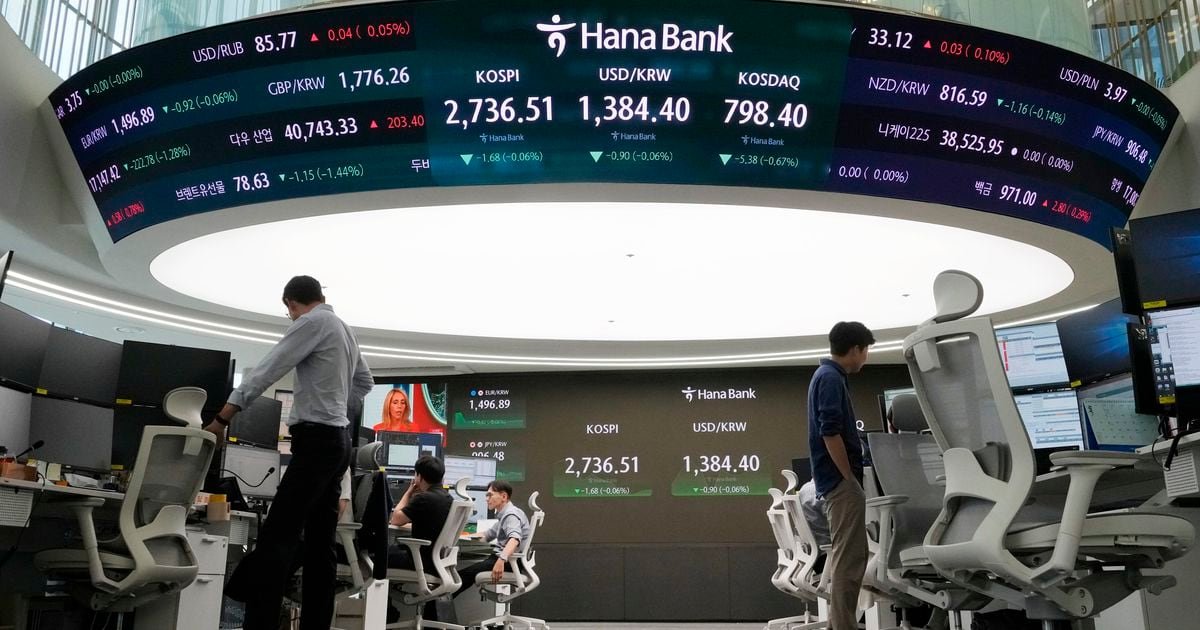
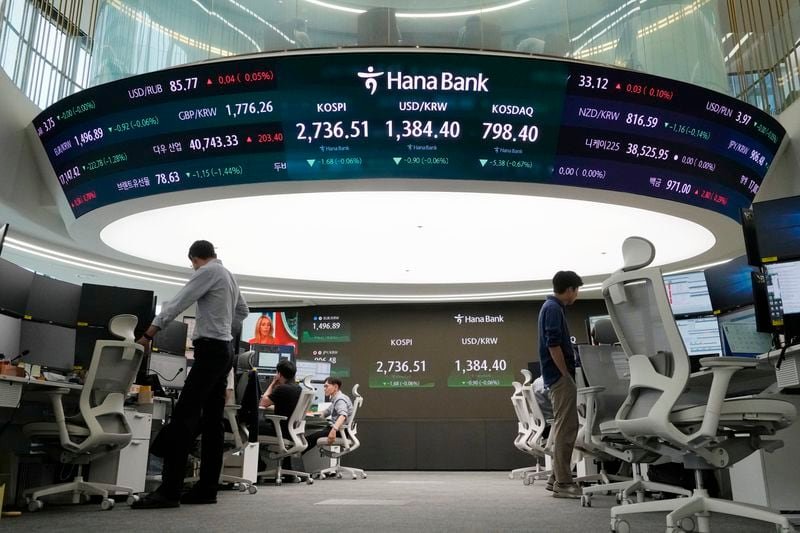
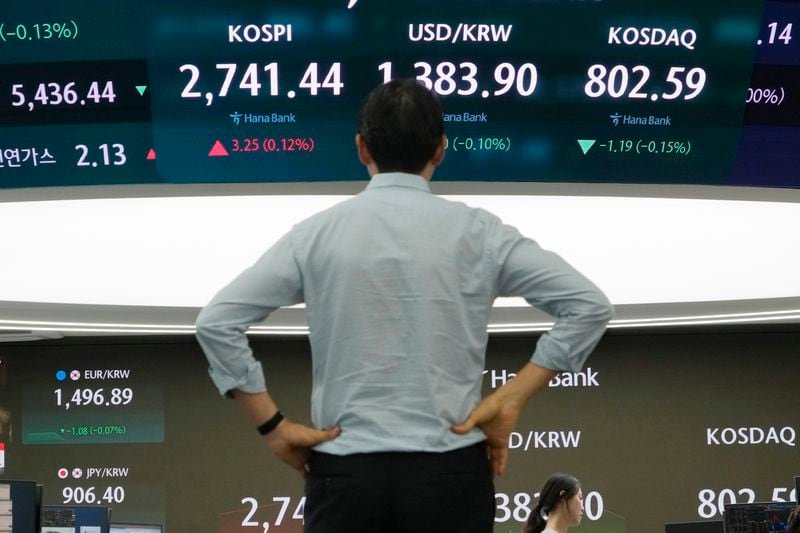
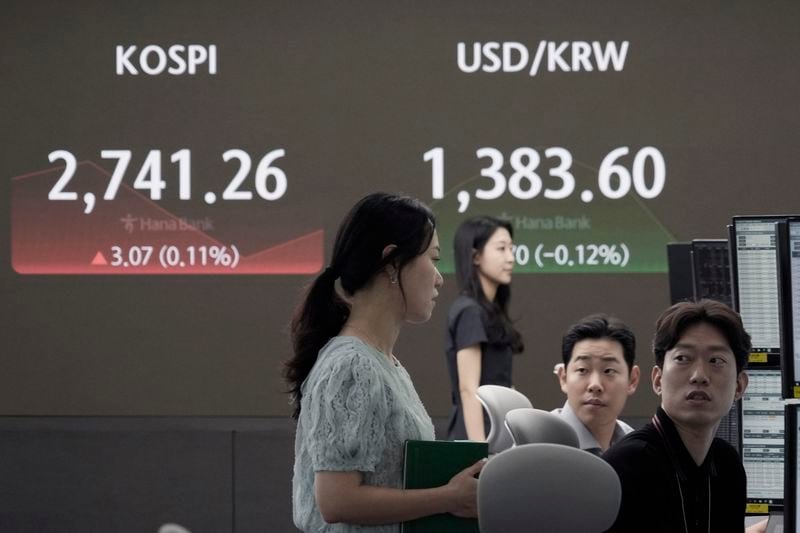
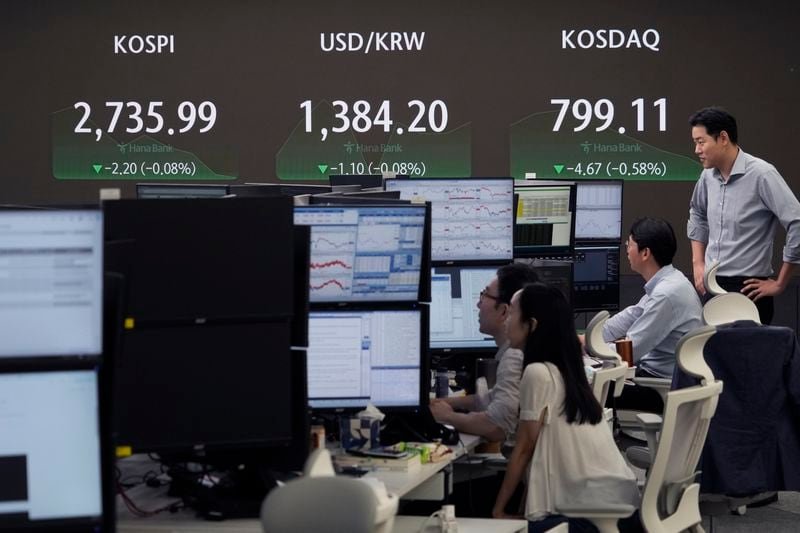
In South Korea, the Kospi rose 1.2%, to 2,770.69 after Samsung Electronics reported a 15 fold increase in its operating profit in the last quarter.
On Tuesday, the S&P 500 slipped 0.5% and the Dow rose 0.5%. The Nasdaq composite sank 1.3%. The Russell 2000 index of smaller stocks added 0.3% Tuesday to stretch its market-leading gain for the month to 9.5%.
A couple of reports on the U.S. economy came in stronger than expected. One showed U.S. employers were advertising slightly more job openings at the end of June than economists expected. That’s a good signal for workers, but too much strength could put upward pressure on inflation.
A second report, meanwhile, said confidence among U.S. consumers is improving by more than economists expected. There, too, the hope is for a “Goldilocks” type of reading that’s neither so hot that it raises fears about reaccelerating inflation nor so cold that it warns of a possible recession.
Credit: AP
Credit: AP
Credit: AP
Credit: AP
Credit: AP
Credit: AP
Credit: AP
Credit: AP
Credit: AP
Credit: AP