A gauge for emerging-market stocks fell for a second day and Latin American currencies extended losses with traders shedding risk ahead of next week’s US election and Federal Reserve meeting.
The MSCI’s benchmark index for emerging stocks fell 0.8% as of 12:00 p.m. in New York, and is headed for the biggest monthly loss since January. The index was dragged down by Asian equities, amid losses in China and Hong Kong stocks.
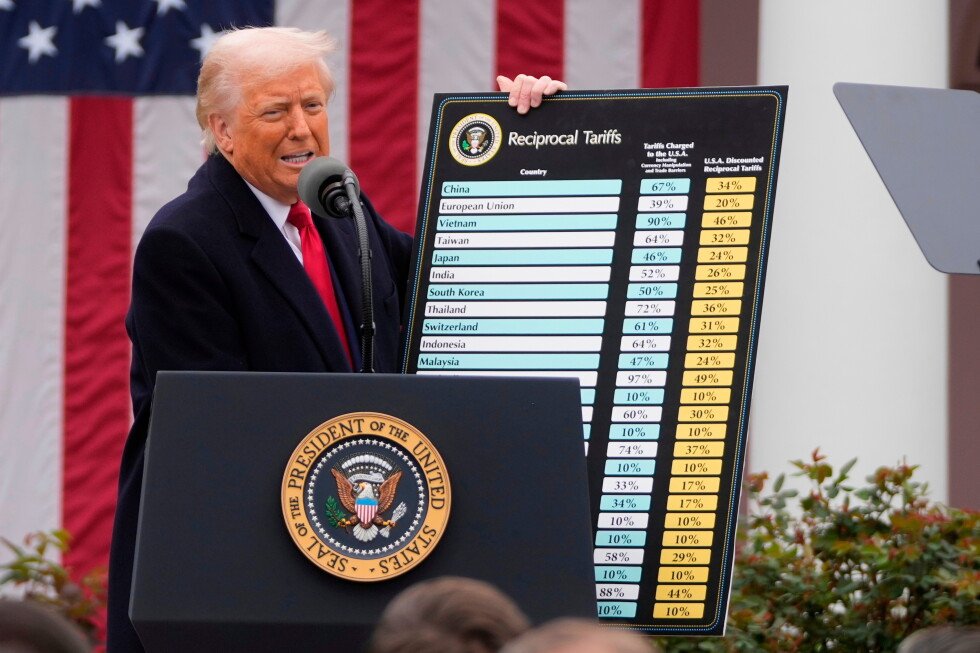
While a companion gauge for emerging currencies advanced, Latin American currencies slumped as markets continued to position for a potential win by Donald Trump in the US election. A Trump win may be seen as risky for emerging-market assets, as he has pledged to raise import tariffs. Still, most polls show a tight contest between Trump and Vice President Kamala Harris.
The continued increase in volatility and traders loading up on dollar positions may push Latin American currencies to new yearly lows, said Alejandro Cuadrado, strategist at BBVA. That’s “a trend unlikely to be reversed until at least we get clarity on the US result,” he said.
On Wednesday, the Chilean peso was the worst performing currency among emerging-market peers. Mexico’s peso slumped to the lowest level since September 2022 amid jitters ahead of the US presidential election next week.
Mexican assets could experience a “perfect storm,” if Trump returns to the White House at the same time that domestic reforms continue to worsen. “A Trump victory could introduce material risks, including tariffs and stricter immigration policies, while a Harris victory could lead to a relief rally and relative stability thereafter,” analysts led by Alejo Czerwonko wrote in a note to clients.
Meanwhile, the Brazilian real trimmed losses after Finance Minister Fernando Haddad said the government has agreed to strengthen the country’s fiscal framework. The real slid on Tuesday, amid broad weakness for the region’s currencies, after Haddad made comments that added to uncertainty about the size and timing of spending cuts.
US Drivers
Traders continued to track high-profile data reports this week, as they prepare for the Federal Reserve’s meeting next week. Earlier on Wednesday, data showed hiring at US companies rising by the most in more than a year, pointing to surprisingly solid demand for workers ahead of the all-important jobs report on Friday.
Also, inflation-adjusted gross domestic product increased at a 2.8% annualized after rising 3% in the previous quarter, powered by the resilient consumer. Traders slightly trimmed bets on rate cuts after the data reports.
Meanwhile, investors are turning to Asian sovereign bonds to ride out the US election. Asset managers such as Allianz Global Investors, Franklin Templeton and Gama Asset Management say they’re bullish on government debt in Asia ex-China. Expectations of interest-rate cuts have buoyed demand, and they say those bonds will be safe havens in the event of market jitters around the US election.
Elsewhere, the Czech economy expanded less than expected in the third quarter as household consumption continued to recover but exports remained weak. Hungary’s economy unexpectedly entered a recession in the third quarter as domestic consumption failed to make up for a deep downturn in industrial production.
This article was generated from an automated news agency feed without modifications to text.
Catch all the Business News , Breaking News Events and Latest News Updates on Live Mint. Download The Mint News App to get Daily Market Updates.
MoreLess
First Published
:
30 Oct 2024, 10:17 PM IST
Business NewsNewsWorldEmerging Stocks Dip With Risk Off Mood Ahead of Fed, US Election