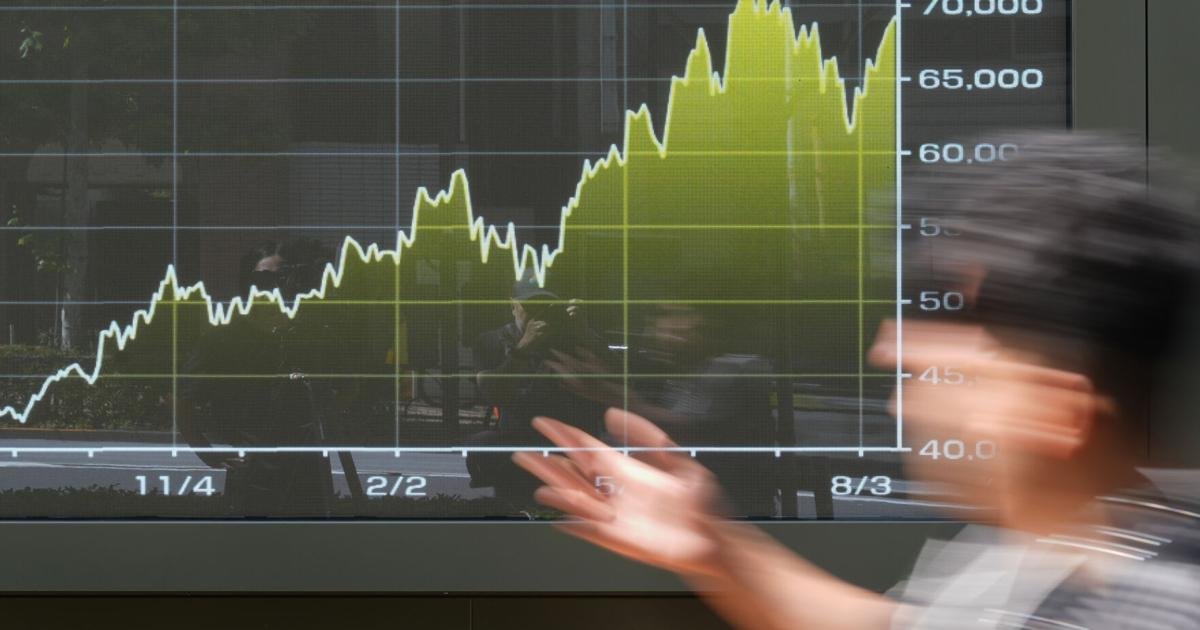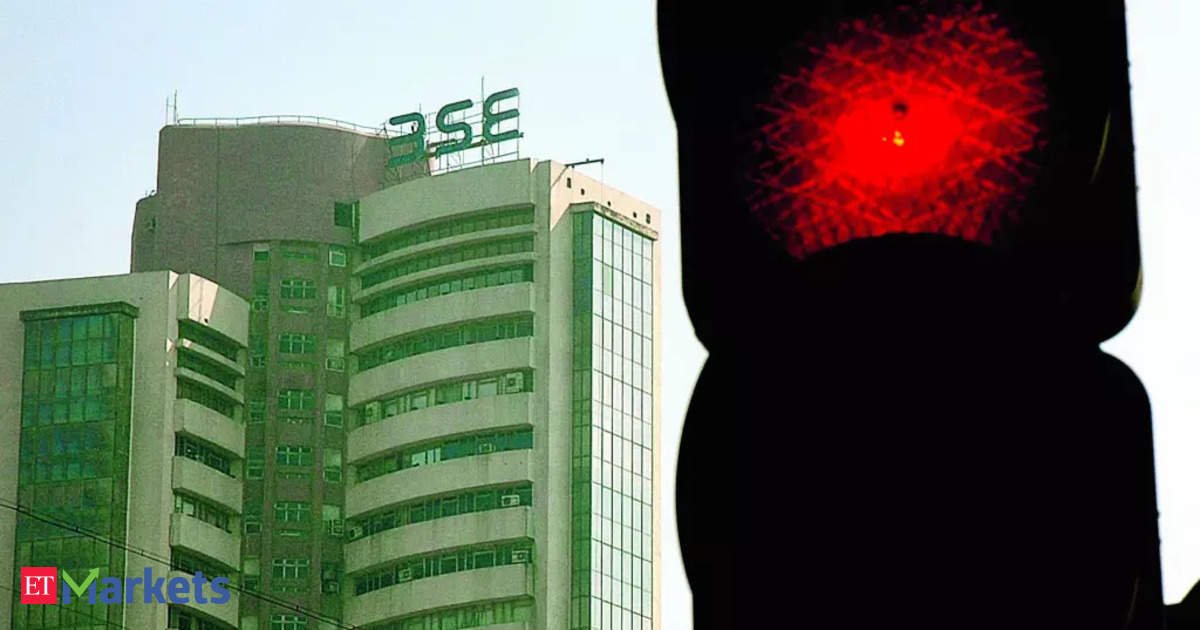
Indian benchmark indices closed lower for the fifth straight session on Tuesday, with the Sensex tumbling over 1,000 points and the Nifty50 slipping below 23,100, weighed down by banking, auto, metal, and IT stocks. Weak domestic earnings and concerns over U.S. trade policy continued to pressure investor sentiment.
The BSE Sensex dropped 1,018 points, or 1.32%, to 76,293, while the NSE Nifty declined 310 points, or 1.32%, to settle at 23,071.
All major sectors ended in the red, with smallcap and midcap indices losing 3.45% and 3%, respectively.
The total market capitalization of BSE-listed companies shrank by Rs 9.3 lakh crore to Rs 408.52 lakh crore.
HDFC Bank, ICICI Bank, and Kotak Mahindra Bank were among the top drags, falling by up to 2.1% and collectively contributing 235 points to the Sensex’s overall decline.
Why is the stock market falling today?
1) US Tariff Hike on Steel and Aluminium
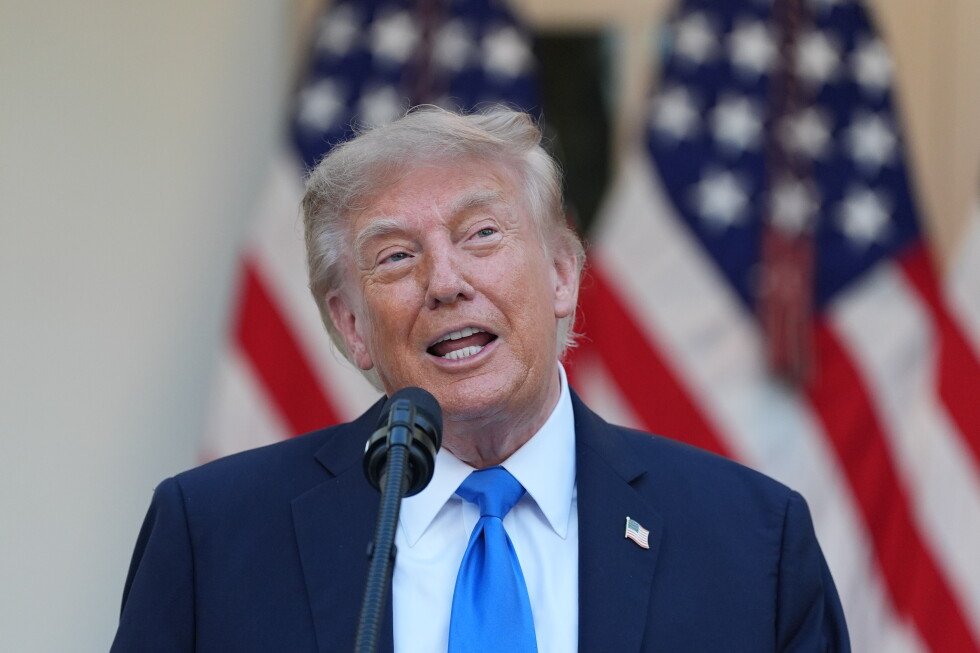
President Donald Trump significantly raised tariffs on steel and aluminum imports on Monday, imposing a flat 25% rate “without exceptions or exemptions.” The move aims to support struggling industries but raises the risk of a multi-front trade war.
Trump eliminated country-specific exceptions, quota deals, and hundreds of product-specific tariff exclusions. A White House official confirmed the new tariffs will take effect on March 4. The rate will return to 25% on imports from Canada, Brazil, Mexico, South Korea, and others that previously benefited from carve-outs.
The move will simplify tariffs on metals “so that everyone can understand exactly what it means,” Trump told reporters. “It’s 25% without exceptions or exemptions. That’s all countries, no matter where it comes from, all countries.”
“Trump’s latest decision to impose 25% tariffs on steel and aluminum will impact countries like Mexico, Brazil, South Korea, and Vietnam the most. Metal prices will remain soft for a long time,” said Dr. V.K. Vijayakumar, Chief Investment Strategist at Geojit Financial Services.”
2) Nervousness ahead of Fed Chair Powell’s Testimony
Investors are on edge ahead of Federal Reserve Chair Jerome Powell’s testimony before the Senate Banking, Housing, and Urban Affairs Committee. His comments on tariffs and inflation will be closely scrutinized for insights into future monetary policy.
3) Persistent FII Selling
Foreign institutional investors have sold Indian equities worth $9.94 billion so far this year, according to NSDL data, further contributing to market weakness.
4) High Bond Yield and Dollar Index
The U.S. 10-year Treasury yield stands at 4.495%, while the 2-year yield is at 4.281%. The stronger dollar, with the dollar index at 108.36, has led to increased capital outflows from emerging markets like India. Higher bond yields make U.S. assets more attractive, and the stronger dollar raises foreign capital costs, further dampening sentiment.
(Disclaimer: Recommendations, suggestions, views and opinions given by the experts are their own. These do not represent the views of The Economic Times)