Americans poured more of their wealth into the stock market in recent years — a positive force that left investors feeling rich when stocks were hitting all-time highs.
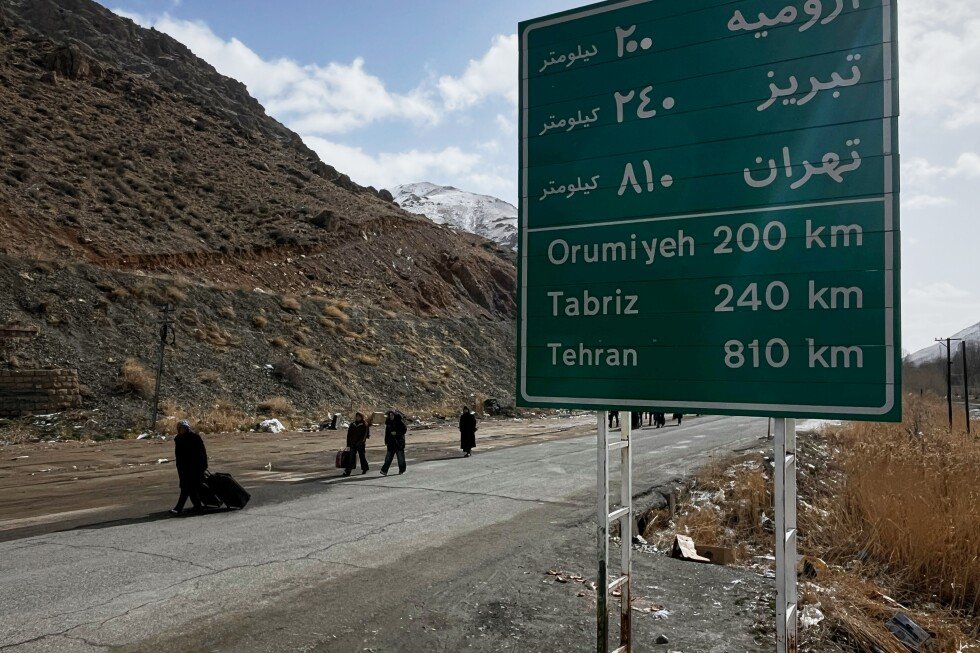
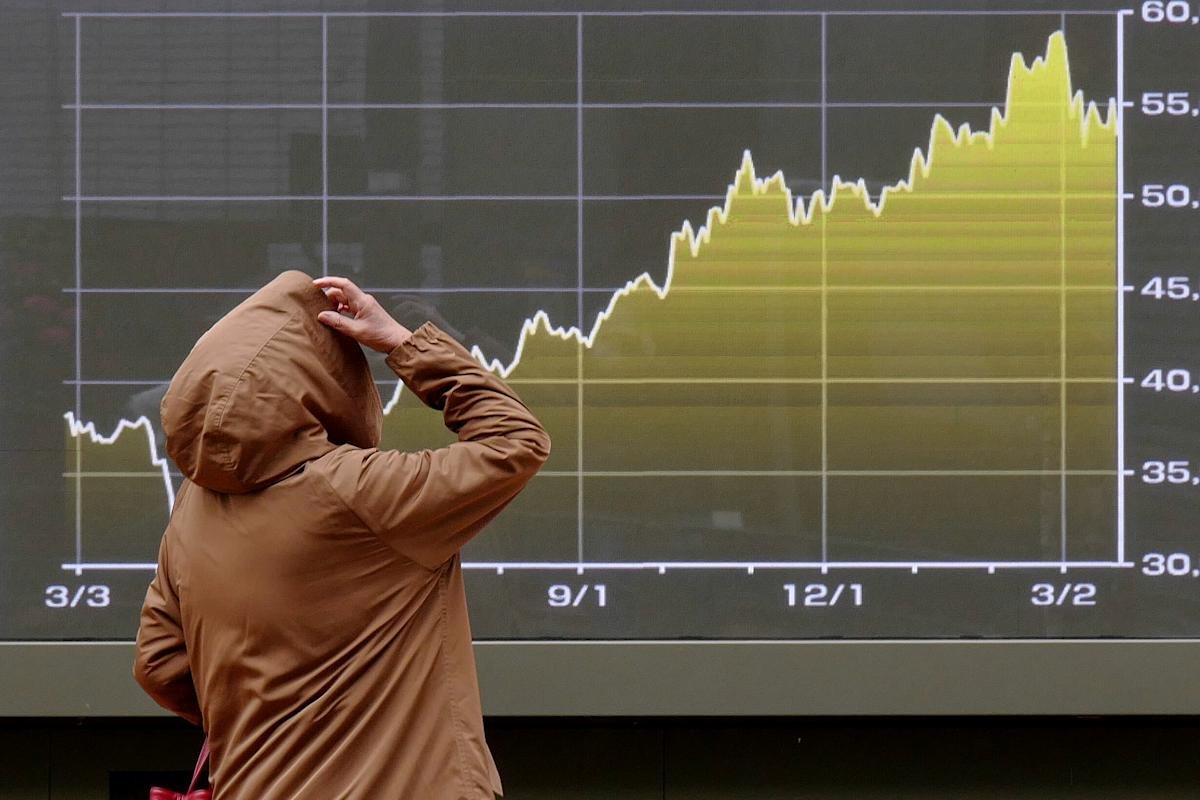
But as the war in Iran rattles markets, it risks leaving everyday investors exposed to a pullback.
In a note to clients, UBS said wealth in equities now accounts for nearly 40% of US household net worth, about double the roughly 10%-20% share that prevailed during the oil price shocks of the 1990s.
“As a result, household balance sheets — and by extension consumption — are significantly more sensitive to financial market conditions than in the historical samples underpinning many estimates of oil-price pass-through,” UBS economist Arend Kapteyn wrote in the note.
All three major stock market indexes are now in negative territory for the year as the war in the Middle East has caused oil prices to spike, reviving recession concerns. The Dow Jones Industrial Average (^DJI) is down roughly 3% year to date, while the Nasdaq (^IXIC) is down 5%. Wall Street has also turned bearish on the S&P 500 (^GSPC), down 3% for the year, with Wells Fargo cutting its year-end target for the index to 7,300 from 7,800.
Read more: How to protect your money during turmoil, stock market volatility
When stocks and home prices rise, consumers tend to spend more because they feel more financially secure, a phenomenon known as the wealth effect.
Conversely, if stocks fall, economists warn it could drag on the economy, especially given the growing divide between low-income households and high-income households, who are more likely to own stocks and have been the main drivers of consumer spending.
If equity markets pull back, “you see some of the concerns spread out” to the broader economy, Citi analyst Steven Zaccone said. Particularly since consumer spending accounts for roughly two-thirds of US gross domestic product (GDP).
According to recent data from the University of Michigan, consumer sentiment declined across all age groups and political parties in March. The survey’s director, Joanne Hsu, said individuals in the middle- and higher-income tax brackets reported “particularly large drops in sentiment.”
This suggests their outlooks on the economy were affected by “both escalating gas prices and volatile financial markets in the wake of the Iran conflict,” Hsu said.
Read more: What an extended war with Iran could mean for gas prices
So far, the US economy seems to be holding up, with the latest jobs report showing a decline in unemployment in March and retail sales remaining solid in February, though sales were largely measured before the war in Iran began.




![i’m-nervous,-too!-[part-2]](https://10xwealthreport.com/wp-content/uploads/2026/03/177042-im-nervous-too-part-2-1568x784.jpg)