
Summary
- During the Great Recession, the Fed shifted focus to quantitative easing to stimulate the stock market and boost consumer wealth, leading to economic growth.
- Ben Bernanke initiated, and subsequent chairs continued, policies that influenced the Fed’s securities portfolio, with Jay Powell overseeing both easing and tightening phases.
- The Fed’s actions, particularly post-COVID-19, instilled investor trust, resulting in significant stock market gains, especially from mid-2022 to late 2024.
- Despite initial optimism in 2025, trade tensions and slowing growth under the second Trump administration have negatively impacted major stock indexes.
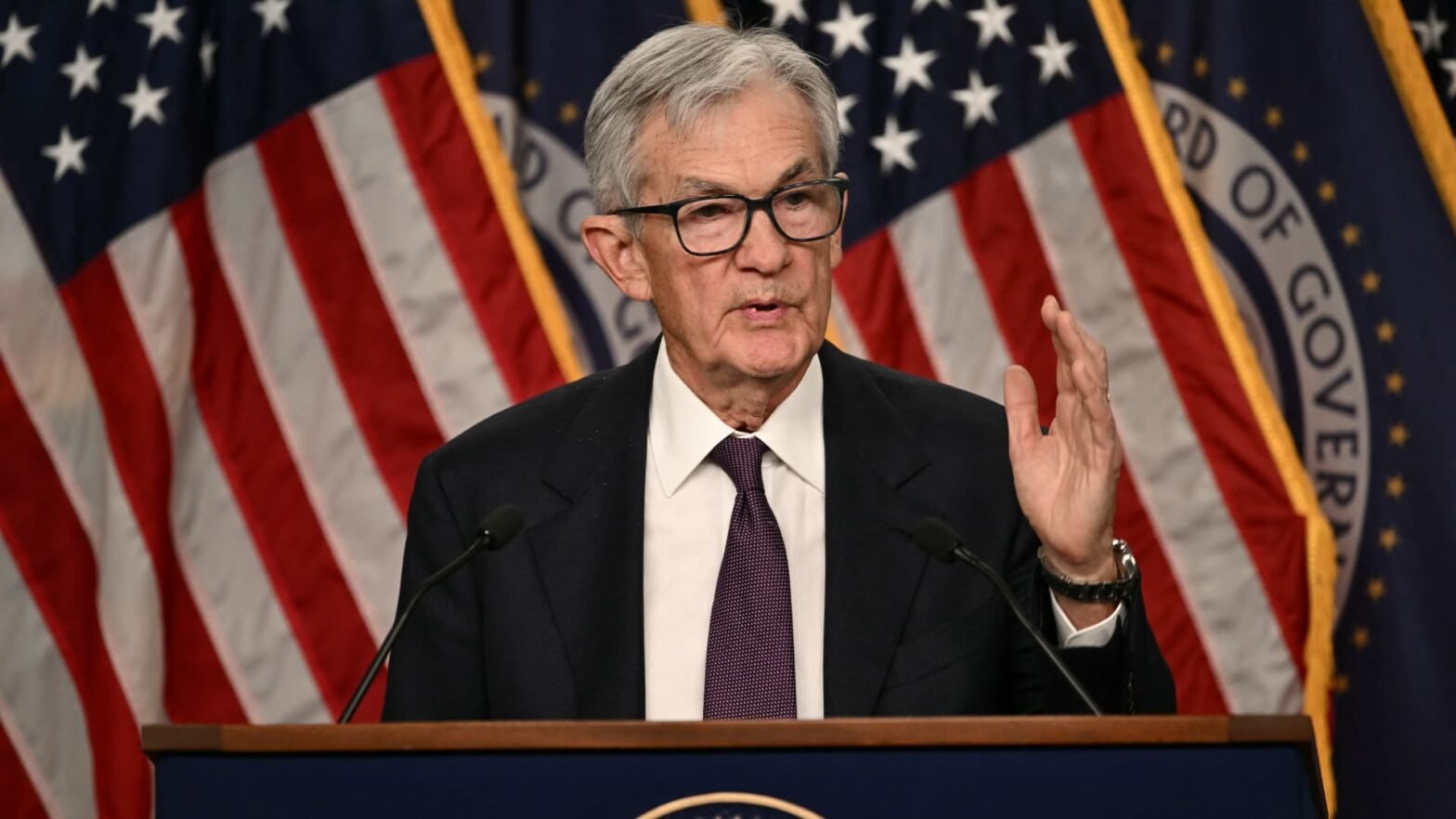
Thomas Barwick/DigitalVision via Getty Images
Let me try to put the current period into perspective.
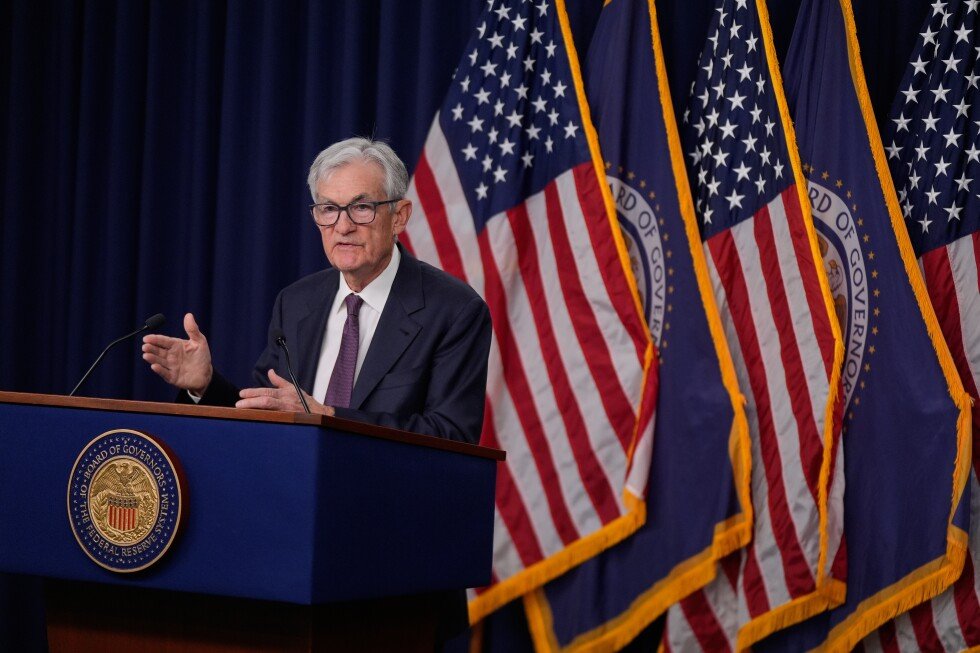
During the Great Recession (2007-2009), Chairman Ben Bernanke and the Federal Reserve put the U.S. central bank on a new monetary path.
Bernanke put
Analyst’s Disclosure: I/we have no stock, option or similar derivative position in any of the companies mentioned, and no plans to initiate any such positions within the next 72 hours. I wrote this article myself, and it expresses my own opinions. I am not receiving compensation for it (other than from Seeking Alpha). I have no business relationship with any company whose stock is mentioned in this article.
Seeking Alpha’s Disclosure: Past performance is no guarantee of future results. No recommendation or advice is being given as to whether any investment is suitable for a particular investor. Any views or opinions expressed above may not reflect those of Seeking Alpha as a whole. Seeking Alpha is not a licensed securities dealer, broker or US investment adviser or investment bank. Our analysts are third party authors that include both professional investors and individual investors who may not be licensed or certified by any institute or regulatory body.



![i’m-nervous,-too!-[part-2]](https://10xwealthreport.com/wp-content/uploads/2026/03/177042-im-nervous-too-part-2-1568x784.jpg)