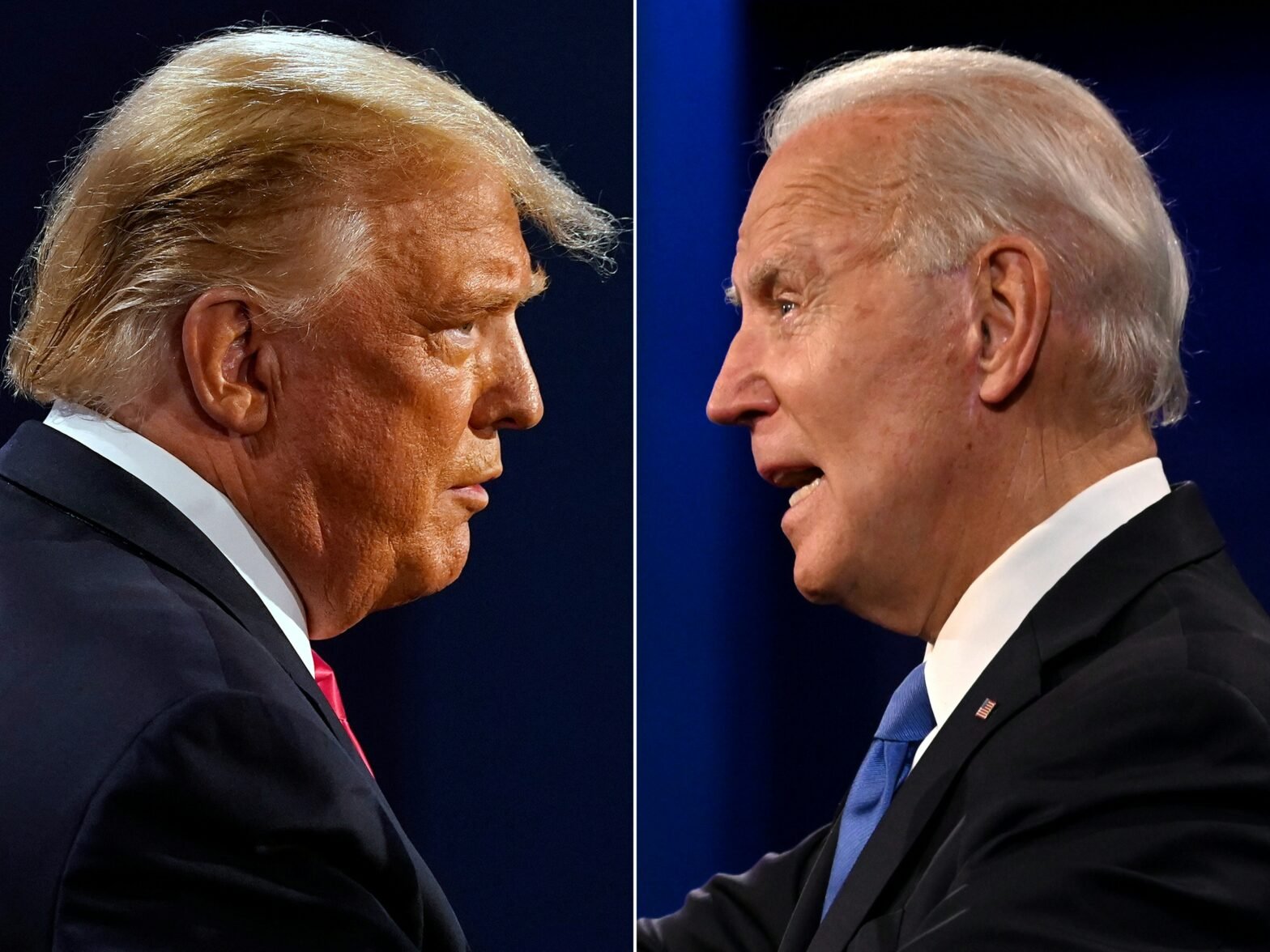
On Thursday, a meme was posted to President Biden’s official X (formerly Twitter) page that appeared to troll former president Donald Trump over his past assertions that Joe Biden would fail to deliver for the American people on economic issues.
The post depicts Biden standing with an ice cream cone in one hand whilst holding an “L” outstretched in his other. An “L” is slang for taking a loss. In other words, Biden is saying Trump was wrong.
It included a clip from a presidential debate in which Trump says “the stock market will boom if I’m elected. If [Biden is] elected, the stock market will crash.” Next to this clip was footage from FOX announcing that the Dow Jones Industrial Average (DJIA) had risen to 40,043.
Newsweek has contacted both the Biden and Trump campaigns for comment via email.
The DJIA rose 93 points on Thursday, reaching more than 40,000 for the first time in its 128-year history. The S&P 500 and tech-heavy Nasdaq 100 also hit all-time highs the previous day.
Commonly referred to as the Dow, the DJIA is a stock market index that measures the stock performance of 30 large, publicly owned companies listed on stock exchanges in the United States. It is one of the oldest and most widely recognized stock market indices in the world.
Stock markets are commonly seen as important indicators of a country’s overall economic health, so the fact they hit record highs this week could suggest that the economy are improving.
In simple terms, Biden was right—there has been no stock market crash during his presidency, contrary to what Trump said before the election. The following chart shows the DJIA since Biden was elected. While there have been rises and falls, there has not been a crash.
That being said, many analyses of the U.S. stock market posit that stocks are currently overvalued, and do not accurately reflect current economic productivity.
Whether Biden is correct or not, what may be more important for the incumbent president with an election on the horizon is how Americans feel the economy is performing.
Two separate polls from this year highlighted Americans’ pessimism in this regard.
A Monmouth University poll asked respondents if they felt they’d benefited from a high Dow Jones average. Only a third said they had benefited either “a great deal” or “some.”
In a Marquette Law School poll, only 35 percent of respondents said the economy was “excellent” or “good.”
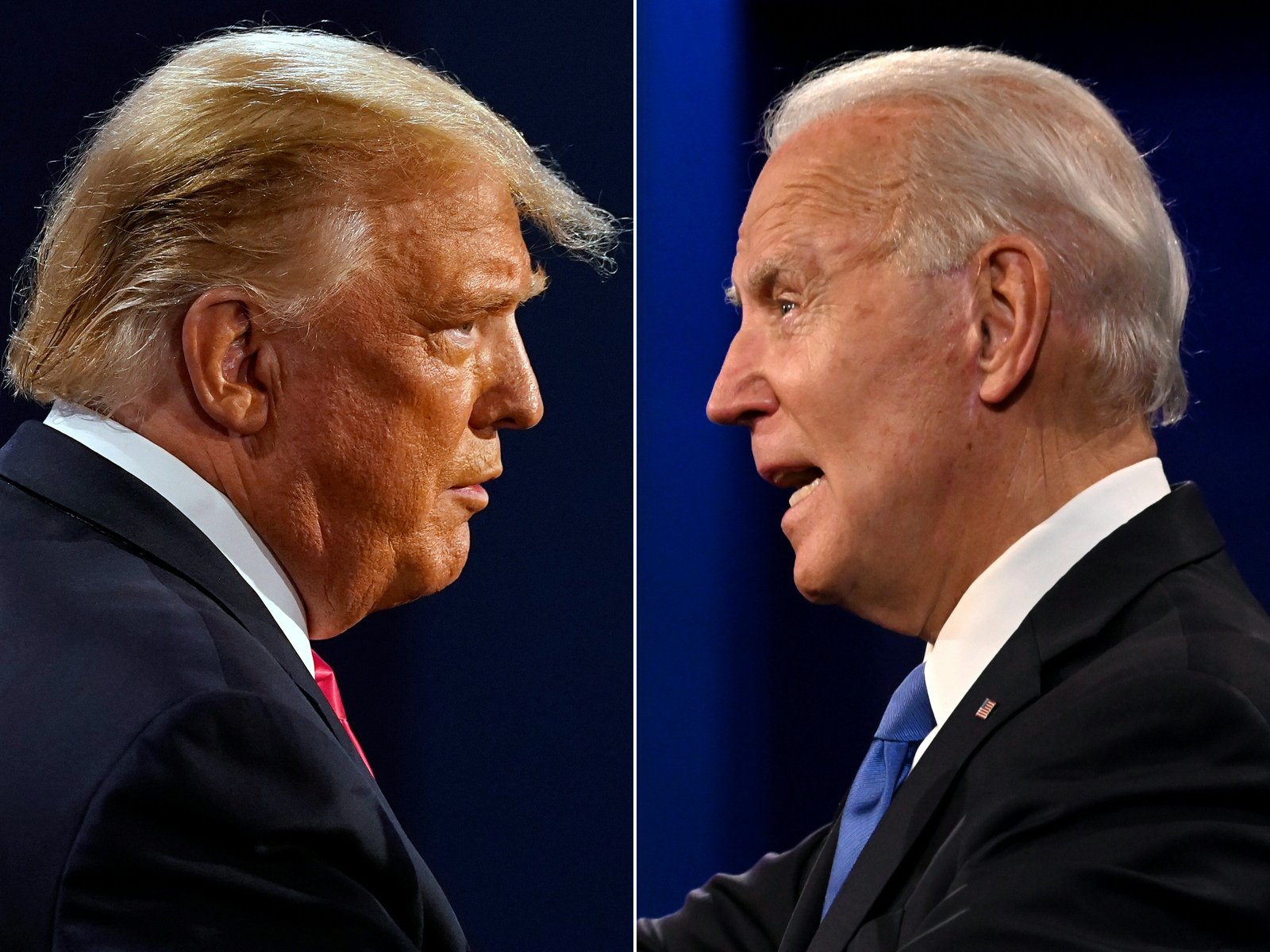
Although public sentiment on the health of the U.S. economy is pessimistic, perceptions have been softening slightly.
A CNN poll concluded that that views on the economy had marginally improved since 2023, rising from 28 percent to 35 percent favorable.
Do you have a story we should be covering? Do you have any questions about the stock market? Contact LiveNews@newsweek.com
Uncommon Knowledge
Newsweek is committed to challenging conventional wisdom and finding connections in the search for common ground.
Newsweek is committed to challenging conventional wisdom and finding connections in the search for common ground.




![i’m-nervous,-too!-[part-2]](https://10xwealthreport.com/wp-content/uploads/2026/03/177042-im-nervous-too-part-2-1568x784.jpg)