3 min read
Amtrak Debuts New High-Speed Acela Trains After Years of Delays
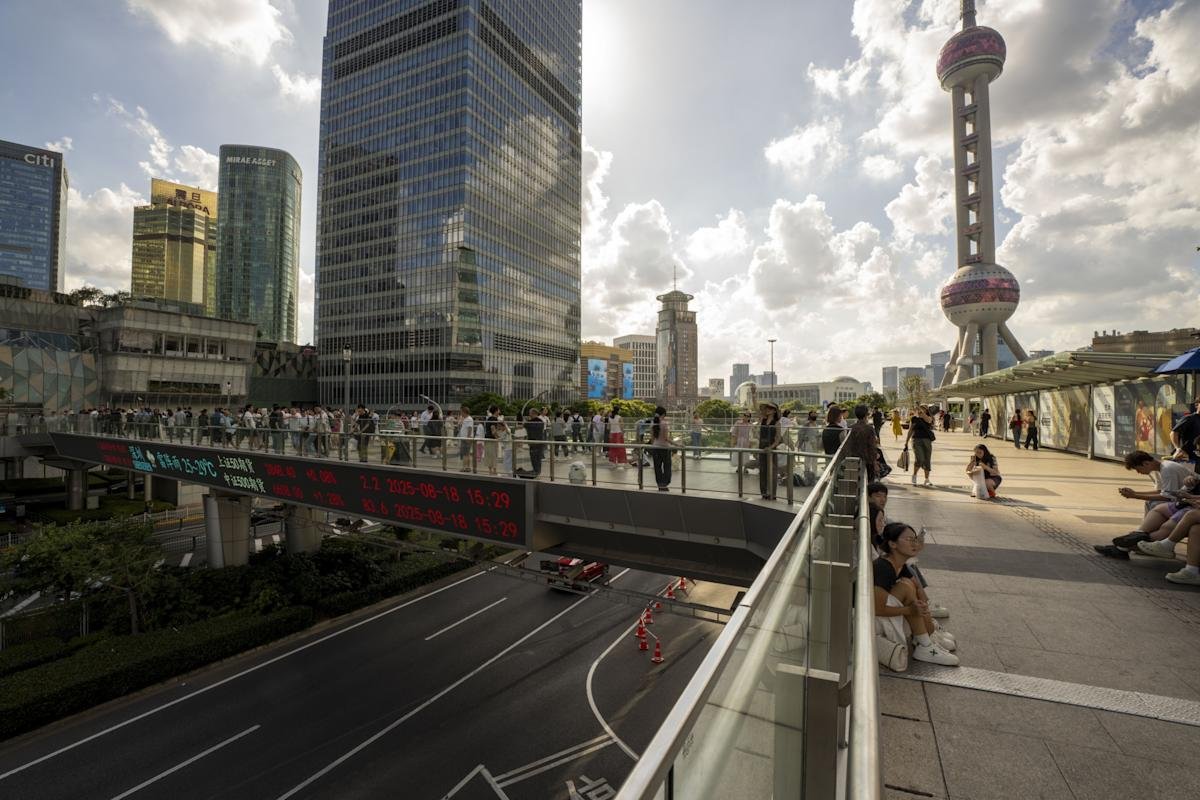
The average turnover volume so far this month is 2.2 trillion yuan ($309 billion), beating the previous high of 2 trillion yuan set in October after the government’s stimulus blitz, according to Bloomberg-compiled data. The onshore benchmark CSI 300 Index is up nearly 10% this month, making it one of the world’s best performers.
Investor excitement continues to run high even as some brokerages and fund managers have cut back on financing and limited purchases in a bid to cool things down. The rally, which has come despite concerns over US tariffs and a deep-rooted property crisis that’s straining the economy, is dividing opinion among Wall Street strategists. While those at Goldman Sachs Group Inc. have raised their target for the Chinese benchmark, others at Morgan Stanley are pointing to signs of overheating.

Liquidity of mainland shares “is expected to remain relatively high in the future,” said Dickie Wong, executive director of research at Kingston Securities Ltd., adding however that there may be profit-taking in the short term.
The surge in Chinese onshore equities has been supported by domestic retail margin traders, inflows from foreign retail investors, as well as speculative investors via CSI 300 futures contracts, according to JPMorgan Chase & Co. In recent sessions, renewed optimism over China’s development of artificial intelligence tools has sparked strong gains in chip-related shares, supercharging the rally.
The froth has raised eyebrows in parts of the market. A brokerage in Shanghai raised its margin deposit ratio for some securities, while some mutual funds imposed daily purchasing restrictions on some of the year’s best performing portfolios. China’s commercial banks are also tightening oversight of clients using credit cards to fund stock investments.
Still, what’s fueling hopes for a sustained rally is the belief that more layers of investors are waiting to jump in after the initial burst. Early data suggest wealthy investors, particularly through hedge funds, have led the charge so far. But the real momentum may come if trillions of yuan in household savings are reallocated into stocks over the next year or beyond.




![i’m-nervous,-too!-[part-2]](https://10xwealthreport.com/wp-content/uploads/2026/03/177042-im-nervous-too-part-2-1568x784.jpg)