When Warren Buffett stepped down as CEO of Berkshire Hathaway (NYSE: BRKA)(NYSE: BRKB) at the end of 2025, he left behind a gargantuan war chest worth $373.3 billion. He also spent his last few years as CEO being a net seller of stock, trimming Berkshire’s massive investment portfolio even as the S&P 500 hit record highs.
Why would the “Oracle of Omaha” have been so seemingly cautious when so much of Wall Street is all in on the current bull run?
Will AI create the world’s first trillionaire? Our team just released a report on the one little-known company, called an “Indispensable Monopoly” providing the critical technology Nvidia and Intel both need. Continue »

Berkshire sold approximately $134 billion in equities during 2024 alone while the bull market raged. The selling continued through 2025, with Berkshire slashing its Apple position repeatedly, trimming Bank of America, and cutting its Amazon stake by 77% in the fourth quarter.
And during the same period, Buffett steadily grew his company’s war chest. From 2022 through today, Berkshire’s cash and short-term investments increased from $128.6 billion to today’s $373.3 billion. You can see the rapid growth in the chart below.

In his second-to-last annual letter to shareholders, Buffett compared the modern stock market to a casino, writing that markets exhibit “far more casino-like behavior” than when he was young and that their active participants are “neither more emotionally stable nor better taught.” He warned of Wall Street’s affinity for “feverish activity” and reaffirmed that Berkshire would “never risk permanent loss of capital.”
It would seem that Buffett was concerned by what he saw: artificial intelligence (AI) fueled euphoria, an increasing willingness from investors to pay a premium for the possibility of future returns, global instability, and stocks trading at extreme levels.
If Buffett saw signs of a coming “conflagration,” as he calls market meltdowns, it would make sense for him to play defense — locking in profits from his investments and growing his cash reserves. That’s not just caution for the sake of caution. It’s a playbook that has served him extraordinarily well.
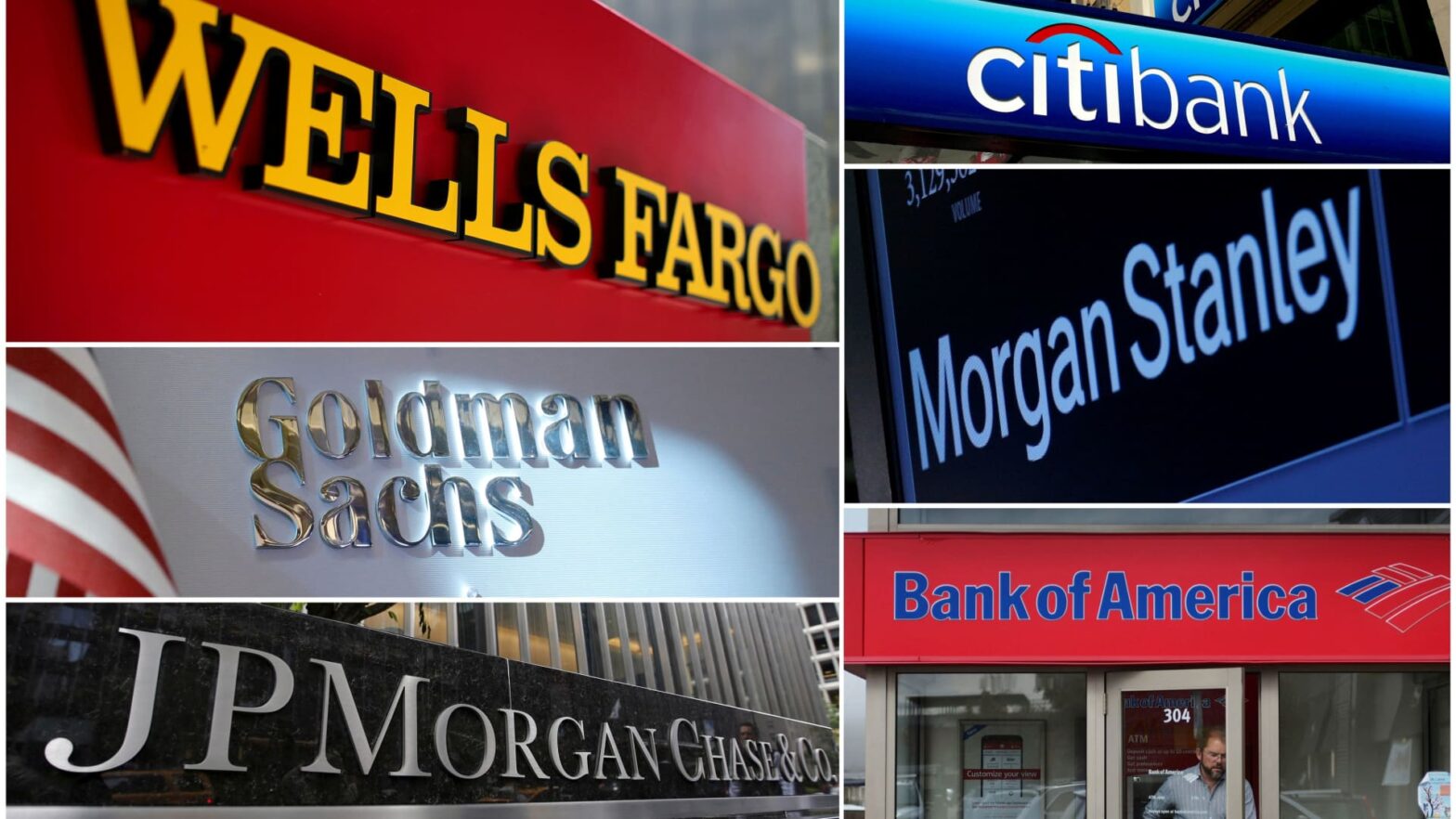
During the 2008 financial crisis, Buffett deployed roughly $14.5 billion across deals with Goldman Sachs, what was then General Electric, and Bank of America. Because he was one of the few investors with both capital and nerve, he was able to negotiate terms that were only available after a crash. The Goldman deal alone — $5 billion in preferred shares at a 10% dividend plus warrants — generated around $3.1 billion in returns. His Bank of America warrants eventually became a $12 billion gain.