The market is worried that the company’s huge AI spending won’t lead to meaningful value creation.
With shares trading down almost 55% from an all-time high of $345.72 reached in late 2025, Oracle (ORCL +2.38%) has become the fallen star of the boom among generative artificial intelligence (AI) stocks. Investors are worried that the company’s aggressive capital expenditure plans aren’t translating to meaningful returns while burdening its balance sheet with massive debt.
The situation came to a head when the company signed a $300 billion deal with ChatGPT creator OpenAI to help build data centers over the next five years. Let’s explore the long-term implications of this deal to decide if Oracle’s share price dip is a buying opportunity or a sign to stay far away.

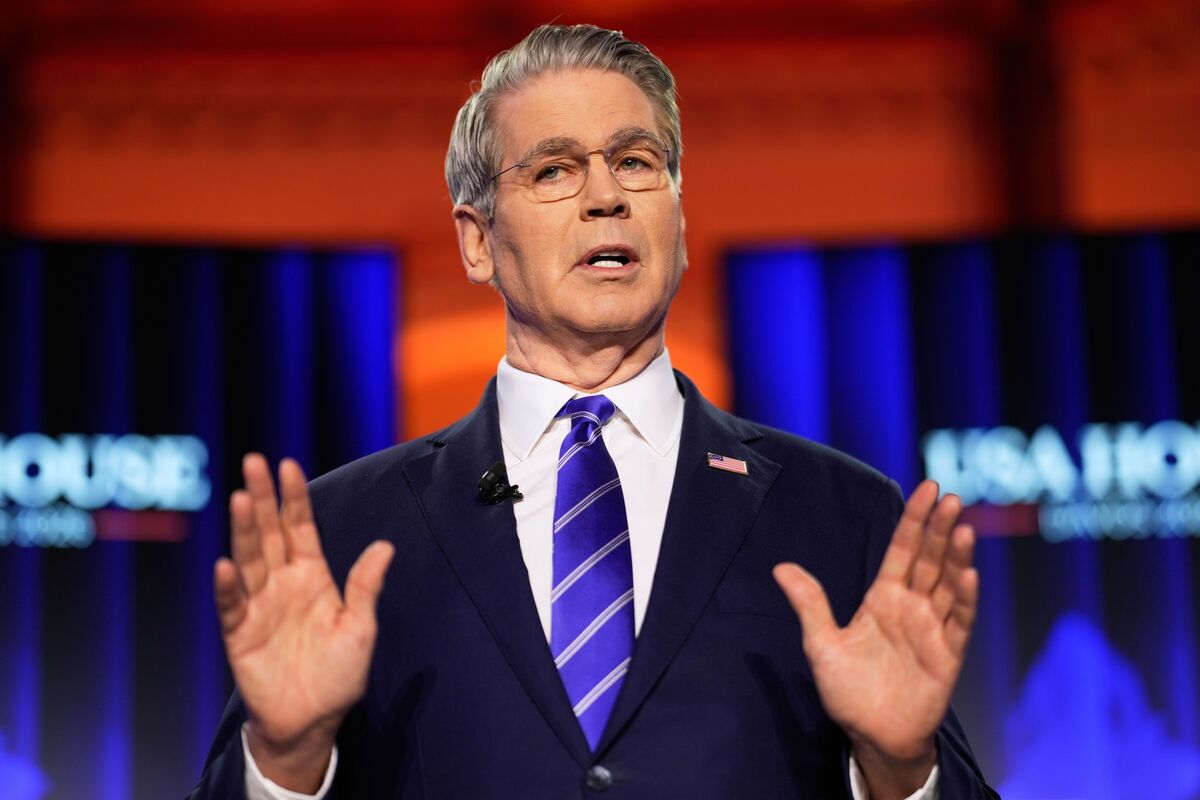
Image source: Getty Images.
Overexposed to a risky partner?
On the surface, Oracle’s OpenAI deal looks like a win/win opportunity. Its business model involves selling hardware and software used for database management and cloud computing, as well as building data centers that can be leased to third-party clients. These products and services synergize well with OpenAI’s needs to store and transmit data for its generative AI large language models (LLMs).
Furthermore, as the infrastructure provider, Oracle is positioned on the pick-and-shovel side of the agreement. The company is somewhat shielded from the uncertainties that OpenAI will face as it seeks to monetize its consumer-facing algorithms and make returns that will justify the hundreds of billions it is spending on data center infrastructure. That said, the deal is not without potential pitfalls for investors.
For starters, the deal has made Oracle overly reliant on one client. The Financial Times goes as far as calling Oracle OpenAI’s “publicly traded proxy” because 58% of its contractual backlog is tied to the ChatGPT maker.
And while OpenAI remains a leader in generative artificial intelligence, it is an extremely risky partner to build a business around. According to a report from tech news site The Information, the ChatGPT maker could burn through $115 billion in cash by 2029. And with losses on that scale, there is a real possibility that OpenAI could eventually run out of the capital needed to meet its obligations — although there are no signs of that happening yet.
Oracle is also on a spending spree
Oracle is also spending substantial amounts of its own capital to provide the data center infrastructure for OpenAI and other clients like TikTok, Nvidia, and xAI. In February, management announced plans to raise $45 billion to $50 billion through debt and equity financing (creating and selling new units of stock) to fund the infrastructure projects.
However, the new funding adds to Oracle’s already overleveraged balance sheet. The company reported $100 billion in total debt in the fiscal second quarter (which ended in November). All this money will have to be paid back while it also generates interest expense that will be a long-term drag on Oracle’s earnings.

Today’s Change
Current Price
Is Oracle stock a buy?
Orace is a high-risk, high-reward way to get exposure to the generative AI industry. Investors are essentially betting that the technology will continue to improve at a rate that justifies the huge levels of capital spending and debt Oracle is pouring into data centers for its clients. And that assumption is far from guaranteed to play out.
Furthermore, even if generative AI evolves into a widely commercially viable technology, Oracle’s main client, OpenAI, still faces the risk of getting outdone by rivals like Anthropic or Gemini. OpenAI’s flagship app, ChatGPT, is already rapidly losing ground, with its January market share falling from 69.1% in 2025 to 45.3% in 2026.
With a forward price-to-earnings ratio of just 20, Oracle stock may look like a good value relative to the Nasdaq 100 average of 27, but that’s not a sign to buy it. Shares could get even cheaper as these long-term challenges play out.