Oil prices fell back today on hopes that Donald Trump’s war in Iran will soon be over but remain around 25% higher than before the start of the Middle East conflict.
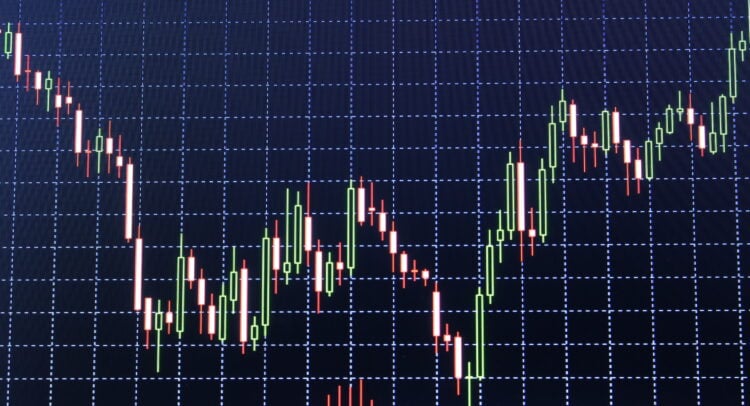
The price of a benchmark barrel of Brent crude was trading at $91.09, down 8% this morning as the US President claimed the war with Iran was nearing the end.
In panicked trading yesterday prices spiked to almost $120 after hard liner Mojtaba Khamenei, was picked to be Iran’s new supreme leader following the assassination of his father, Ayatollah Ali Khamenei.
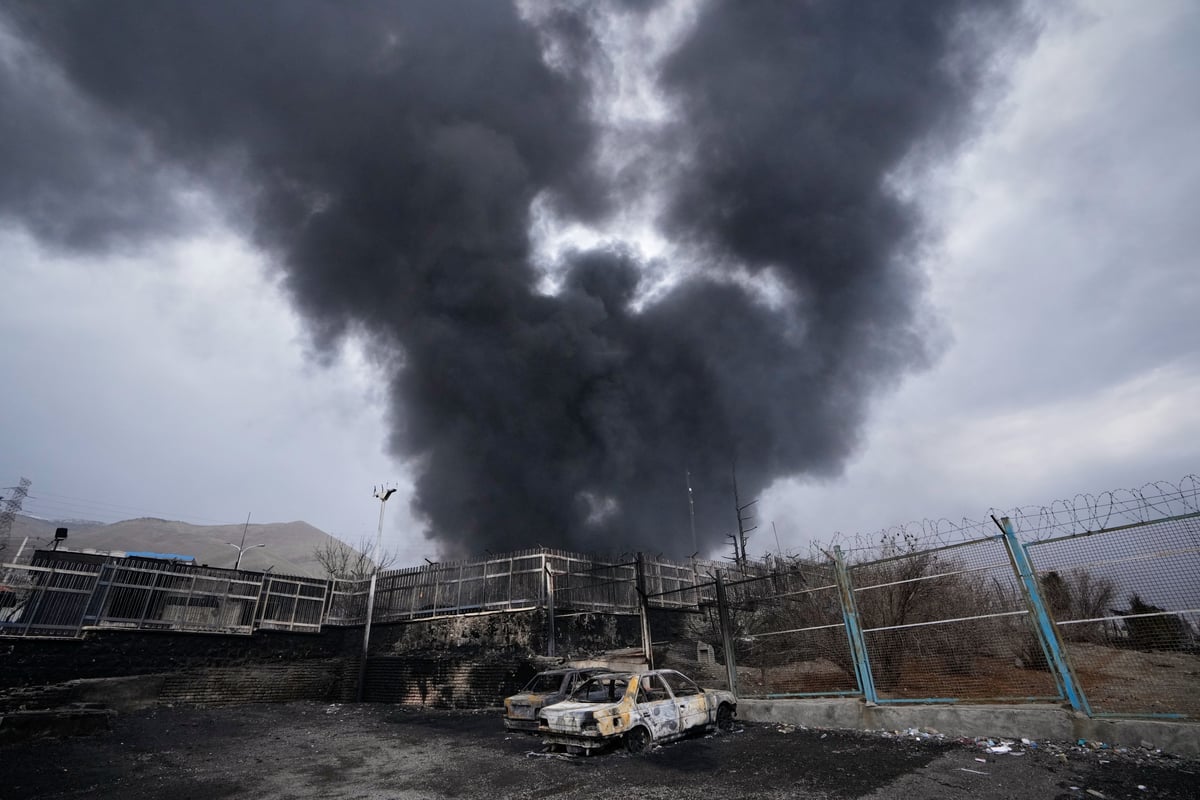
Today Tehran warned that “not a litre” of oil will be exported from the Middle East until the United States and Israel stop bombing the the country.
“We are the ones who will determine the end of the war,” a spokesman for the Islamic Revolutionary Guards Corps said in a statement.
The Strait of Hormuz, a 20 mile wide pinch point in the Persian Gulf through which a fifth of all seaborne oil and gas passes remained effectively closed to traffic today.
Although today’s easing in energy prices will calm the worst fears about the knock on effect for the economy there are still fears that upward pressure on inflation will delay further interest rate cuts from the Bank of England.
Before US and Israeli forces started bombing Iran the City had been confidently expecting another quarter point cut in rates from the Bank on Thursday next week. That is now seen as off the table until later in the year, although fears of a rate hike have subsided.
Oil prices are still well above the $70 levels prevailing at the time of the start of the war and 50% above the $60 lows seen in December
However, the plunge in energy prices revved up the stock market where the FTSE 100 index of leading British company shares was up 151 points, or 1.5% per cent at 10,.401 in early trading.
Susannah Streeter, chief investment strategist at the Wealth Club said: “Given that the fighting is continuing and the key Strait of Hormuz remains impassable, worry is still percolating. Oil prices remain more than 25% higher than before the conflict began. Trump has pledged that the US Navy will provide a guard for tankers through the Strait, but any timeline for that is highly obscured, with forces for now focused on taking out military infrastructure rather than becoming ship escorts.
“Until a longer‑term resolution is found, companies and consumers are still set to pay the price for the attack by the US and Israel on Iran. The repercussions for an array of everyday costs affecting companies and households are becoming clear.
“Prices at the pumps have already increased, and motorists are being warned to drive more conservatively to offset an expected further rise in costs. More generous fixed‑rate energy tariffs have been scrapped, and households are bracing for a rise in the energy price cap in July. Borrowing costs are set to stay elevated for longer due to the inflation pressures higher energy costs will bring, and better mortgage deals have been withdrawn.”