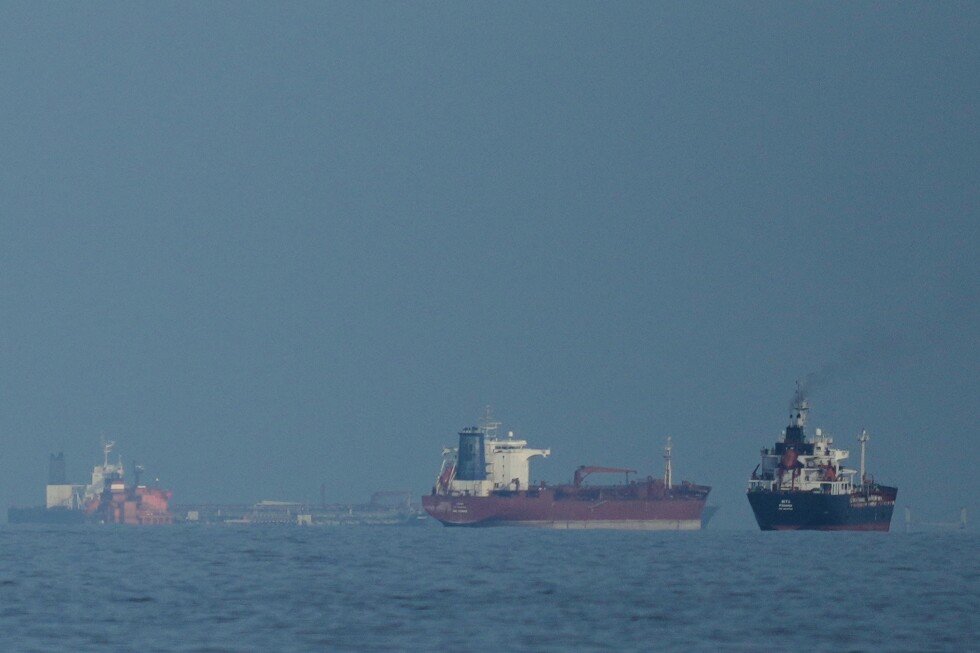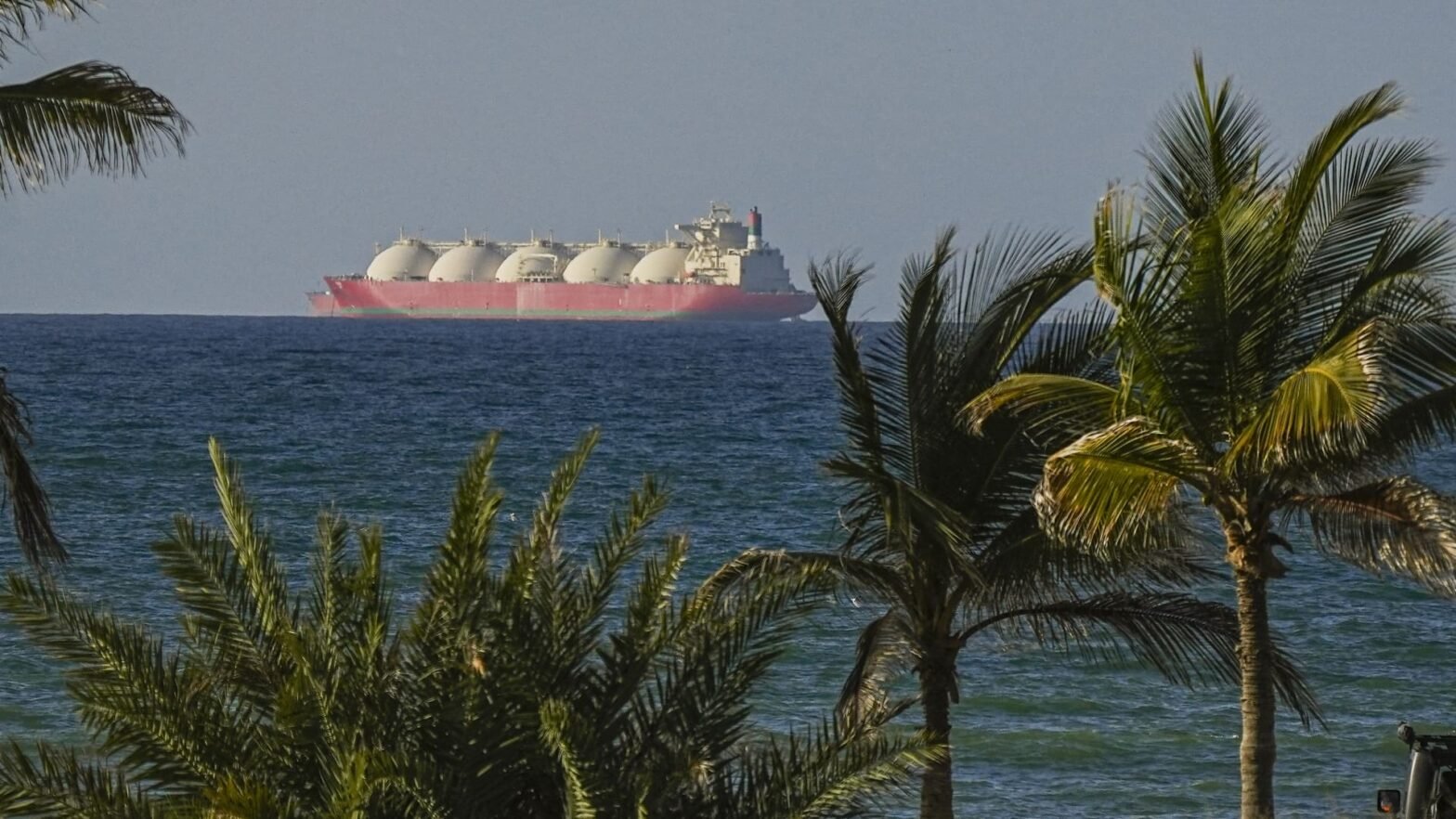
A view of the vessels passing through Strait of Hormuz following the two-week temporary ceasefire reached between the United States and Iran on the condition that the strait be reopened, seen in Oman on April 8, 2026.
Shadi J. H. Alassar | Anadolu | Getty Images
LONDON — European stocks started the new trading week on a somber note as global traders assessed developments in the Middle East over the weekend.
The pan-European Stoxx 600 was 0.7% lower by 8:40 a.m. in London (3:40 a.m. ET), with all major bourses sliding and most sectors, oil and gas excepted, in the red.
Travel and leisure stocks were among the worst hit, falling almost 2.1% in morning trade, with carriers Wizz Air, EasyJet and Lufthansa down 6.9%, 3.8% and 3.9%, respectively, as concerns over the supply of jet fuel to European airports rattled markets. Tui was 3.4% lower, while German aircraft engine maker MTU Aero Engines slipped 2.4%.
In contrast, Vår Energi, the Norwegian oil and gas giant, surged 3.9%, as energy prices moved above $100 a barrel after U.S. President Donald Trump announced plans to blockade the Strait of Hormuz. The move was announced after talks between Washington and Tehran at the weekend failed to produce an agreement to end the Middle East conflict.
Global oil benchmark Brent crude rose 6.8% on Monday to reach $101.68%, as U.S. West Texas Intermediate prices gained 7.2% to hit $103.59.
“Effective immediately, the United States Navy, the Finest in the World, will begin the process of BLOCKADING any and all Ships trying to enter, or leave, the Strait of Hormuz,” Trump said in a post to his social media platform Truth Social on Sunday.
“The Blockade will begin shortly. Other Countries will be involved with this Blockade. Iran will not be allowed to profit off this Illegal Act of EXTORTION.” Early Monday, Trump posted that the blockade on ships entering or exiting Iranian ports would begin at 10:00 a.m. ET (3 p.m. London time).
European bourses followed Asia-Pacific stocks lower on Monday as investors reacted to the breakdown of negotiations between Iran and the U.S., which has reignited fears of a prolonged conflict as crude oil prices surged. Separately, President Trump has threatened China with what he called “staggering tariffs” of around 50% should Beijing provide air defense systems, arms and other military assistance to Iran, potentially stoking tensions further.
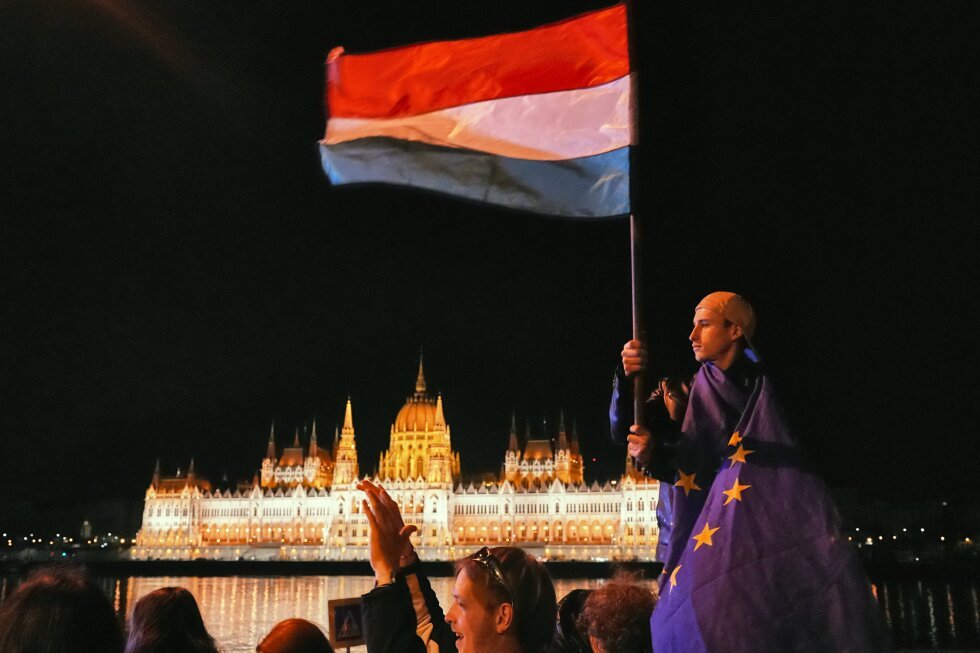
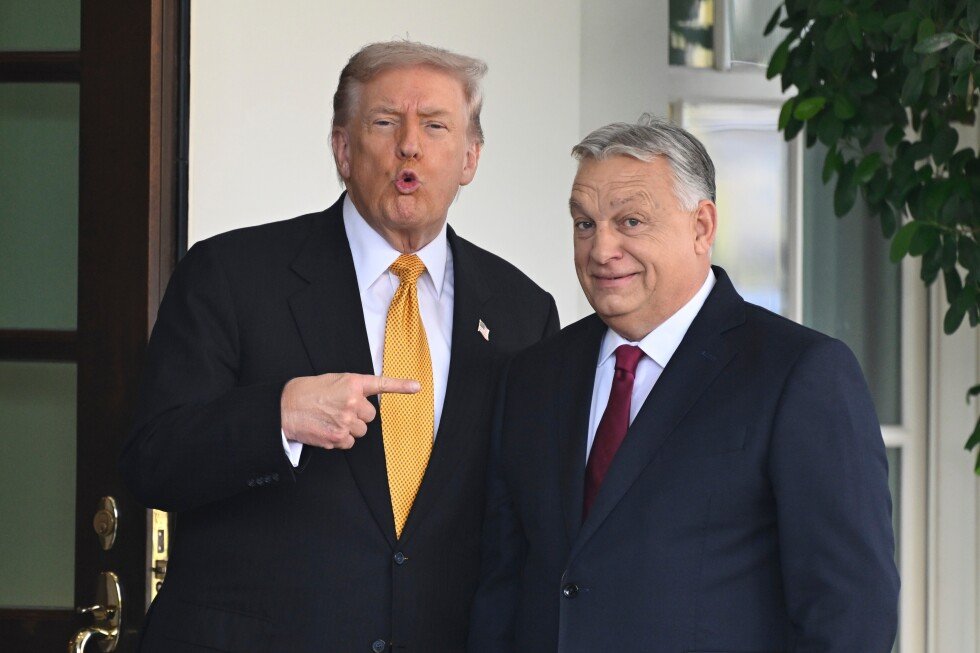
Elsewhere, European investors are keeping an eye on Hungary after long-term conservative leader Viktor Orban conceded defeat to Peter Magyar’s pro-EU Tisza following the opposition party’s landslide election win. The victory is a blow for Russia and the Trump administration, which saw an ally in eurosceptic Orban. Hungary’s forint rallied following the result, strengthened 2.51% against the dollar to 312.6 forint, and 2.42% against euro.
Earnings come from LVMH, Christian Dior and Galp Energia on Monday. There are no major data releases.