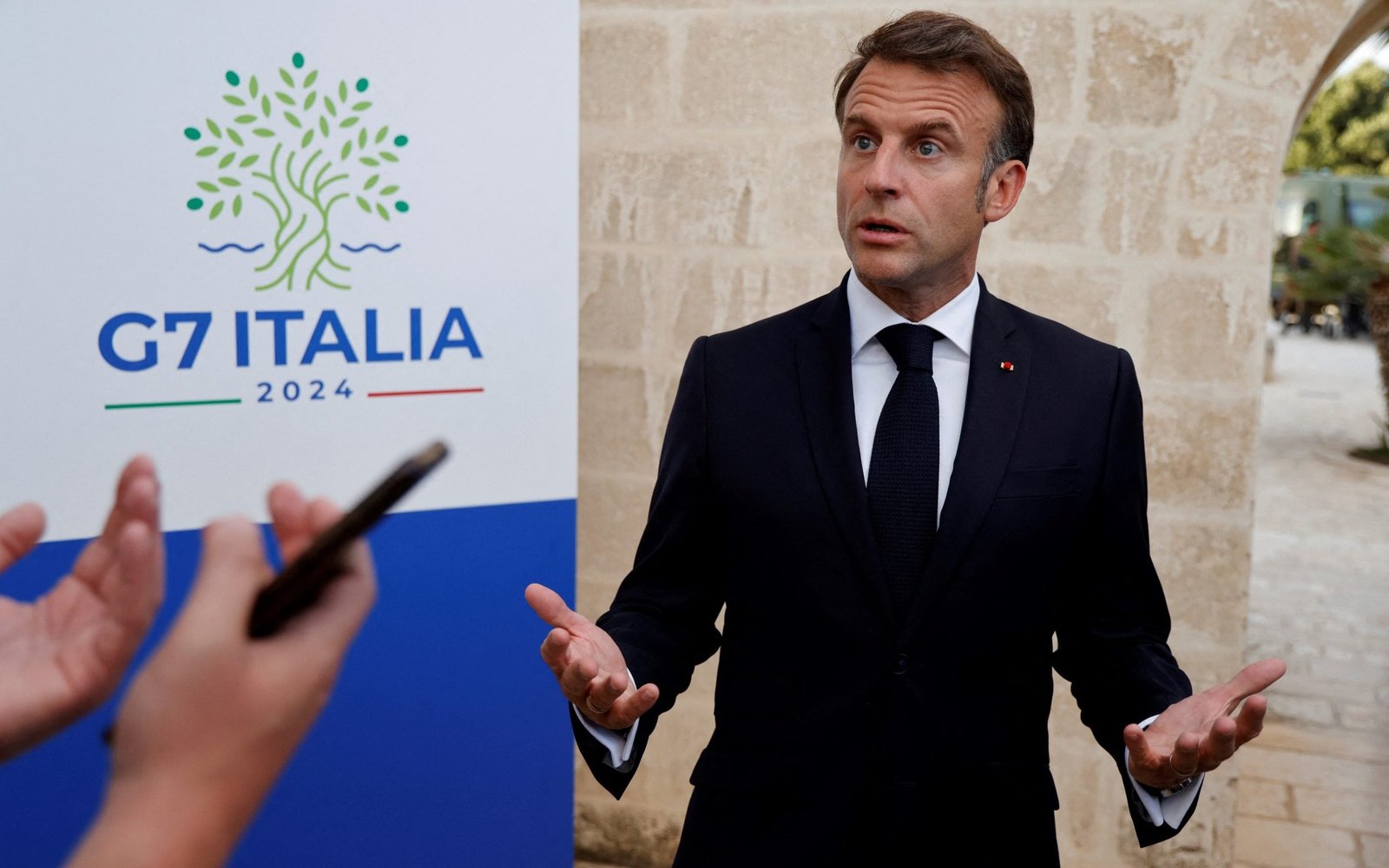
France is at risk of a financial crisis after Emmanuel Macron called a snap election, his finance minister has warned.
Bruno Le Maire raised concerns as the premium France has to pay financial markets for its sovereign debt compared to Germany hit its highest level since 2017.
France currently has to pay more than Portugal to secure its funds, Mr Le Maire warned, while its benchmark Cac 40 stock index dropped by another 2.3pc today to fall below its closing price at the end of 2023, wiping out all its gains this year.
The stock market is down nearly 6pc this week, its worst period since March 2022, when markets were upended by Vladimir Putin’s decision to invade Ukraine.
Bonds and stocks have plunged since Mr Macron gambled on calling a snap poll on Sunday in the wake of a humiliating defeat to Marine Le Pen’s far-right National Rally in the European Parliament elections.
France’s leftwing parties will reveal the political manifesto for their renewed alliance today, in a bid to challenge the far-right’s National Rally, leading the polls for upcoming snap parliamentary elections.
Asked on franceinfo radio whether the current political situation in the country could lead to a financial crisis, Mr Le Maire said: “Yes.”
Meanwhile, inflation in France rose by more than expected in May as food and energy prices ticked higher.
The consumer prices index rose by 2.3pc in May, up from 2.2pc in April, according to the national Insee statistics office.
Economists had expected inflation to remain unchanged.
Read the latest updates below.
Sunak holds bilateral meetings with India and Japan’s PMs
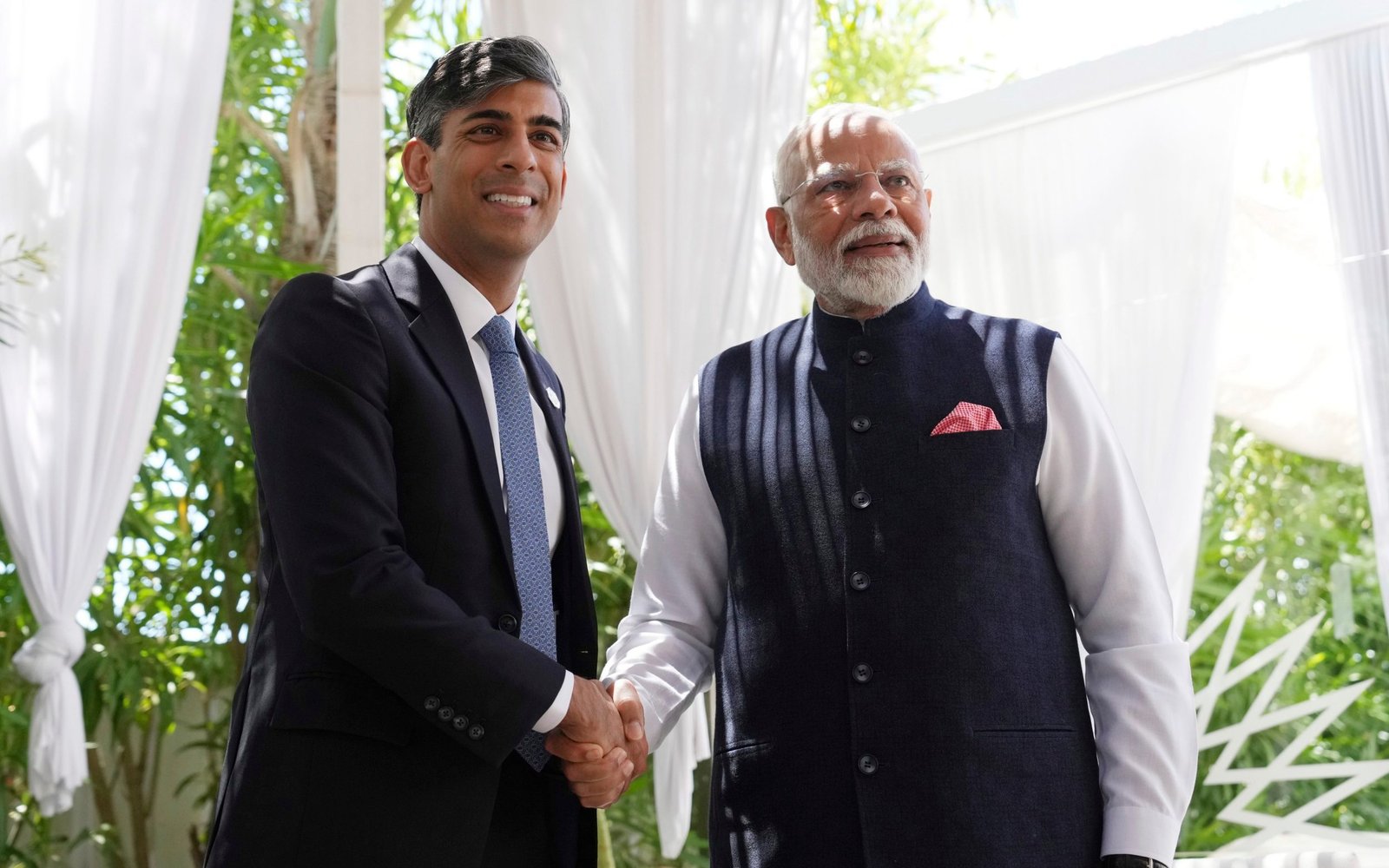
Rishi Sunak held a bilateral meeting with Indian Prime Minister Narendra Modi on the sidelines of the G7.
Mr Sunak congratulated Mr Modi, who was recently sworn in for a rare third consecutive term as India’s prime minister in a coalition government.
“Always a pleasure to see you,” Mr Sunak said as the two leaders greeted each other with a slight bow and palms pressed together.
He added: “Lots for us to discuss. Congratulations on the election and it was good to talk to you the next day.”
A Downing Street spokesperson said they discussed their “mutual commitment to the security and prosperity of both countries, and saluted the strength of their relationship”.
Mr Sunak also met with his Japanese counterpart Fumio Kishida in his first bilateral with another G7 member country’s leader during the summit in Puglia. A Downing Street spokesman said:
The Prime Minister said he looked forward to the state visit of Their Majesties the Emperor and Empress to the UK later in the month.
The two leaders reflected on the one-year anniversary of the Hiroshima Accord, the significant progress made in delivering on its commitments and discussed continued areas of deeper co-operation, including on AI.
The Prime Minister thanked Prime Minister Kishida for Japan’s steadfast support for the UK’s accession to CPTPP and reaffirmed the close friendship between the UK and Japan.
Supermarkets poised for record sales of no-alcohol beer as Euro 2024 kicks off
Supermarkets say they are ready for one of their busiest periods of the year as football fans stock the fridge to watch the Euros from home.
Tesco said it expected to sell 33m packs of beer and cider over the coming month but is also predicting it will sell 5.5m bottles and cans of “no” and “low” alcohol options – a record for a major football tournament.
The supermarket said sales figures showed beer tastes had changed considerably since the 2006 World Cup in Germany, when 80pc of all beer and cider sold in the retail trade during the tournament was lager.
For this year’s tournament, which kicks off tonight when Scotland take on hosts Germany, it expects lager to account for 50pc of sales, with the rest made up of cider, ale, stout, craft beer and “no and low” alcohol.
Wine sales are expected to top 30m bottles, alongside more than 11m pies, and more than 90,000 packs of bunting.
Tesco beer and cider buying manager James Renshaw said:
The tournament is one of the biggest sporting events on the planet and is set to create a month-long carnival-like atmosphere for millions of football fans.
But this one will be different as we predict the highest ever demand for no and low alcohol beer and cider for a major football tournament, based on the spectacular growth we have seen in the last year.

Gas prices rise amid global outages
Natural gas prices are on track for a weekly gain after unexpected supply outages and as Egypt stepped up demand to avoid power cuts.
Dutch front-month futures, the European benchmark contract, were down as much as 1.5pc today but remained on course for a weekly rise of 5pc.
Gas prices have risen by 35pc since March as Europe has become more susceptible to global disruptions after switching its imports away from Russia after Vladimir Putin’s decision to invade Ukraine.
Europe now competes for global supplies with Egypt, which is battling to avoid power cuts. Meanwhile, supply has been hit by repairs to a Chevron plant in Australia.
In the US, the impending hurricane season is expected to impact on global stocks.
Wall Street poised to fall at the opening bell
US stock indexes retreated in premarket trading, with the S&P 500 and the Nasdaq pulling back after consecutive record highs.
The S&P 500 and the Nasdaq notched record closing highs for the fourth consecutive session on Thursday, as technology shares rallied.
Data showed on Thursday producer prices unexpectedly fell in May, while another report said the number of Americans filing new claims for unemployment benefits increased last week to a 10-month high.
That helped keep alive hopes for a forthcoming interest rate cut by the Fed.
In premarket trading, the Dow Jones Industrial Average was down 0.8pc, the S&P 500 had fallen 0.5pc and the Nasdaq 100 was down 0.3pc.
Pound surges as euro hit by French political turmoil
The pound is on track for its biggest weekly gain against the euro in nearly seven months amid the political turmoil caused by the snap election in France.
Sterling was flat against the euro today at 84.1p but was on course for a gain of nearly 1pc this week, its largest move since November.
The euro has tumbled across the board this week as opinion polls project that Marine Le Pen’s far right National Rally (RN) party is on track to come out top in the French parliamentary elections.
The pound slipped 0.5pc on the day against the broadly stronger dollar towards $1.27.
The Bank of England will meet on June 20 to make its decision on monetary policy, with markets betting policymakers will hold interest rates at 5.25pc, despite the European Central Bank cutting earlier this month.
Germany expects ‘movement’ from China in EV tariff talks
Germany expects movement from Beijing in relation to negotiations over EU tariffs on imported electric vehicles from China, a government spokesman said.
Germany wants to block the European Union’s new tariffs on Chinese EVs from coming into force or at least soften them, Bloomberg News reported.
The spokesman said: “We are committed to an amicable solution, but it is clear that we expect movement from the Chinese side.”
Cac 40 slump erases gains made this year
Investors in France’s benchmark stock index have seen all its gains made this year wiped out after Emmanuel Macron’s decision to call a snap election.
The Cac 40 continued its slide today, falling by another 2.3pc in its biggest fall since July last year.
It last stood at 7,532.03, below its closing price of 7,543.18 at the end of 2023.
G7 vows action against ‘unfair’ China business practices
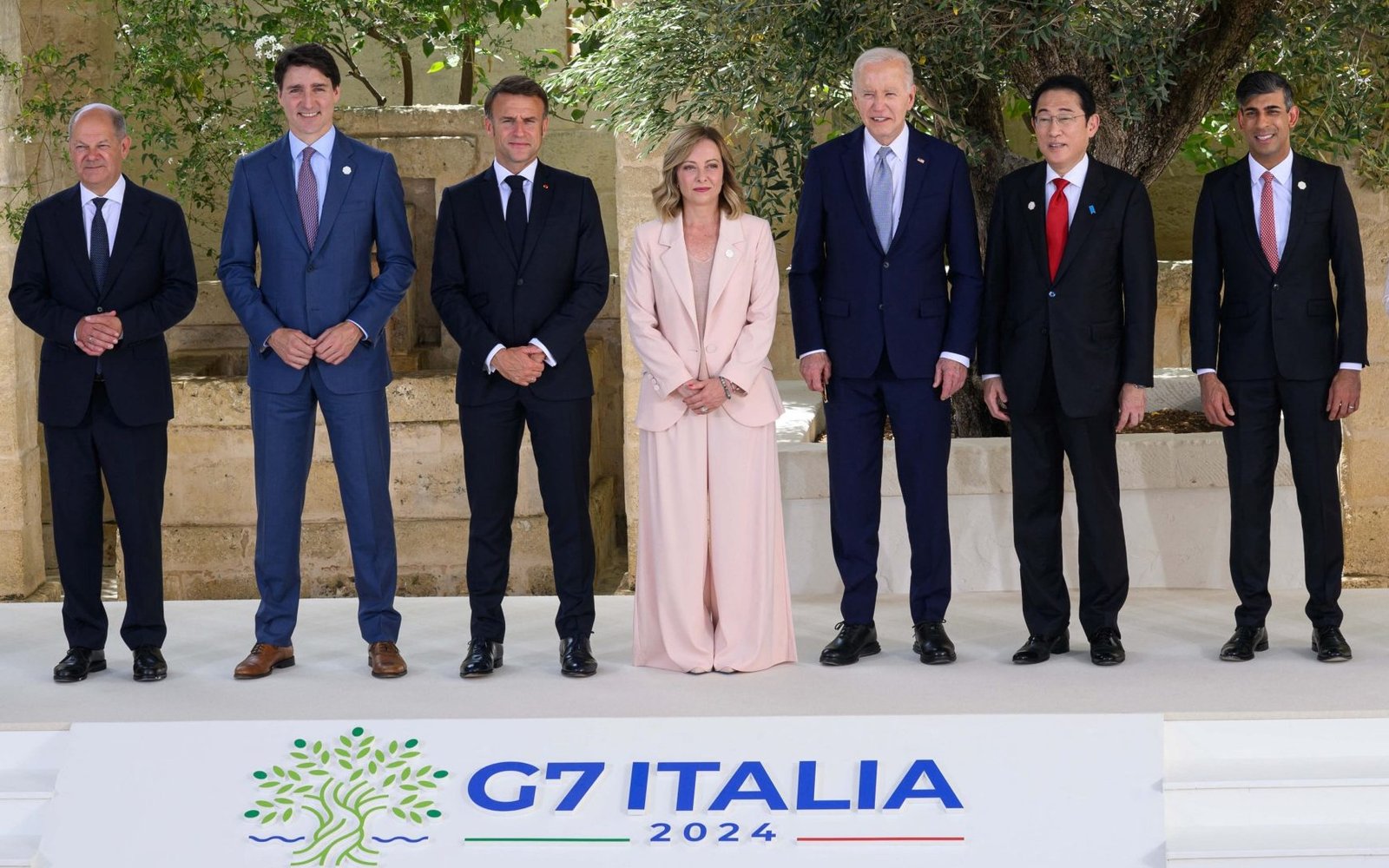
G7 leaders have vowed on Friday to “take action” and “remedy ongoing harm” to address “unfair” business practices by China, according to a draft summit statement.
They also called on China “to refrain from adopting export control measures, particularly on critical minerals”.
The leaders said they would “continue to take actions to protect our businesses from unfair practices, to level the playing field and remedy ongoing harm”, according to the text.
Oil flat amid doubts over interest rate cuts
In commodity markets, the price of oil was little changed as investors were subdued by the Federal Reserve reducing its forecast for interest rate cuts.
Brent crude was flat at just under $83 a barrel after four days of gains, with US-produced West Texas Intermediate down 0.2pc towards $78.
Falling stock markets added to the timid mood among traders amid European political uncertainty.
Yeap Jun Rong, market strategist for IG Asia, said: “Market participants are reassessing if they have got ahead of themselves as weaker-than-expected US economic conditions were presented overnight amid the recent ‘hawkish hold’ from the Fed.”
Consumers expect inflation to fall in UK, says Bank of England
British consumers are becoming more optimistic about the outlook for inflation, Bank of England figures show.
The rate of inflation is expected to fall to 2.8pc over the coming, according to consumers surveyed by the Bank.
This was down from expectations that it would be 3pc during the last survey in February.
Asked about expected inflation in following year, consumers on average predicted prices would rise at a pace of 2.6pc, down from 2.8pc in February.
Some 64pc said they thought that interest rates on things such as mortgages, bank loans and savings had risen over the past year, down from 69pc.
Competition regulator ramps up investigation into housing mega-deal
The UK’s competition watchdog has started the first formal stage of its investigation into housebuilder Barratt’s £2.5bn deal to buy rival Redrow.
The Competition and Markets Authority (CMA) said that it is looking into whether the buyout, announced earlier this year, will hurt competition, and invited further outside comments on the deal.
It comes after the CMA announced an initial probe in March. That has now stepped up into an official inquiry. The watchdog said it will report its findings by August 8.
The two housebuilders agreed an all-share deal in February which would see them become Barratt Redrow.
The new group would be expected to build about 23,000 homes a year and make more than £7bn in revenue.
They said it creates an opportunity to bring together two “highly complementary” companies and accelerate the building of “much-needed” homes across the country.
A Barratt spokesman said: “We are confident that the combination of Barratt and Redrow is in the best interests of customers and will accelerate the delivery of the homes this country needs. We look forward to working constructively with the CMA as they undertake their review.”
Redrow has been approached for comment.

French bond turmoil resembles eurozone debt crisis, says Deutsche Bank
The slump in the French debt market resembles the turmoil caused during the eurozone debt crisis, analysts have said.
The premium France pays on its debt compared to Germany is on track for its biggest weekly rise since 2011, when the likes of Greece, Portugal, Ireland, Spain, and Cyprus were unable to repay or refinance their government debt, leading to a series of bailouts.
The risk premium investors are demanding to hold French government bonds rose to its highest level since early 2017 in early trading, as President Emmanuel Macron’s grip on power weakened after left-wing parties united against him.
The difference between French and German 10-year yields rose to 77 basis points today, although yields have staged a recovery this morning.
Yields move inversely to prices and are the return that governments promise to pay buyers of their debt.
Deutsche Bank analyst Jim Reid said:
To put the current moves in some perspective, the Franco-German 10yr spread has now risen by 21.7bps since the start of the week, and even if it’s unchanged today, that would be the biggest weekly jump in the spread since the height of the sovereign debt crisis in late-2011.
To be honest, it’s hard to ignore the parallels between our current situation and the time of the sovereign debt crisis, as there’s that familiar focus on election results, sovereign bond spreads and debt sustainability, coupled with no obvious sign about where things are headed next.
Raspberry Pi surges as trading opens to retail investors
Raspberry Pi shares jumped again in early trading as they hit the open market for retail investors.
The micro computer company’s shares climbed 16pc, hitting 478p. The early high represents a more than 70pc premium on its initial public offering price earlier this week.
The shares had already surged 47pc in the three days since hitting the market on Tuesday, but until this morning trading the stock was conditional, meaning that it was only available to institutional shareholders.
Today’s early gains indicated that demand is also high among ordinary retail investors, after the IPO was hyped as a welcome victory for the London market.
Raspberry Pi listed on Tuesday with its stock valued at 280p. By the close on Thursday it was valued at 412p. Raspberry Pi said the listing would raise £166m.
It comes after the London Stock Exchange has been hit by a swathe of UK-listed companies being bought out or defecting abroad of late.
Paddy Power-owner Flutter has moved its main stock market listing to New York while German-owned Tui approved a plan to delist from London in February, and in another blow UK chip maker Arm Holdings chose Wall Street over London for its stock market return.

FTSE 100 slumps amid European political turmoil
The FTSE 100 was on course for its fifth consecutive week of declines as investors grappled with uncertainty around the outlook for interest rates and political turmoil in Europe.
The blue-chip FTSE 100 has fallen down 0.9pc so far this week, although it was last up 0.1pc in early trading.
The knock-on effects from French President Emmanuel Macron’s gamble to call snap elections are impacting markets, as well as the Federal Reserve reducing its prediction for the number of interest rate cuts it expects to make this year.
Tesco has gained 1.8pc after Britain’s biggest supermarket group reported a 4.6pc rise in underlying quarterly sales in its home market and reiterated its forecast.
Crest Nicholson jumped 9.3pc to the top of the FTSE 250 after the homebuilder said it rejected a £650m revised unsolicited proposal from rival Bellway, saying the deal “significantly undervalued” the group.
Shares of Bellway slid 2.9pc.
The FTSE 250 midcap index was little changed and set for a third straight week of losses.
Markets fear break up of eurozone, say economists
The gloomy picture for French stock and bond markets is a result of fears that a far-right government could trigger a credit downgrade in Europe’s second largest economy and the breakup of the eurozone, economists have said.
Mohit Kumar, chief Europe economist at Jefferies, said:
Upcoming elections in France continue to dominate European markets.
Latest opinion polls suggest that Le Pen’s party (RN) is likely to emerge as the single largest party in the Parliamentary elections, but fall short of an absolute majority.
If Le Pen manages to form a coalition, there is a possibility that a far right candidate could become the next Prime Minister of France.
This would be at a time when the French deficit and debt picture is already looking weak.
Debt to GDP is close to 110pc while deficit stands at 5.5pc and is unlikely to come below the 3pc target over the next five years.
Market concerns range from a stalling of the reform process, possible rating downgrades to increasing concerns over talk of a breakup in the euro area.
French stocks plunge amid election fears and inflation blow
European stock markets extended losses at the open at the end of a chaotic week in French politics following the far right’s major gains in European Parliament elections.
The Paris Cac 40 fell 1.1pc to 7,626.21 as investors fretted over French President Emmanuel Macron’s decision to call snap elections following his centrist party’s defeat in the last weekend’s European Union vote.
Traders also digested data showing French inflation accelerated to 2.3pc in May, up from 2.2pc in April.
Frankfurt’s DAX shed 0.3pc to 18,217.60 points.
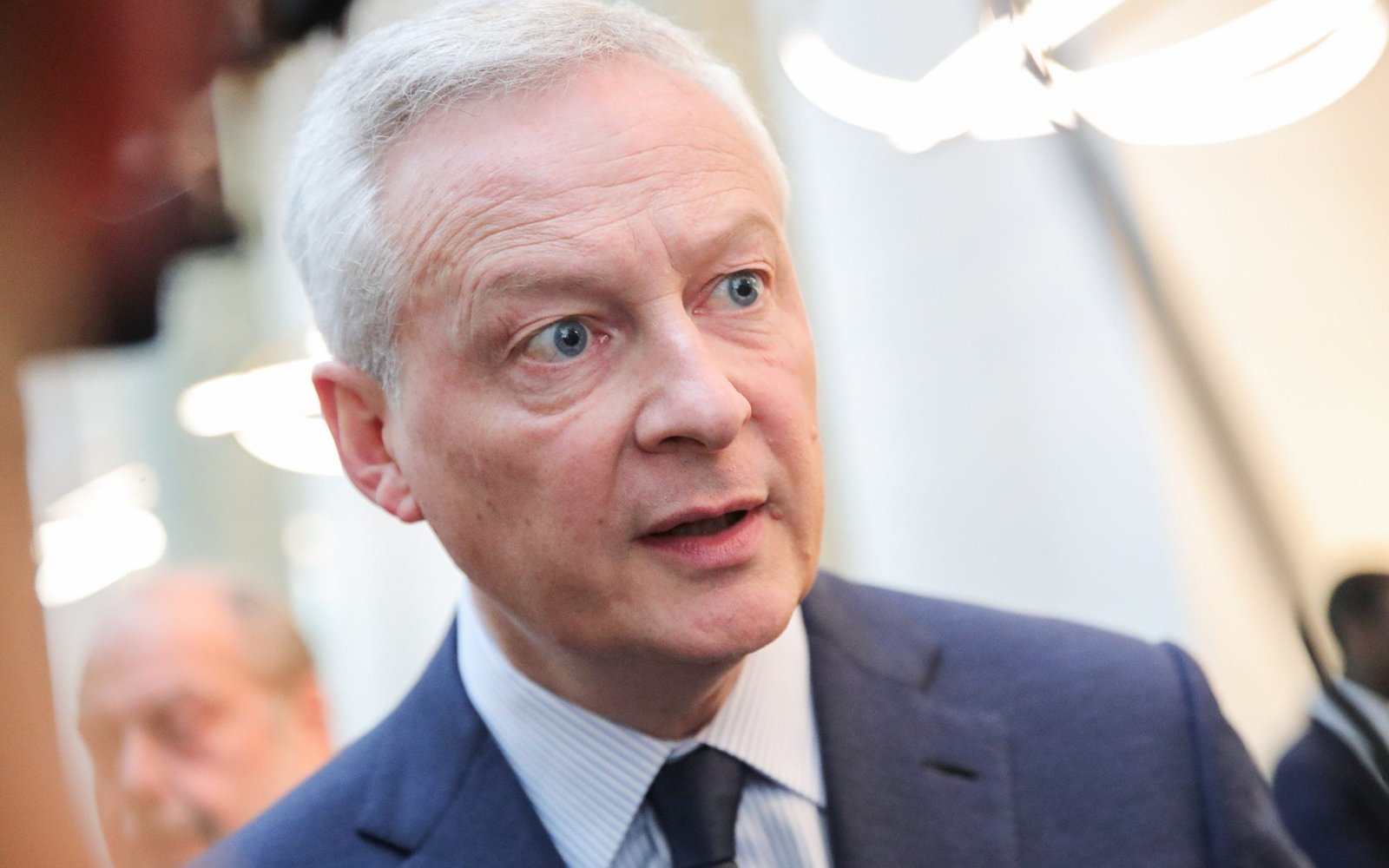
Macron snap election risks financial crisis, says French minister
France is at risk of a financial crisis after Emmanuel Macron called a snap election, his finance minister has warned.
Bruno Le Maire raised concerns as the premium France has to pay financial markets for its sovereign debt compared to Germany hit its highest level since 2017.
France currently has to pay more than Portugal to secure its funds, Mr Le Maire warned, a day after its flagship Cac40 index fell by the most since July last year.
Markets have plunged since Mr Macron gambled on calling a snap poll on Sunday in the wake of a humiliating defeat to Marine Le Pen’s far-right National Rally in the European Parliament elections.
Asked on franceinfo radio whether the current political situation in the country could lead to a financial crisis, Mr Le Maire said: “Yes.”
Meanwhile, inflation in France rose by more than expected in May as food and energy prices ticked higher.
The consumer prices index rose by 2.3pc in May, up from 2.2pc in April, according to the national Insee statistics office.
Economists had expected inflation to remain unchanged.
UK markets muted at the open
UK stocks were subdued as trading began after the Bank of Japan held interest rates steady and said it would unwind its bond-buying programme.
The FTSE 100 has risen 0.1pc to 8,170.22 while the midcap FTSE 250 was little changed at 20,200.04.
UK markets are less exposed to technology stocks and are less impacted by Wall Street’s continued frenzy around artificial-intelligence technology, which nudged US indexes to more records on Thursday.
Japan stocks jump after interest rate decision
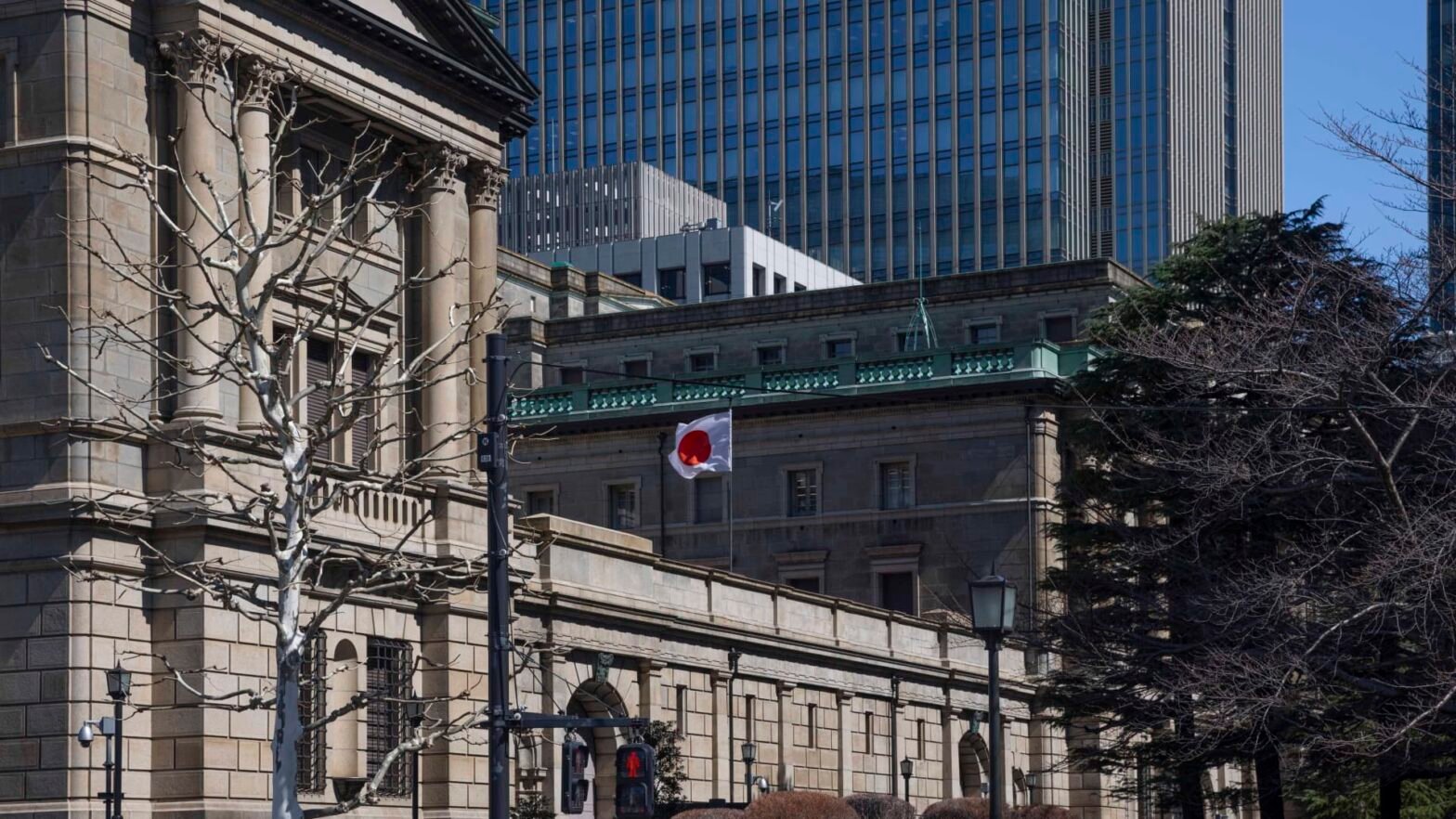
Tokyo stocks ended higher after the Bank of Japan said it would trim its vast hoard of government bonds and kept interest rates unchanged.
The benchmark Nikkei 225 index was up 0.2pc, or 94.09 points, to 38,814.56, while the broader Topix index added 0.5pc, or 14.83 points, to 2,746.61.
The Bank of Japan kept interest rates unchanged after a two-day meeting but announced plans to “reduce its purchase amount of JGBs (Japanese Government Bonds) thereafter to ensure that long-term interest rates would be formed more freely”.
“A detailed plan” for the reduction “during the next one to two years or so” will be decided at the next policy meeting in July, it said.
While the move had been widely expected, observers said the decision to defer action until next month weighed on the yen, pushing it towards 158 per dollar, from around 157.20.
However, news that borrowing costs would not go up for now lifted the benchmark Nikkei index as much as 0.7pc in the afternoon, having been flat at the break.
The BoJ raised rates in March for the first time since 2007 as it seeks to normalise policy without destabilising the world’s fourth-largest economy.
Today’s move marks another step away from more than two decades of quantitative easing designed to banish stagnation and harmful deflation.

French inflation rises more than expected as economy reels
French inflation rose by more than expected last month as its economy has been put in turmoil by Emmanuel Macron’s decision to call a snap election.
The consumer prices index rose by 2.3pc in May, up from 2.2pc in April, according to the national Insee statistics office.
Economists had expected inflation to remain unchanged. The rise blamed on an uptick in the price of food and a rise in energy prices.
It comes as the premium France has to pay financial markets for its sovereign debt compared to Germany is at its highest level since 2017 after Emmanuel Macron called a parliamentary election that it is feared could be won by the far-right.
France currently has to pay more than Portugal to secure its funds, Finance Minister Le Maire said.
Asked on franceinfo radio whether the current political situation in the country – facing snap elections after President Emmanuel Macron dissolved the National Assembly – could lead to a financial crisis, Le Maire said ‘yes’.
Stock markets in France fell 2pc on Thursday amid rising fears over the political direction of Europe and the possible election of Marine Le Pen.
The Cac 40, representing France’s biggest listed companies, and the Dax, representing Germany’s, fell by the most since July last year.
The risk of a populist government in France is also fuelling a spike in the yields of government bonds.
The difference in the yield on France’s 10-year bonds and Germany’s bund also reached its widest point since 2017.
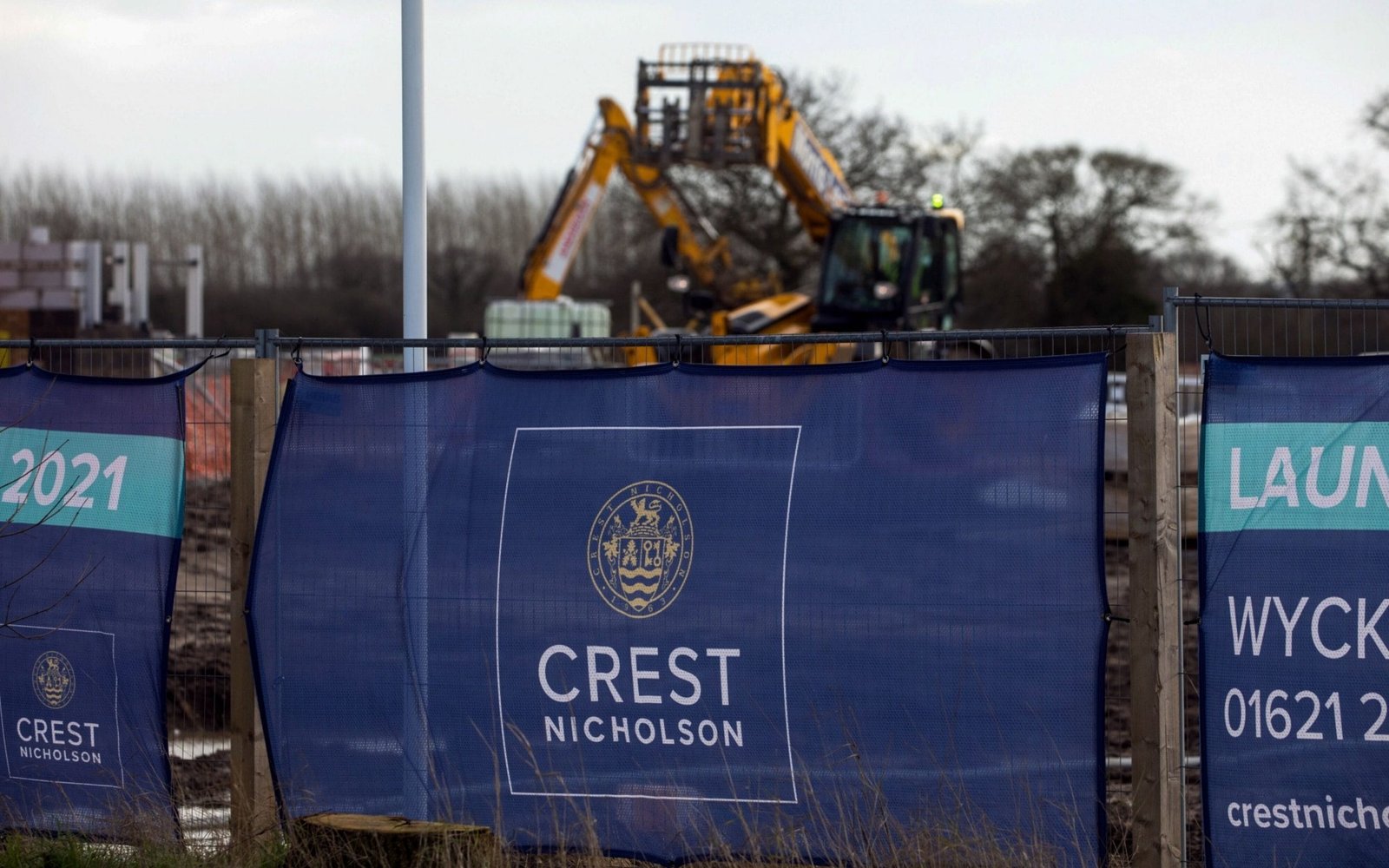
Crest Nicholson rejects £650m takeover by Bellway
Housebuilder Crest Nicholson has confirmed that it rejected a £650 million takeover attempt by rival Bellway last month.
The London-listed developer said the offer, worth 253p per share, would have left its shareholders with about 17.1pc of the new company.
The bid also represented a premium of about 18.8pc on Crest Nicholson’s share price of 213p at the close of business yesterday, it said.
The board said the offer “significantly undervalued Crest Nicholson and its future standalone prospects”, so rejected it on May 14.
Bellway confirmed yesterday that it had made an unsuccessful takeover offer for Crest Nicholson.
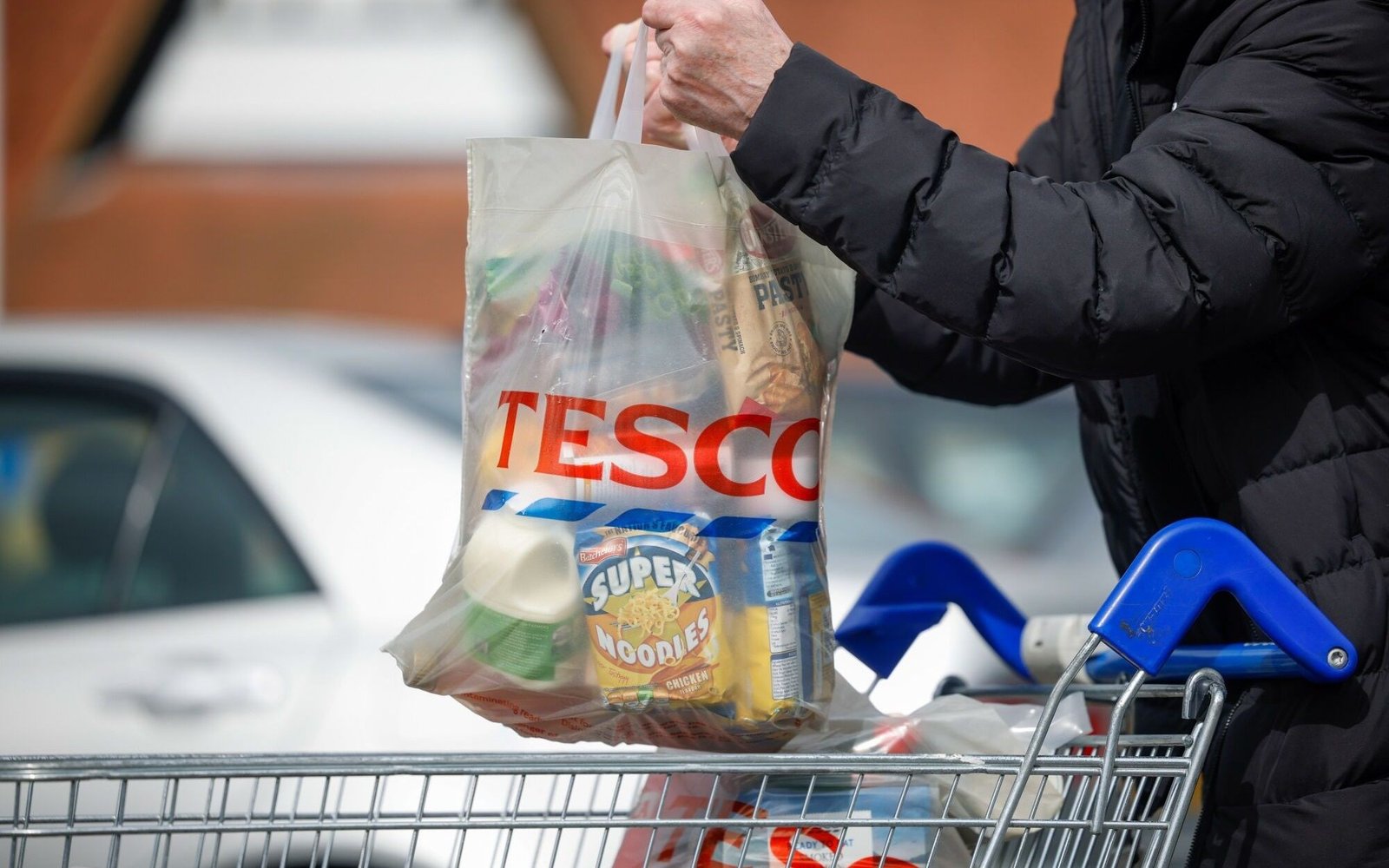
Grocery shopping rises amid easing inflation, says Tesco
Tesco has revealed a “strong” increase in the amount of groceries bought by British shoppers in the latest quarter as inflationary pressures eased.
The UK’s largest supermarket firm revealed total retail sales grew by 3.4pc to £15.3bn in the 13 weeks to May 25, compared with the same period last year.
This came on the back of a 5pc increase in food sales, with high demand for fresh produce helping to drive higher sales volumes.
Ken Murphy, chief executive of Tesco, said:
We’ve continued to build momentum in the business, with strong volume growth across the UK, Republic of Ireland and Central Europe supported by easing inflation.
We continue to be the cheapest full-line grocer and are the most competitive we’ve ever been, with our value, product quality and service driving better brand perception and customer satisfaction.
Our market share reflects this, growing more than at any other time in the past two years, with customers switching to us from other retailers, shopping with us more often and with more in their baskets.
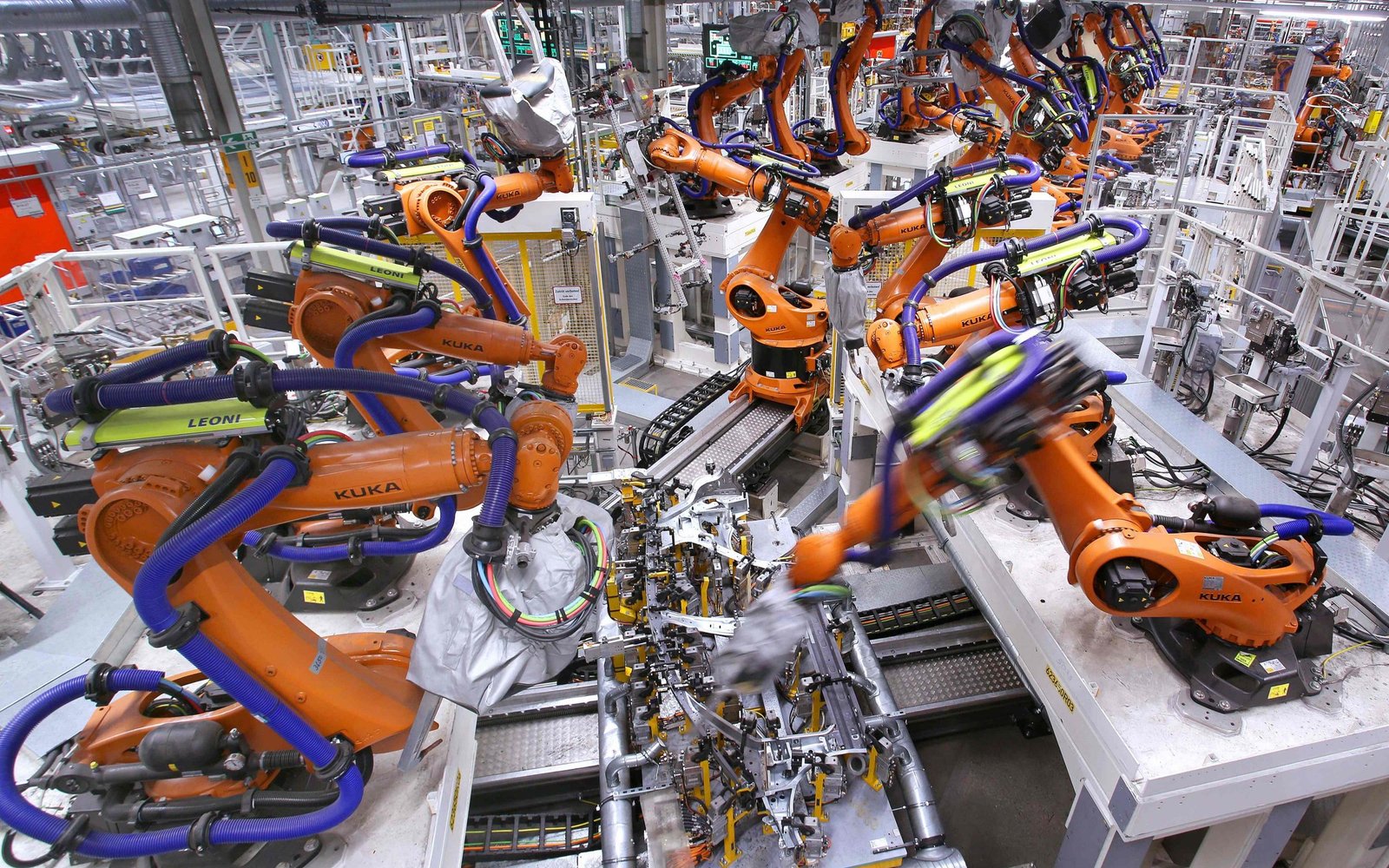
Germany battles to block Brussels clampdown on Chinese EVs
Germany is reportedly attempting to prevent the European Union’s new tariffs on Chinese electric vehicles from coming into force or at least soften them.
German government officials are optimistic that the EU will be able to find a solution in direct talks with China, according to Bloomberg News.
German carmakers will be the most exposed to any retaliatory moves from Beijing as almost a third of their sales came from China in 2023, trade data shows.
China threatened legal action against the EU on Thursday in the wake of the new tariffs, saying it “reserves the right” to file a suit with the World Trade Organisation.
The European Union warned this week it would slap additional tariffs of up to 38pc on Chinese electric car imports from next month after an anti-subsidy investigation.
Good morning
Thanks for joining me. We begin with Germany, where officials are aiming to water down the EU’s plans for tariffs on China’s electric vehicles.
Government officials are aiming to find a solution in direct talks with China, according to Bloomberg News, after the EU proposed additional tariffs of up to 38pc on Chinese electric car imports.
5 things to start your day
1) Almost one million people claim mental health benefits since lockdown | Behavioural and mental disorders are biggest driver of Universal Credit health claims
2) Bellway confirms £650m bid for rival housebuilder amid property slump | The rejected offer emerged on the same day Crest Nicholson announced losses
3) Late Queen’s favourite marmalade maker posts loss for first time ‘in memory’ | ‘Churchill would have an appropriate saying for the adversity we faced’, says Wilkin & Sons chairman
4) Bankers sacked for faking work following rise of ‘mouse jigglers’ | Wells Fargo is said to have begun monitoring employees’ activity during the pandemic
5) Ben Marlow: Of course Musk’s $56bn pay day is obscene but he still deserves it | The Tesla owner is entitled to be paid in full – even if the sum is grotesque
What happened overnight
Asian shares were mixed in muted trading after the Bank of Japan kept its monetary policy intact.
Japan’s benchmark Nikkei 225 jumped 0.7pc to 38,998.04 after the Bank of Japan said it intends to begin reducing its government bond purchases as it eases itself out of its ultra-loose monetary policy.
It said a “detailed plan” for the reduction “during the next one to two years or so” will be decided at the next policy meeting in July.
Australia’s S&P/ASX 200 fell 0.3pc to 7,724.70. South Korea’s Kospi edged up 0.2pc to 2,759.98. Hong Kong’s Hang Seng slipped 0.5pc to 18,030.33, while the Shanghai Composite fell 0.1pc to 3,025.39.
In America, the S&P 500 and Nasdaq recorded their fourth consecutive record closing highs yesterday and US Treasury yields touched their lowest levels since early April as investors reconciled cooler-than-expected inflation data with tempered rate-cut expectations from the Federal Reserve.
The Dow Jones Industrial Average of 30 leading US companies, however, fell 0.2pc, to 38,647.04, but the S&P 500 gained 0.2pc, to 5,433.74 and the Nasdaq Composite index added 0.3pc, closing at 17,667.56.
Benchmark 10-year US Treasury bonds yielded 4.2442pc, from 4.295pc late on Wednesday.

![i’m-nervous,-too!-[part-2]](https://10xwealthreport.com/wp-content/uploads/2026/03/177042-im-nervous-too-part-2-1568x784.jpg)