Surprising markets across the globe, US President Donald Trump on Monday announced sweeping new tariffs on imports from 14 countries, including key Asian economies such as Japan and South Korea. He, however, extended the deadline for tariffs until August 1.
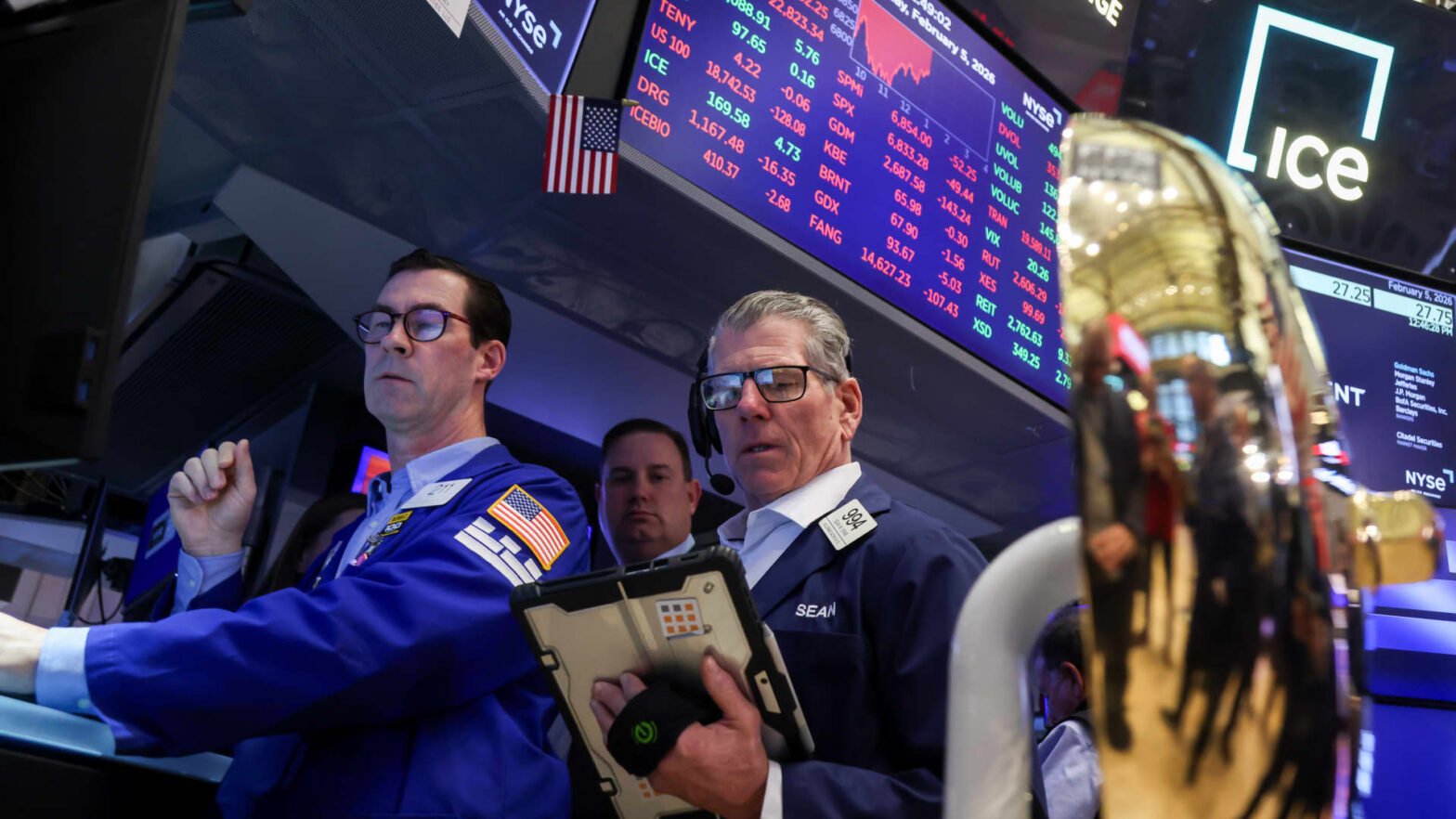
Following the announcement, major indices on the Wall Street ended sharply lower. Rising uncertainty over the direction of Trump’s tariffs and their impact on global economic growth infused volatility in Asian and European markets.
Indian stock market benchmarks, the Sensex and the Nifty 50, ended with mild gains after a rangebound trade. Japan’s Nikkei rose 0.25 per cent, but Korea’s Kospi surged 1.8 per cent.
Trump’s tariff deadline extensions: What does it mean for the US markets?
Experts believe the ripple effect of Trump’s tariff deadline extension will likely impact global investors in the coming weeks, not only the US stock markets.
While the stock market globally could see increased volatility, it is crucial for investors to understand what this extension could mean for their portfolios.
“The news of the tariff delay has caused considerable uncertainty in financial markets. Beyond immediate market reactions, the implications of this tariff extension are more profound. For investors, the situation raises critical questions about global trade relations, economic stability, and potential long-term effects on supply chains,” Fei Chen, Investment Strategist, Founder & CEO of Intellectia AI, noted.
Some experts see Trump’s latest move as more than a temporary relief. It also indicated that the trade war is likely to linger for a longer period.
“It is also a signal that the trade war is far from over. Investors need to assess how global supply chains could be further disrupted and consider hedging strategies to protect their portfolios from potential market shocks,” Chen said.
In the context of the US, the development could create a complex situation.
The US Federal Reserve Chair Jerome Powell has been flagging increased inflation risk due to tariff uncertainty. As the deadline has been extended, the impact of the trade war in the US will be visible much later than expected. This means the Fed may want to keep rates unchanged for a longer period.
Another key point to consider is that the recently passed One Big Beautiful Bill Act may significantly widen the US fiscal deficit, with projections of an additional $3–$3.4 trillion in national debt over the next decade. This could push borrowing costs higher and weigh on global investor sentiment.
With the extension of tariff deadlines, hopes are rising that trade negotiations will gain fresh momentum. However, this optimism hangs by a thin thread due to uncertainty over the terms under which US trade with its partners will be conducted.
A prolonged phase of uncertainty could also dent corporate profitability as tariff uncertainty may weaken consumer demand and impede economic growth.
Higher inflation, concerns over ballooning US debt and signs of economic weakness could weigh on the US dollar and augur well for emerging market like India.
Read all market-related news here
Read more stories by Nishant Kumar
Disclaimer: This story is for educational purposes only. The views and recommendations expressed are those of individual analysts or broking firms, not Mint. We advise investors to consult with certified experts before making any investment decisions, as market conditions can change rapidly and circumstances may vary.