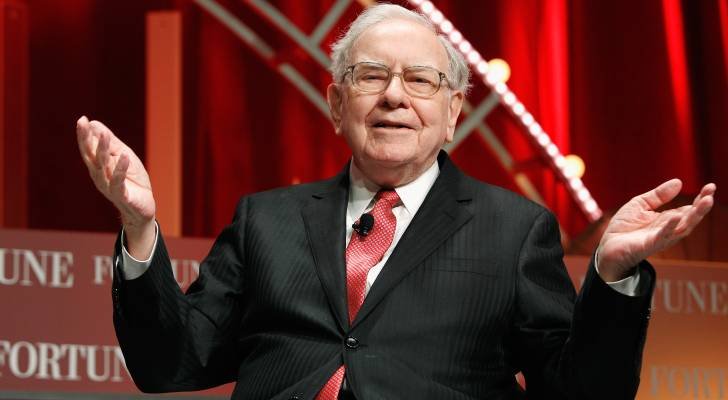

When it comes to investing, few command more respect than Warren Buffett. The reason is simple: from 1964 to 2023, his company, Berkshire Hathaway, delivered an astonishing overall gain of 4,384,748%.
That kind of success has created immense wealth for its shareholders — including Buffett himself. Forbes estimates his net worth at $143.5 billion, placing him among the world’s richest individuals.
-
Rich, young Americans are ditching the stormy stock market — here are the alternative assets they’re banking on instead
-
Trump says trade tariffs could hit Canada, Mexico and China as early as Feb. 1 — but US economists warn it could effectively ‘tax’ Americans instead. Here’s why and how to protect your money ASAP
-
These 5 magic money moves will boost you up America’s net worth ladder in 2025 — and you can complete each step within minutes. Here’s how
But the stock market is unpredictable, and not everyone shares Buffett’s track record. We’ve all heard cautionary tales of investors losing fortunes chasing stock tips.
Buffett believes many investors fall into a fundamental trap. In an interview with Yahoo Finance, Buffett was asked what he sees as the biggest mistake investors make.
His response was immediate: “They just don’t realize that all you have to do is just buy a cross section of America, and they never listen to people like me or read the papers or do anything subsequently. They think that because you can trade, you should trade.”
Put simply, investors trade too often. Buffett attributes this issue to the stock market’s low transaction costs compared to other asset classes.
“You buy a farm, you buy an apartment house, you can’t resell it tomorrow [because of] the cost of moving around. Now you get something handed to you — liquidity, which in an instant, you can sell, and the cost of doing it are pennies compared to other kinds of investment activity. So because they can so easily move around, they do move around and moving around is not smart in investing,” he explained.
In other words, just because you can trade frequently doesn’t mean you should.
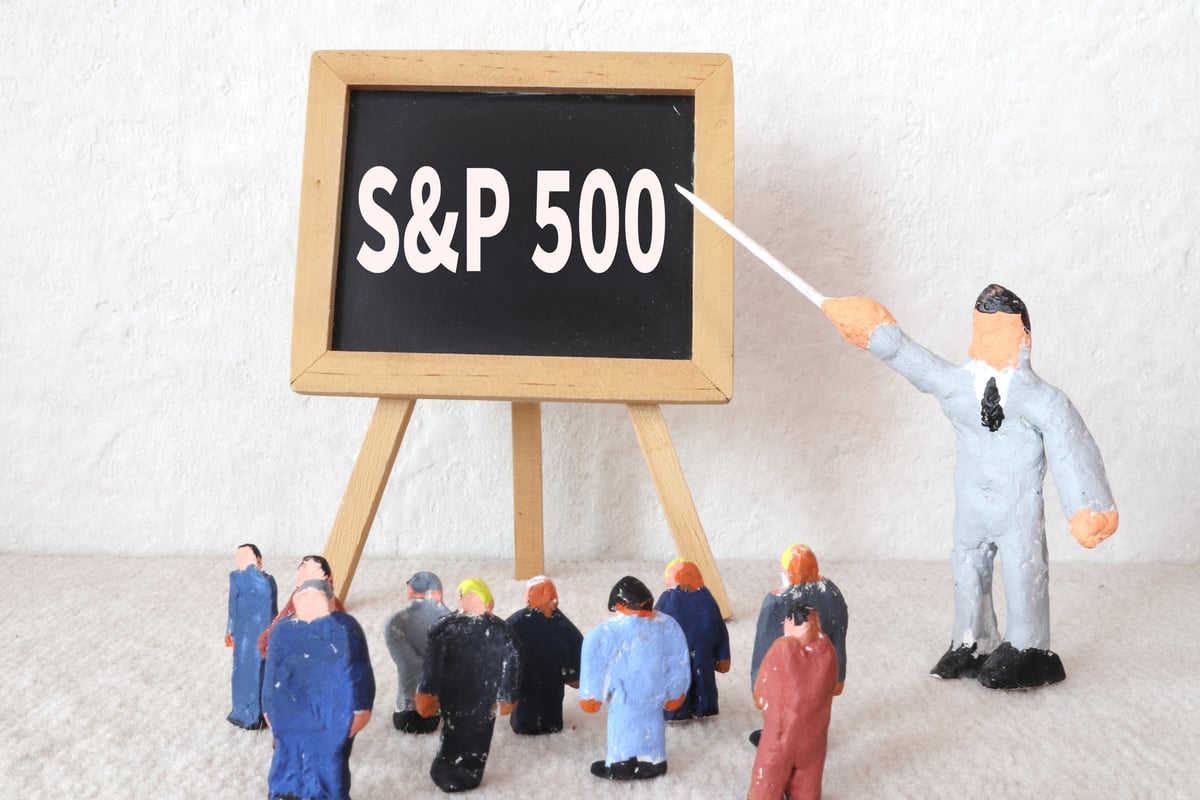
Buffett’s message is clear — long-term success in investing doesn’t require constant buying and selling. Instead, he advocates owning a “cross section of America.”
This philosophy stems from his unwavering confidence in the U.S. economy.
“American business — and consequently a basket of stocks — is virtually certain to be worth far more in the years ahead,” Buffett wrote in his 2016 letter to shareholders.
Berkshire’s own investment strategy reflects this belief. Its $295-billion equity portfolio is heavily weighted towards American companies across diverse industries, reinforcing Buffett’s faith in the nation’s long-term economic strength.




![i’m-nervous,-too!-[part-2]](https://10xwealthreport.com/wp-content/uploads/2026/03/177042-im-nervous-too-part-2-1568x784.jpg)