Lloyd Lee,Tristan Anthony
2 min read
-
The US and Iran failed to reach an agreement on Saturday after marathon peace talks in Pakistan.
-
The two-week ceasefire has yet to restore normal shipping in the Strait of Hormuz.
-
Here’s how smart people in business are responding to the development.
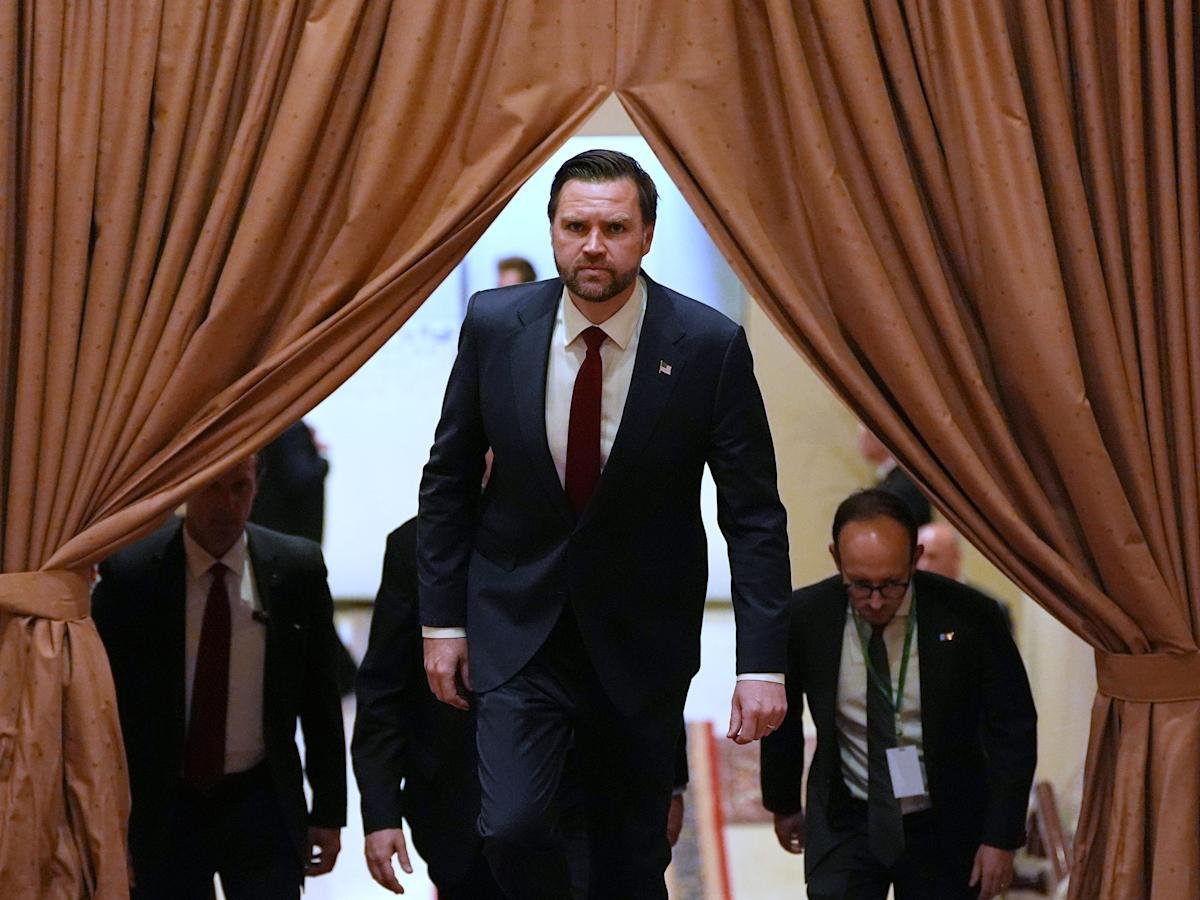
The US and Iran remained at a standstill after 21 hours of peace talks between the two delegations failed to reach an agreement, Vice President JD Vance announced at a press conference in Islamabad early on Sunday.
Here’s what people in business are saying about the failed negotiations.
Patrick De Haan, head of petroleum analysis at GasBuddy, wrote on X that the lack of a peace deal likely means oil prices will continue to rise as the Strait remains under Iran’s control.
“With the US not coming to agreement or terms with Iran, it is likely that the Strait will remain under their control and that oil prices and thus gasoline, diesel and jet fuel prices keep rising due to the likely continued closure of the Strait,” he wrote, later adding, “Not looking good for fuel prices globally.”
Marko Kolanovic, former JPMorgan chief market strategist, wrote in an X post: “The peace deal that I identified as unrealistic (i.e. fake when announced) caused Oil to drop ~15%, broad stock to rally ~5%, tech momentum stocks ~25%. Now exposed as such – Oil and stocks should retrace that move (+75mb of Oil was lost in time wasted). Crash is quite possible.”
In a reply on X to a post that questioned JD Vance’s assertion that the talks failed over Iran’s nuclear ambitions, Kolanovic said: “Exactly, hence likely no taco as they are already selling to public why it failed. It’s his famous ‘nuclear west in supermarket’ and how he justifies war to himself. I’m sure Iran would have agreed with favorable hormuz/sanctions outcome.”
Kyle Rodda, analyst at Capital.com, told Bloomberg: “The key question for Monday is whether markets interpret this as a temporary breakdown in negotiations or a structural collapse of the ceasefire framework. That distinction will determine whether the risk-off move fades quickly or extends further.”
Charu Chanana, chief investment strategist at Saxo Markets, was quoted by Bloomberg as saying: “The talks ending without a deal is a setback. For markets, this means the relief trade is likely to fade. Oil may see fresh gains, risk sentiment takes a hit again, and Hormuz is likely to remain a live choke-point risk even if it is not fully shut.”
Read the original article on Business Insider