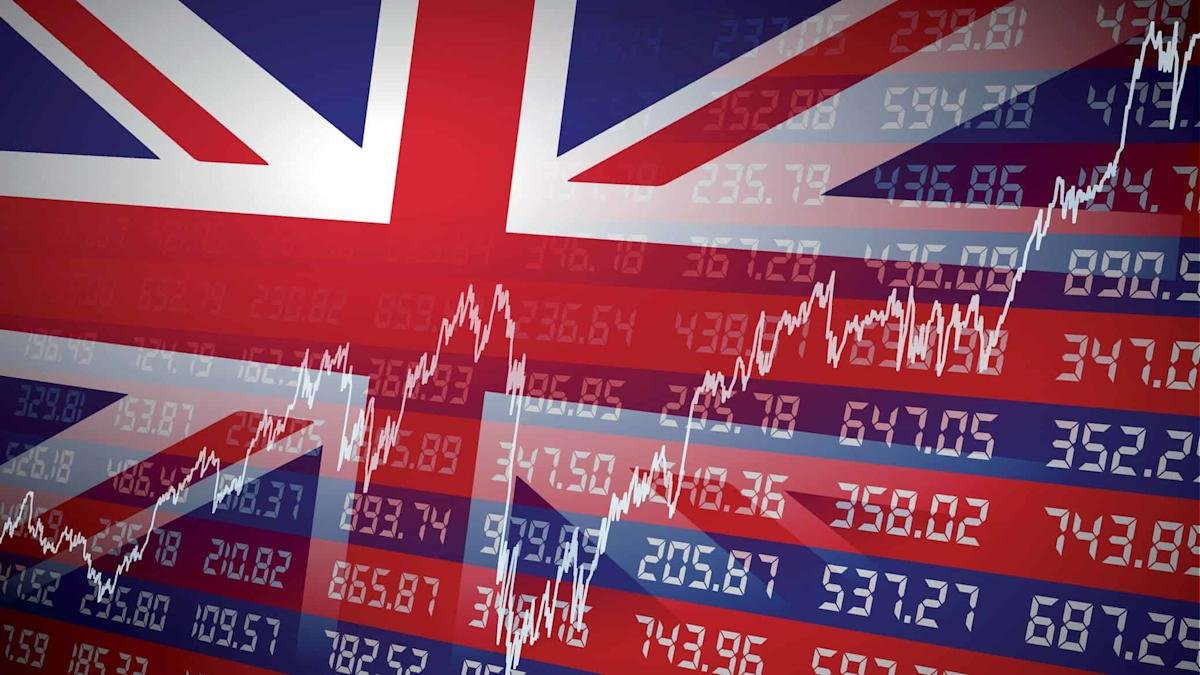
UK shares have been slumped in recent weeks as geopolitical tensions rattle markets. The FTSE 100 has suffered a correction, defined as a fall of at least 10% in a short period.
Stock market dips happen. It’s unsettling, but it’s part of the deal. Some investors will be tempted to sell and cut their losses. Others will be eyeing potential bargains. So what’s the best strategy?
At The Motley Fool, we believe short-term market volatility is the price investors pay for the superior long-term returns equities have historically delivered. Shares don’t move in straight lines — they climb, wobble, and occasionally plunge.
Money needed in the next couple of years shouldn’t be in the stock market. But long-term money, such as retirement savings, will work a lot harder in equities.
Investors can turn market dips to their advantage, by picking up cut-price shares. They’ll bag lower valuations, and higher yields too.
It takes nerve though, especially today. That said, it took nerve to buy shares during the 2020 Covid crash, Russia’s invasion of Ukraine in 2022, and Donald Trump’s ‘liberation day’ tariff threats last year. Each time, investors who held firm were rewarded. But is this time different?
There are clearly risks, but there are also some really tempting targets. Around a dozen FTSE 100 stocks have fallen 20% or more in a matter of weeks. Instead of going all in, a sensible approach might be to drip-feed money into equities over time. That way, investors can take advantage of lower prices without committing everything at once.
Stock selection matters too. One FTSE 100 name that’s done well for me lately is pharmaceutical giant GSK (LSE: GSK). It’s been through a long rebuilding phase, with management freezing dividends and diverting the savings into strengthening its pipeline of drugs and vaccines, to build future revenues.
Its strategy was starting to bear fruit before the Middle East exploded. The GSK share price has slipped around 7% in the past month, broadly in line with the wider FTSE 100. Yet it’s still up almost 40% over the last year. The recent pullback may offer a potential entry point.
The price-to-earnings ratio sits at around 11.9, which suggests the stock still offers decent value. That’s not just down to geopolitics, it’s been low for some time. Investors may simply be reluctant to push the shares higher.
The dividend yield stands at roughly 3.2%. Income investors may need to temper their expectations here. Or track down higher yields elsewhere. There are plenty about.
There are risks. Drug development is costly and uncertain, US tariffs are a concern, and competition is intense. But for me, GSK looks like a solid long-term holding. Not the most exciting UK stock, but one that can play a useful role in a balanced portfolio alongside higher-growth or higher-yielding names.



![i’m-nervous,-too!-[part-2]](https://10xwealthreport.com/wp-content/uploads/2026/03/177042-im-nervous-too-part-2-1568x784.jpg)