Wall Street has spent the past week treating the Iran war like a nasty headline cycle: alarming and expensive — but maybe still survivable with enough denial and a functioning commodities desk. JPMorgan Chase, though, just gave that anxiety a number.
Bloomberg reported Monday that Andrew Tyler, the bank’s head of global market intelligence, has turned “tactically bearish” and warned that U.S. stocks aren’t prepared for a full correction as the war in Iran drags on and oil hits above $100 a barrel. To Tyler, that means the S&P 500 is at risk of falling about 10% from its peak to roughly 6,270, even as his position stayed predominantly neutral with no extreme de-risking.
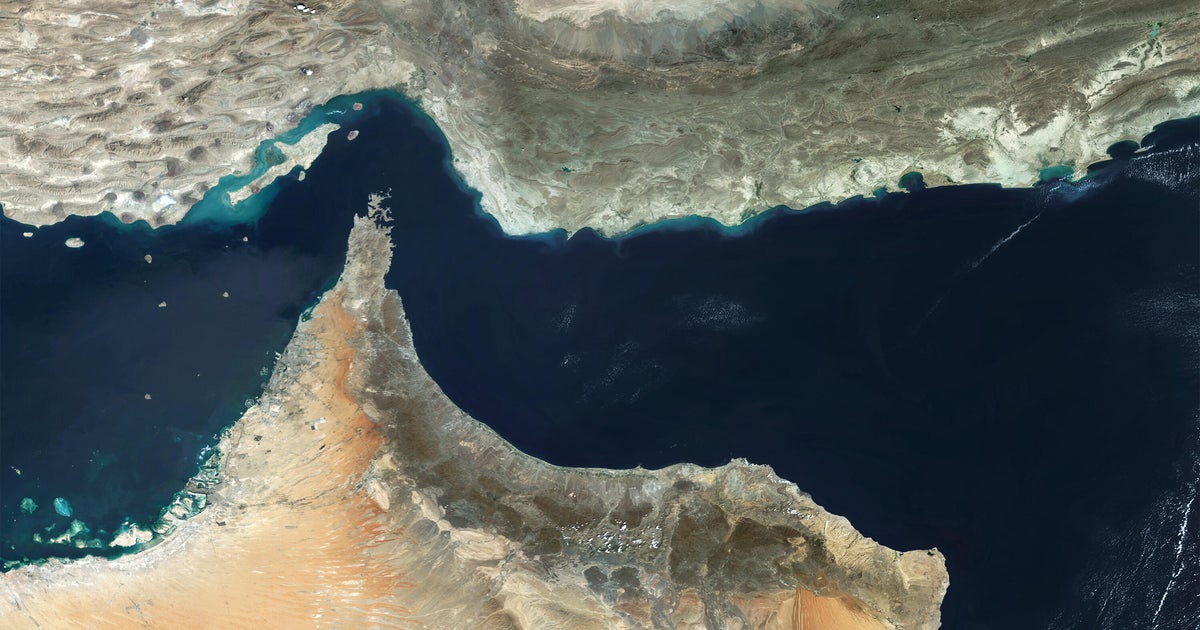
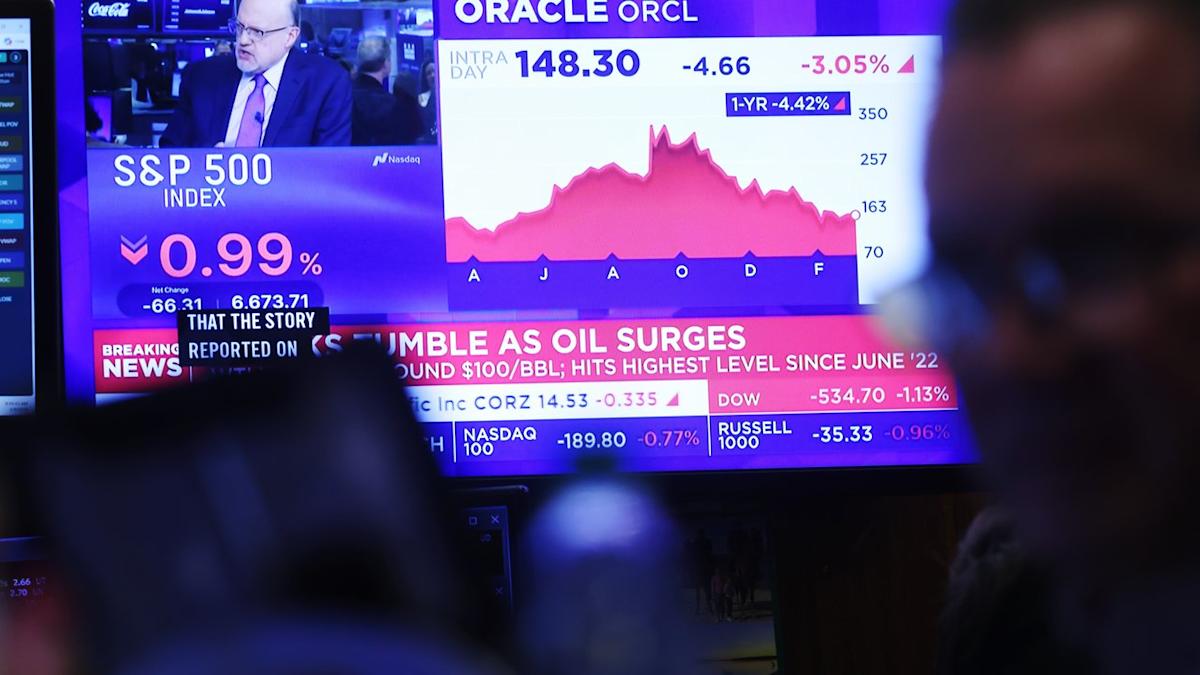
The market, so far, has looked almost suspiciously relaxed — minus a few blips and dips. Even Goldman Sachs CEO David Solomon has been surprised by Wall Street’s “benign” reaction to the conflict. So why the sudden nerves? Well, oil is continuing to do its best impression of a wrecking ball. Crude surged to $120 a barrel Monday, as the war widened and shipping through the Strait of Hormuz got pressured. U.S. stock futures fell, the VIX climbed to 31.45, and even the Russell 2000 briefly hit correction territory.
This has been building. West Texas Intermediate crude jumped 35% last week — its biggest weekly rise since the contract launched in 1983 — but the S&P 500 fell only 2%, and the Nasdaq only dropped a little more than 1%. The mismatch has started to look less like resilience and more like investors assuming that this will all behave like just about every other geopolitical scare that burns hot, rattles headlines, and then neatly exits stage left.
The awkward part for JPMorgan is that its own house was saying something a lot calmer only days ago.
On Friday, the bank’s analysts described the typical major geopolitical shock as a 5%–6% drawdown that gets clawed back within a few weeks. They even wrote that there is “a tendency among macro strategists to dismiss geopolitics and oversimplify the response: just buy the dip,” before concluding that “the current episode with the Iran invasion is indeed a buy-the-dip scenario.”
JPMorgan’s tone has been shifting by the day. Last Monday, JPMorgan strategist Mislav Matejka wrote that the “current geopolitical escalation should ultimately be an opportunity to add, as fundamentals are positive,” and said investors with a longer horizon should be “using the weakness to add into.” A week later, Matejka’s tone had darkened: “Things might need to get worse before they can get better,” he wrote, even as he argued that the selloff may still have a “relatively limited lifespan” measured in “days/weeks, rather than months/quarters.”