Matthew Thomas
4 min read
In This Article:
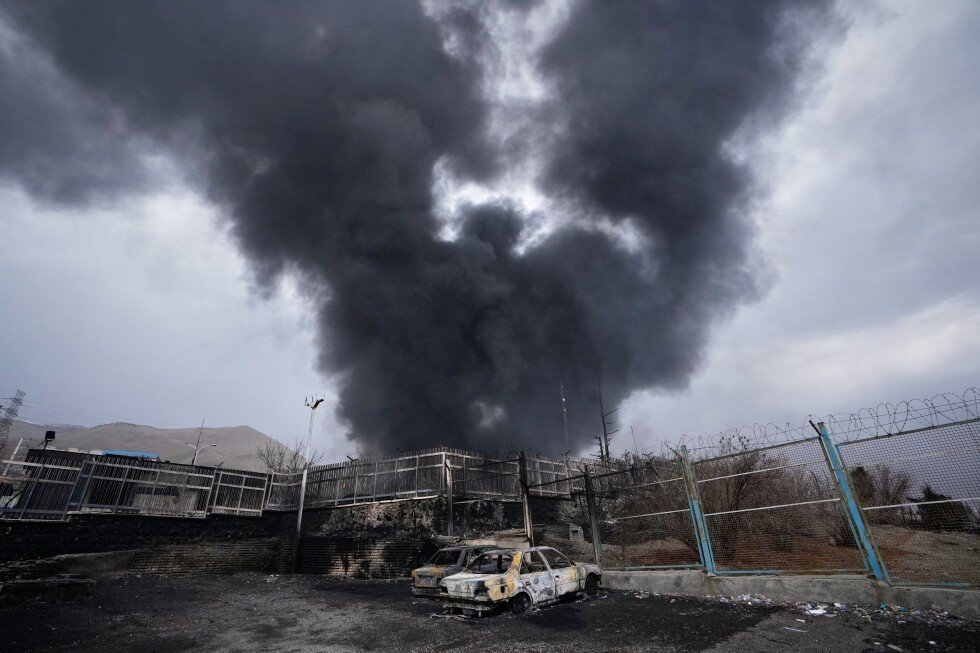
(Bloomberg) — Investors in Asia struck a cautious tone at the start of trading on Monday, as an escalating conflict between Israel and Iran pushed oil prices higher and raised wider questions about a long-run fallout.
Most Read from Bloomberg
-
As Part of a $45 Billion Push, ICE Prepares for a Vast Expansion of Detention Space
-
As American Architects Gather in Boston, Retrofits Are All the Rage
As markets reopened following a weekend of strikes between Israel and Iran, investors appeared reluctant to make big bets in either direction. Japan’s Nikkei 225 rose 0.8% and US equity futures edged higher, but stocks in Hong Kong and mainland China opened down. The Hang Seng China Enterprises Index was around 0.3% lower.
“It is too early to tell if Asia’s markets can completely look through this rapidly evolving conflict that still matters greatly for the region’s energy security,” said Homin Lee, senior macro strategist at Lombard Odier Singapore Ltd. “The muted response perhaps reflects some relief over the relatively calibrated nature of airstrikes on both sides.”
Stocks had tumbled on Friday as investors reacted to reports that Israel had launched airstrikes against Iran. A major concern is that the conflict leads to a prolonged disruption to the supply of oil. That could weigh on the global economy and potentially fuel a round of inflation just as many central banks pivot toward easing. Brent crude rose as much as 5.5% in early trading.
“Markets should be prepared for a prolonged period of uncertainty,” said Wolf von Rotberg, an equity strategist at Bank J. Safra Sarasin. “Hedging against potential oil supply-chain disruptions via exposure to the energy market and adding to gold, which may see an acceleration of its structural uptrend, are the best ways to protect a portfolio against a further escalation in the Middle East.”
Still, investors also put focus on news closer to home. Japanese equities were helped by a mix of a weakening yen, which may boost companies with overseas revenues, and a rally in defense companies after reports that Japan and the EU would meet to discuss cooperation measures for the defense industry. The yen was around 0.2% weaker against the dollar.
Investors are also watching economic data from China on Monday morning. Home prices in China fell at a faster pace in May, a sign that the country’s real estate slump is still far from over.
Industrial production and fixed-asset investment probably held steady in May, according to the median estimates of economists surveyed by Bloomberg. But retail sales growth, a key gauge of consumption, probably slipped below 5%, with a contraction in property investment deepening further.