For the better part of the last 17 years, the Dow Jones Industrial Average (^DJI 0.95%), S&P 500 (^GSPC 1.33%), and Nasdaq Composite (^IXIC 1.59%) have been motoring higher. All three indexes performed particularly well during President Donald Trump’s first, non-consecutive term in the Oval Office, with respective gains of 57%, 70%, and 142% for the Dow, S&P 500, and Nasdaq.
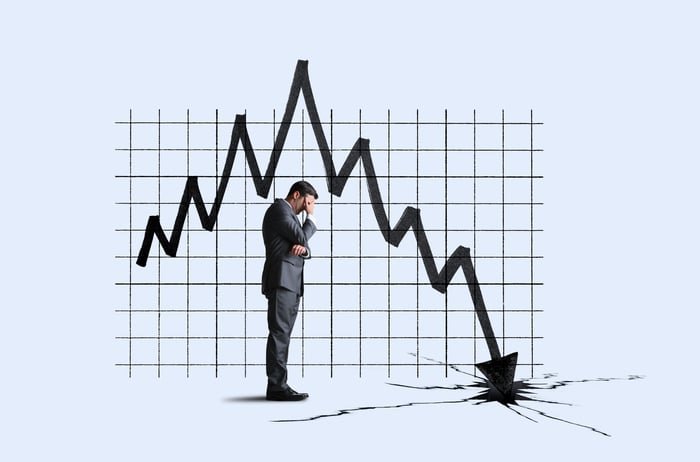
However, Wall Street’s major indexes may be cracking due to the Iran war.

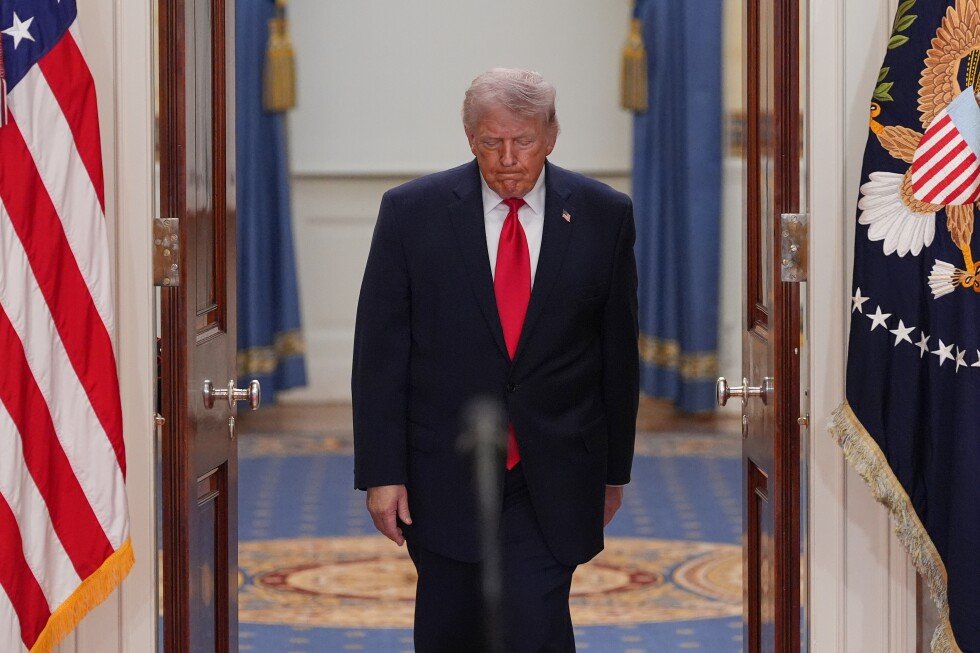
President Trump overseeing Operation Epic Fury. Image source: Official White House Photo by Daniel Torok.
A historic surge in oil prices has the stock market on edge
On Feb. 28, U.S. and Israeli armed forces commenced military operations against Iran. Following these actions, Iran has virtually closed the Strait of Hormuz to oil exports. Approximately 20% of the daily petroleum liquid used globally passes through the Strait of Hormuz.
In just a shade over one week, the April contract for West Texas Intermediate crude oil surged from a close of $67.02 per barrel (Feb. 27) to an intra-day peak of $111.24 per barrel on Sunday, March 8, representing a 66% increase. It’s the fastest surge in oil prices observed in more than 40 years.
Crude oil hits a high of $111.24 (+22.3%) after its reopen, before trimming gains to be trading 19.12% higher at $108.70. pic.twitter.com/Czqxa34CG1
— Tony Sycamore_IG (@Tony_Sycamore) March 8, 2026
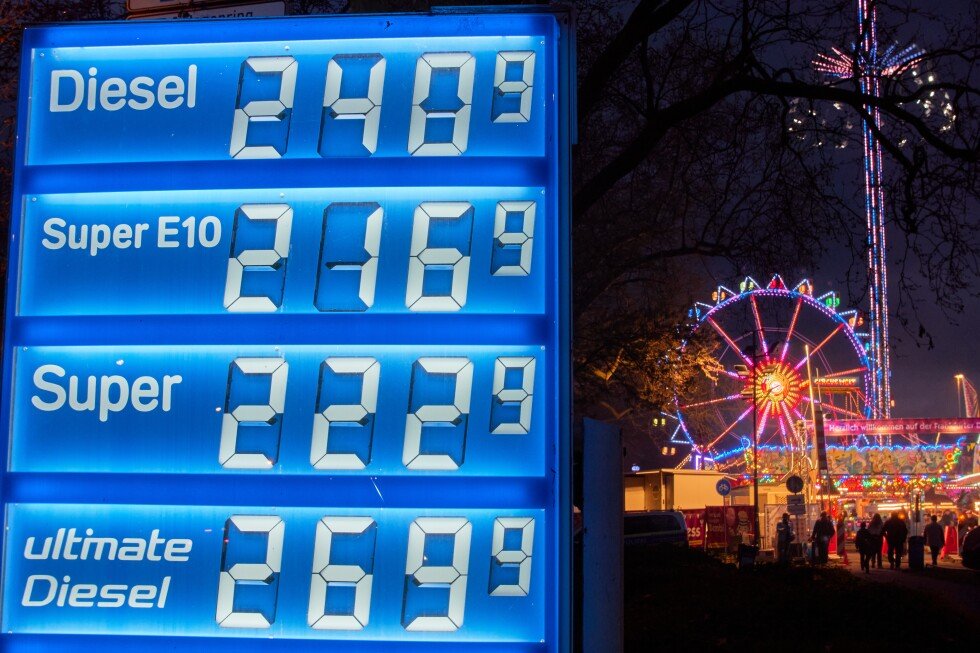
While most folks are likely seeing the tangible impact of higher crude oil prices at the gas pump, there are far bigger implications for the U.S. economy and stock market.
Historically, parabolic moves in the spot price of oil have correlated with periods of weaker consumer spending, higher inflation, and rising unemployment.
Inflation is, arguably, the bigger concern. The Federal Reserve is in the midst of a rate-easing cycle, and the prospect of lower interest rates has been powering a historically expensive stock market higher. This surge in oil prices may completely remove any chance of a rate cut in 2026.

Image source: Getty Images.
The million-dollar question: Will the stock market crash?
But can a historic move in oil prices lead to an equally jaw-dropping move lower in the Dow Jones Industrial Average, S&P 500, and Nasdaq Composite?
On the day the Iran War began, Carson Group’s Chief Market Strategist, Ryan Detrick, published a data set on X (formerly Twitter) that outlined the performance of the S&P 500 following more than 40 major geopolitical events since 1940.
On the one hand, Detrick’s data set shows that the S&P 500 was higher 65% of the time one year after a major geopolitical event. Although the average one-year return was only 3% (well below the stock market’s long-term average annual return), it points to the long-term resiliency of public companies.
Here’s a list of major geopolitical events since WWII.
Up a median of 5% six months later. All of them felt really bad at the time. pic.twitter.com/Jb3QXL0L05
— Ryan Detrick, CMT (@RyanDetrick) February 28, 2026
Conversely, the events that did lead to significant downturns and/or stock market crashes often had one thing in common: energy supply disruption. The oil embargo of 1973 and Iraq’s invasion of Kuwait in 1990 both led to short-term tumbles in the benchmark S&P 500. Although past correlations can’t guarantee future short-term directional moves in Wall Street’s major indexes, the historical precedent for a brief elevator-down move is there.
However, this isn’t an event that investors should panic over. Despite witnessing a historic move in oil prices, the foundation of the U.S. economy and corporate America remains intact. There’s a reason the S&P 500 has never generated a negative total return, including dividends, over any rolling 20-year period.


![i’m-nervous,-too!-[part-2]](https://10xwealthreport.com/wp-content/uploads/2026/03/177042-im-nervous-too-part-2-1568x784.jpg)