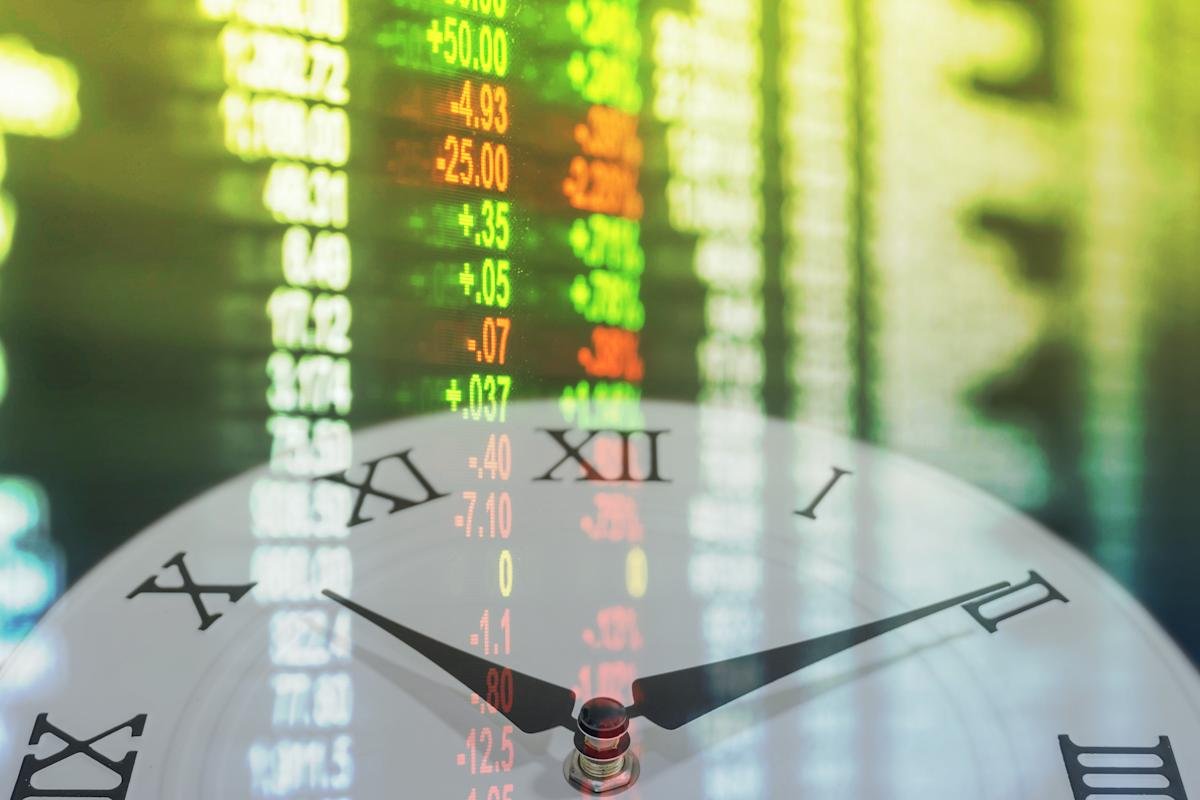
The global investment markets are fuelled by the rhythmic churning of stock exchanges on which trading broadly takes place during daylight hours ranging from 8am to 4.30pm The daily trading cycle begins in Japan and ends with the US, and goes through the world’s 10 major exchanges, accounting for up to $300 billion worth of trade and clocking anywhere between 150 million and 200 million transactions.
Those are staggering numbers, and the demand for extended trading hours has steadily grown. However, it wasn’t always like this.
Stock trading traces its origins back over four centuries to a Dutch trading company that forever altered the landscape of financial markets. On 20 March 1602, the Dutch East India Company (Vereenigde Oostindische Compagnie, or VOC) made history by launching the world’s first Initial Public Offering (IPO), a groundbreaking event that laid the foundation for modern investment practices.
Article 10 of the VOC’s charter proclaimed: “All the residents of these lands may buy shares in this Company,” opening the doors of financial participation to the masses. It marked the beginning of a new era in which capital markets could be accessed by ordinary people, not just elite investors. Prior to that, the market had existed primarily for the exchange of commodities.
The United States didn’t enter the stock market scene until the late 18th century. The origins of American stock trading began with a small group of merchants who forged the Buttonwood Tree Agreement in 1792. This group, meeting regularly to trade stocks and bonds, unknowingly laid the foundation for what would eventually become the New York Stock Exchange (NYSE).

Traders would meet beneath a buttonwood tree outside 68 Wall Street in New York City, making informal deals to buy and sell shares in various companies. These early gatherings set the stage for the establishment of the New York Stock Exchange in 1792, a physical marketplace where buyers and sellers could meet in person to trade stocks.
Over the years, the NYSE grew into one of the most important stock exchanges. The Buttonwood traders effectively became the founding members of the New York Stock Exchange, creating the infrastructure for a market that would go on to revolutionise the way people invested.
But while the Buttonwood traders are often hailed as the founders of the NYSE, Philadelphia holds the distinction of being home to the first stock exchange in the US. Founded in 1790, the Philadelphia Stock Exchange was the first of its kind in the US.







![i’m-nervous,-too!-[part-2]](https://10xwealthreport.com/wp-content/uploads/2026/03/177042-im-nervous-too-part-2-1568x784.jpg)