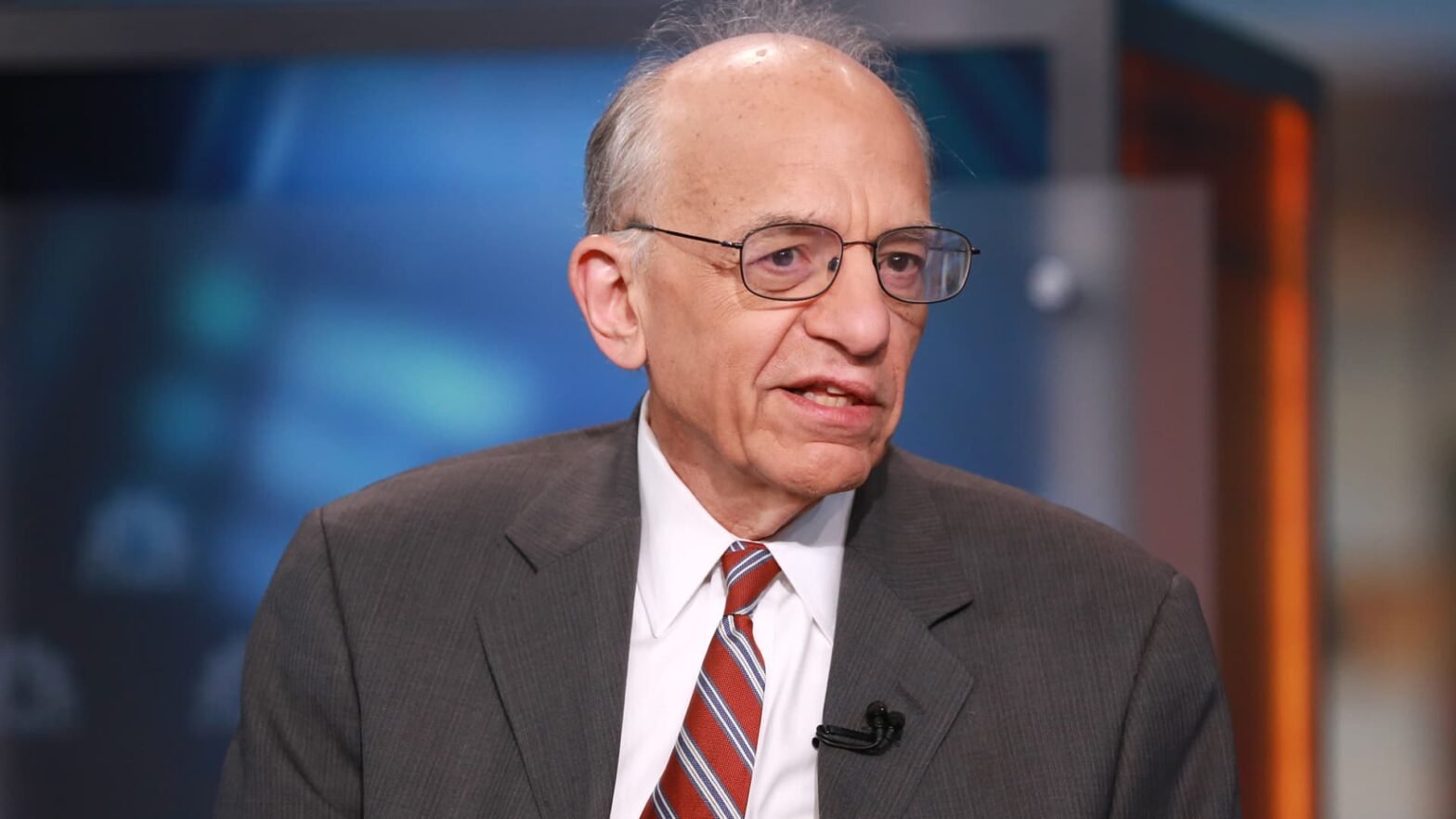
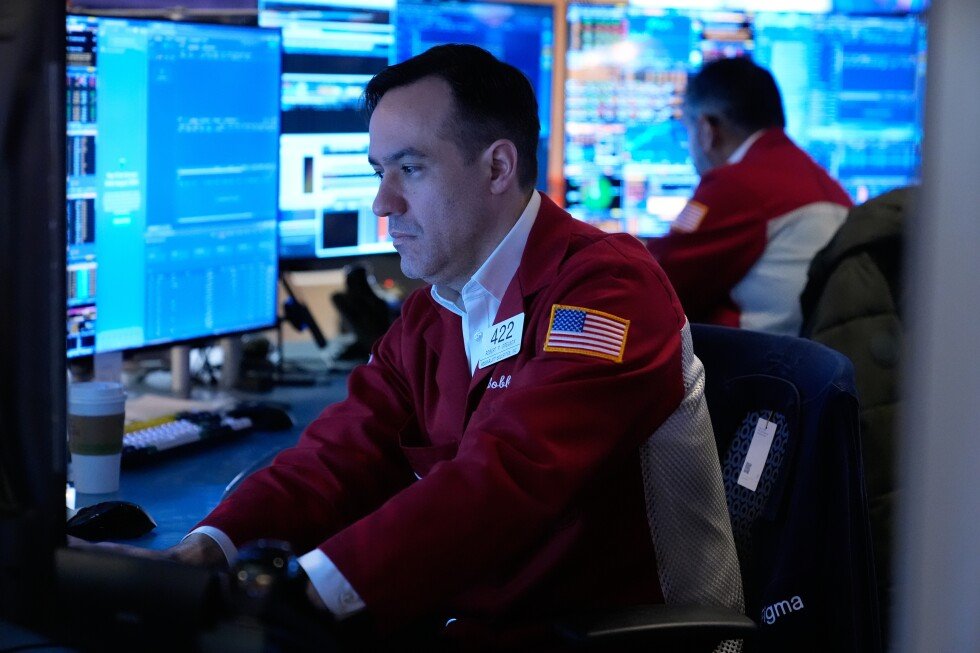
Jeremy Siegel thinks stocks may experience more turbulence ahead, despite the major averages posting sharp gains on Wednesday. “I don’t think the short term looks all that favorable to me,” Siegel, professor emeritus at University of Pennsylvania’s Wharton School of Business, said during a CNBC ” Squawk Box ” interview Thursday. Stocks soared on Wednesday after the U.S. and Iran agreed to a two-week ceasefire, easing fears after President Donald Trump would increase the bombing of Iran if the Strait of Hormuz wasn’t reopened. The Dow Jones Industrial Average had its best day in a year, surging 2.9%. The S & P 500 and Nasdaq Composite soared 2.5% and 2.8%, respectively. U.S. crude prices had their biggest one-day decline since 2020. .SPX 5D mountain S & P 500 over the past five days “What you got yesterday was the relief rally that that worst case scenario is off the table,” said Siegel. But with crude still above $90 per barrel, the Federal Reserve remains more likely to raise its overnight rate at some point than to lower it, he added. “I’m looking at the money supply, and I see it expanding, and I’m looking at commodity prices, and I see that expanding fiscal policy, defense spending. I don’t see how the Fed can, in fact, ease at this point,” Siegel said. “That’s going to be a challenge for the bonds and the equity market. ” Investors came into 2026 expecting at least one rate cut from the Fed. But the CME Group’s FedWatch tool, which tracks the probabilities of changes to the Fed rate using 30-day fed funds futures prices, now shows traders are not pricing in any rate reductions by the end of 2026. “Unless we get a much better resolution, and I hope we do in the next two weeks … I really see a sideways market,” said Siegel, who noted he is still bullish on stocks in the long term.
Stock and other markets are far from out of the woods, Jeremy Siegel says
Apr 9, 2026