After the S&P 500 (SNPINDEX: ^GSPC) gained more than 16% in 2025, investors entered 2026 hoping for more of the same — but that hasn’t happened. The large-cap stock index is down roughly 7% year to date, while the Dow Jones Industrial Average (DJINDICES: ^DJI) has slipped about 8%, and the tech-heavy Nasdaq Composite (NASDAQINDEX: ^IXIC) has fallen more than 10%.
That picture could soon get worse: Moody’s just revealed that the firm’s artificial intelligence (AI)-driven recession model now puts the probability of a U.S. recession at 49%.
Will AI create the world’s first trillionaire? Our team just released a report on the one little-known company, called an “Indispensable Monopoly” providing the critical technology Nvidia and Intel both need. Continue »
While that sounds like a coin toss, when backtested over 80 years of data, every time the model’s odds crossed the 50% line, a recession followed within a year.
And here’s the kicker: That 49% reading was for February — before the U.S.-Iran War cut off 20% of the world’s crude oil supply and sent prices surging to nearly $120 a barrel.
In an interview with Euronews, the model’s architect, Mark Zandi, explained that “behind the recent jump are primarily the weak labor market numbers, but almost all the economic data has turned soft since the end of last year.”
The latest jobs report showed the U.S. lost 92,000 jobs, contrary to economists’ expectations of a gain of 59,000. Unemployment ticked up to 4.4% — still relatively low, but headed in the wrong direction. And the latest GDP numbers were revised down heavily — from 1.4% to 0.7%.
Meanwhile, inflation remains stubbornly above the Federal Reserve’s 2% target and shows signs of creeping higher.
Still, those numbers aren’t exactly terrible, and Zandi’s model sits right below the 50% threshold. For investors, that means hope. Avoiding a recession is paramount — when one hits, the S&P 500 falls hard. Since 1980, declines have ranged from about 20% to more than 55%, according to research by The Motley Fool.
But the rather large elephant in the room is that Moody’s latest odds are based on data collected before the war in Iran began, effectively choking off 20% of the world’s oil supply and destroying critical gas infrastructure in the region. Unless the war is resolved swiftly, there’s a very good chance the odds will reach above 50%.
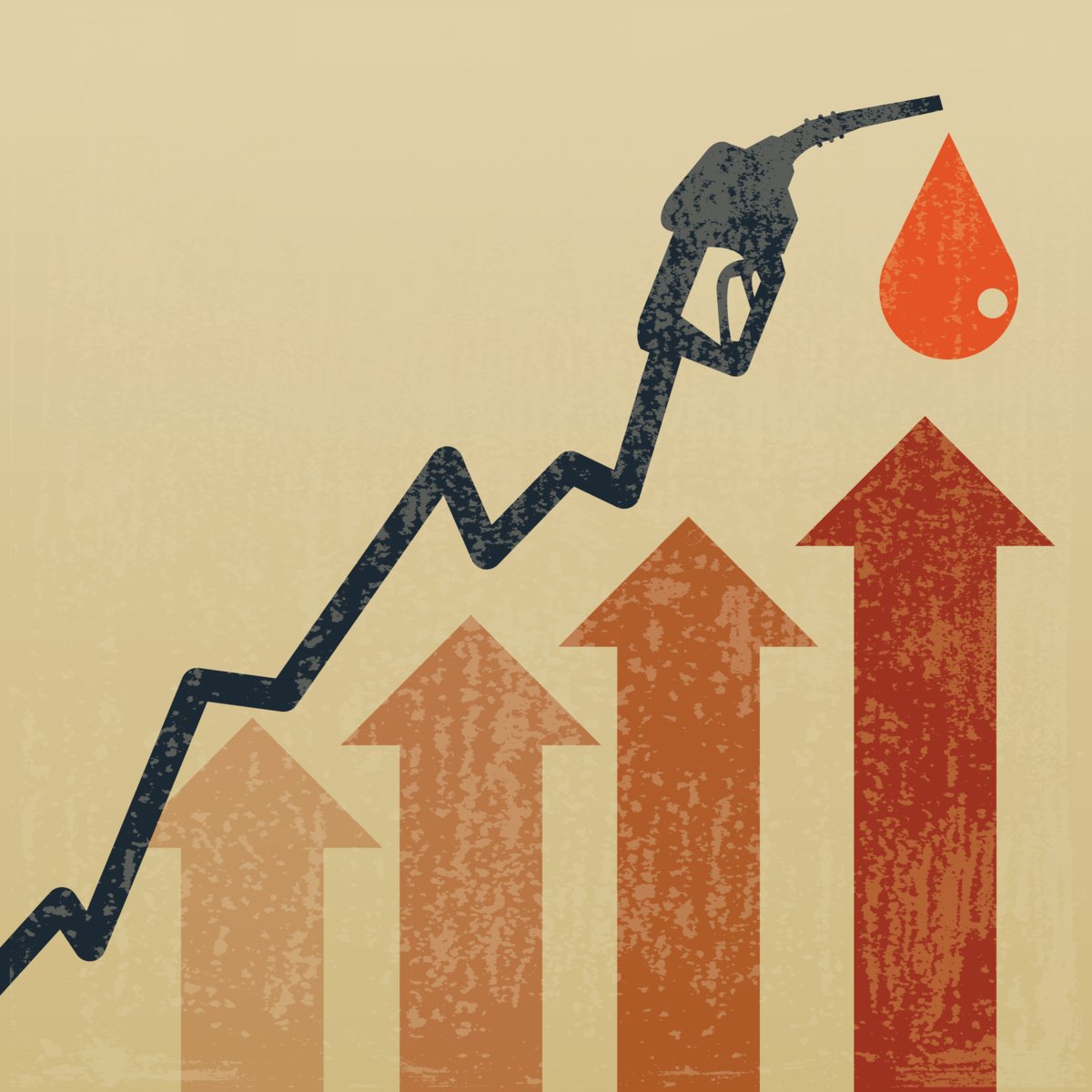
The model is sensitive to energy costs, and that’s no accident. Every U.S. recession since World War II, except for the COVID-19 pandemic downturn, was preceded by a spike in fuel prices.

![i’m-nervous,-too!-[part-2]](https://10xwealthreport.com/wp-content/uploads/2026/03/177042-im-nervous-too-part-2-1568x784.jpg)