U.S. stock markets closed lower on Monday despite a recovery in the last trading session intraday. Market participants remained concerned about the impact of tariff war and supply-chain management on global trade. However, investors got some reprieve after a month-long delay of implementing U.S. tariffs on Canada and Mexico. All three major stock indexes ended in negative territory.
The Dow Jones Industrial Average (DJI) fell 0.3% or 122.75 points to close at 44,421.91 after a choppy session. At intraday low, the blue-chip index was down as much as 665.6 points. Notably, 18 components of the 30-stock index ended in negative territory while 12 in positive zone.
The major loser of the index was Apple Inc. AAPL. The stock price of this global technology giant and iPhone manufacturer tumbled 3.4%. Apple currently carries a Zacks Rank #3 (Hold). You can see the complete list of today’s Zacks #1 Rank (Strong Buy) stocks here.
The S&P 500 slid 0.8% to finish at 5,994.57. At intraday low, Wall Street’s benchmark was down as much as 116.6 points. Six out of 11 broad sectors of the broad-market index ended in positive territory and five in negative zone. The Consumer Discretionary Select Sector SPDR (XLY), the Technology Select Sector SPDR (XLK) and the Industrials Select Sector SPDR (XLI) were down 1.3%, 1.4% and 1%, respectively.
The tech-heavy Nasdaq Composite finished at 19,391.96, shrinking 1.2% or 235.49 points due to weak performance by technology behemoths. At intraday low, the tech-laden index was down as much as 486.3 points. The fear-gauge CBOE Volatility Index (VIX) jumped 13.3% to 18.62.
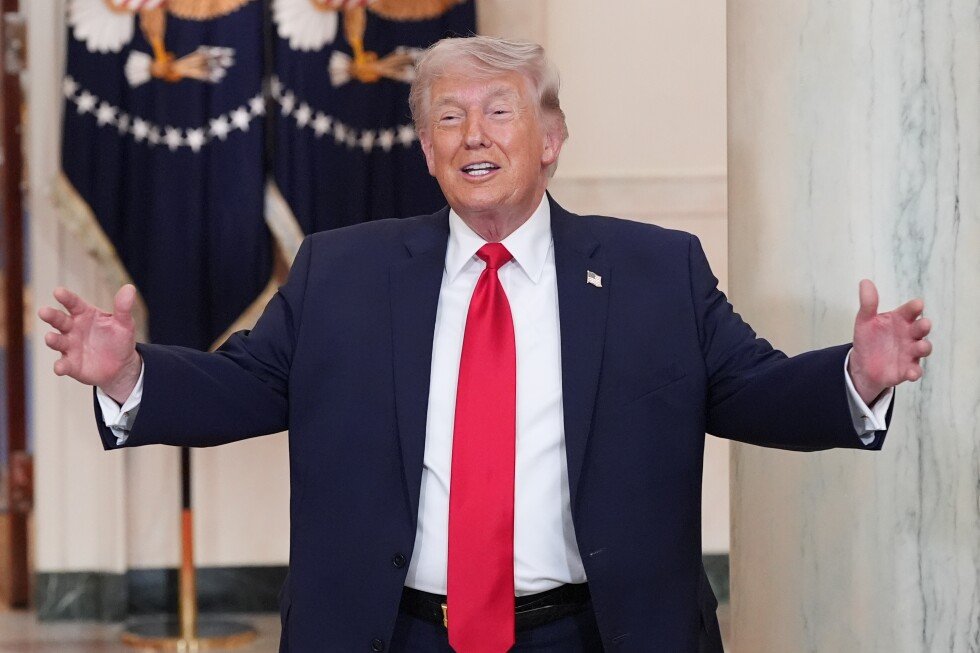
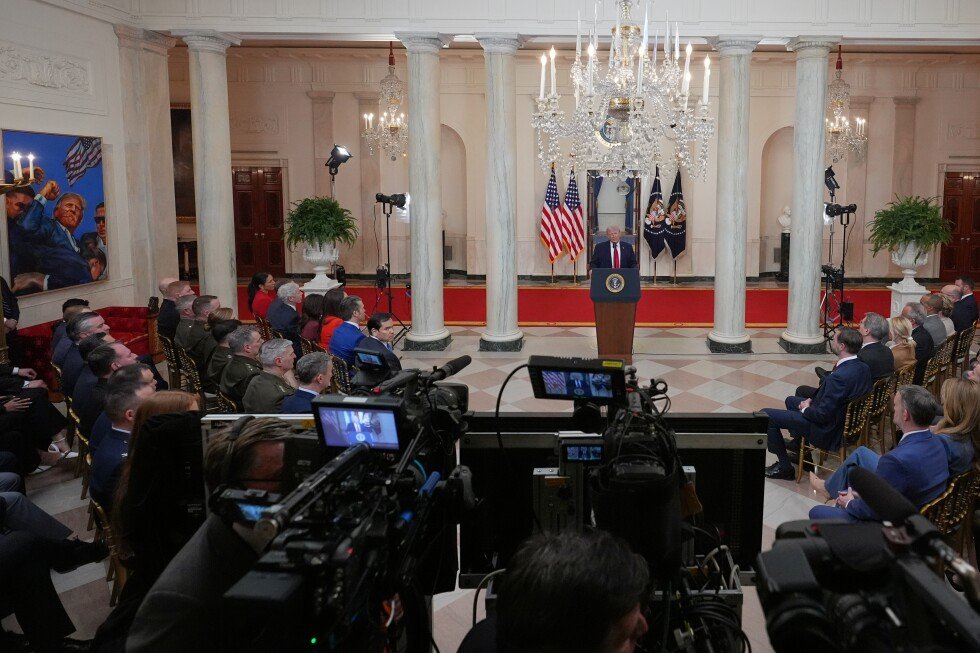
On Jan 31, the White House finally announced that it would impose 25% tariffs on Canadian and Mexican goods and 10% on Chinese imports from Feb 1. Energy imports from Canada will be subject to a 10% tariff. Trump also said that the next target of the U.S. tariff will be European Union.
Following the announcement concerns grew that Trump’s decision could spark another trade war as Mexico, Canada and China would also announce retaliatory tariffs. Investors’ confidence took a hit after that. These three countries account for more than 40% of U.S. foreign trade.
However, on Feb 3, the Trump administration delayed the date of implementation of those tariffs by one month. This happened following successful discussions between U.S. President Donald Trump and Mexican President Claudia Sheinbaum and Canadian Prime Minister Justin Trudeau to resolve border dispute and illegal immigration checking regarding the United States with Mexico and Canada.


![i’m-nervous,-too!-[part-2]](https://10xwealthreport.com/wp-content/uploads/2026/03/177042-im-nervous-too-part-2-1568x784.jpg)