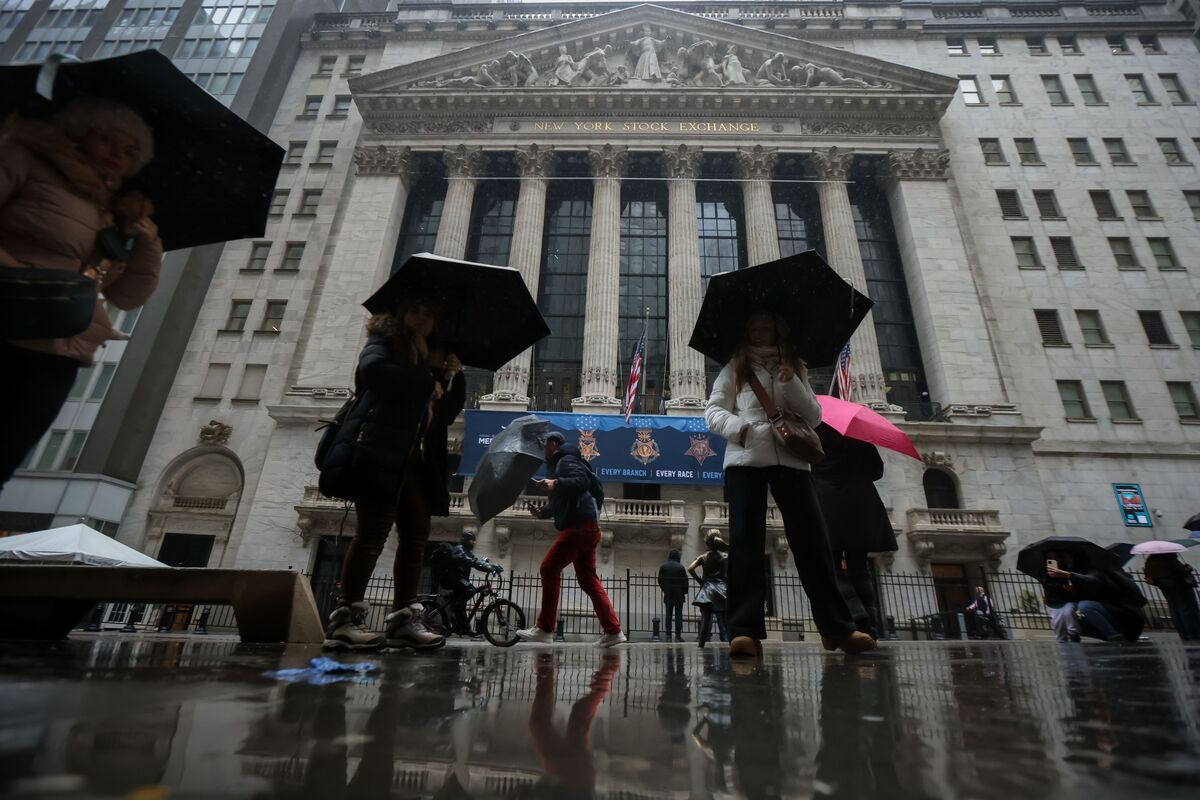
Stocks climbed on Friday after a headlong sell-off as investors assessed slowing economic growth and sticky inflation to set expectations for interest rate cuts, against the backdrop of a still-hot Iran conflict.
The Dow Jones Industrial Average (^DJI) led the way into the green, gaining roughly 0.7%. The S&P 500 (^GSPC) and Nasdaq Composite (^IXIC) gained 0.6% and 0.5%, respectively.
Renewed inflation worries, combined with gains for oil, have shifted expectations around Federal Reserve policy. Traders have scaled back bets that the central bank will cut interest rates this year, but are now assessing fresh data to test those expectations.
Personal Consumption Expenditures (PCE) index data released Friday by the Bureau of Economic Analysis — and covering January, before the war began — showed that headline prices rose by 0.3% in January over the previous month.
So-called “core” PCE, which excludes more volatile food and energy prices, rose 0.4% on the month, in line with 0.4% the month before. Economists had also predicted that the Fed’s preferred inflation measure would rise by 0.4%.
Data out Friday morning also showed that US economic growth slowed more than initially thought in the fourth quarter of last year after the measure came in sharply under expectations in an initial reading. The real gross domestic product (GDP) for the fourth quarter was revised to 0.7% growth from a previous reading of 1.4%, the Bureau of Economic Analysis reported Friday. That previous reading of 1.4% also marked a deceleration from the 4.4% growth in the third quarter of 2025.
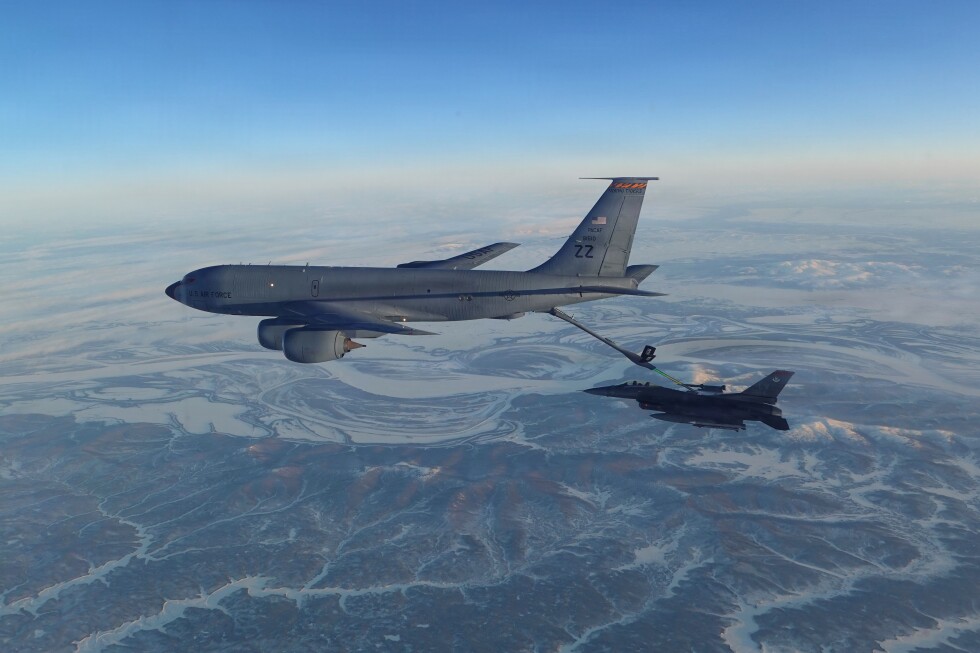
Meanwhile, investors are wondering how long and how wide the Iran war will rage in the Middle East, as the conflict marks its second week. Israel launched fresh attacks on Tehran on Friday, while Tehran is seen as behind missile strikes on Dubai and Turkey. Meanwhile, the US said four crew were killed when a military refueling plane crashed.
The escalating conflict has driven a sharp rise in oil prices that has destabilized markets, sending the three major US stock benchmarks to their lowest closing levels of 2026 — and their lowest points since November — on Thursday.
In the latest effort to cool the rally, the US gave a second waiver for purchases of sanctioned Russian crude. With Iran’s new leader vowing to keep the key Strait of Hormuz waterway closed, analysts said the move could ease but not fix what’s seen as the largest oil supply disruption in history.
Crude prices pulled back on Friday, with West Texas Intermediate futures (CL=F) down 2% to below $94 a barrel. Meanwhile, Brent crude futures (BZ=F) retreated to just under $100 after cresting that level for the second time since the war began early Friday morning.