Updated 2 min read
US stocks climbed on Friday but remained on track for weekly losses as Wall Street digested a cooler-than-expected inflation reading for a steer on the path of interest rates.
The S&P 500 (^GSPC) led the way up with a gain of roughly 0.6%, while the Dow Jones Industrial Average (^DJI) and the tech-heavy Nasdaq Composite (^IXIC) picked up roughly 0.4% and 0.5%, respectively.
Inflation cooled more than expected in January, data released Friday by the Bureau of Labor Statistics showed. The Consumer Price Index showed that consumer prices increased 0.2% in January from a month earlier, and 2.4% on an annual basis.
The report is likely to shape expectations for an already complicated Federal Reserve policy. Traders revived some bets on a June cut, with a majority expecting a quarter-point reduction that month. Most bets remain on two cuts by the end of 2026, though a larger percentage of traders is now betting on more reductions.
The moves came after a day of heavy selling as fears about AI disruption spilled into sectors such as real estate, logistics, and transportation — “old economy” names previously seen as a safe alternative to AI-tied stocks. Techs got pummeled, with all seven of the “Magnificent Seven” megacaps finishing lower. The sell-off has set the Dow, S&P 500, and Nasdaq for sharp weekly losses.
Investors are also scrutinizing the latest earnings for the next “shoot first, ask questions later” AI scare. Applied Materials (AMAT) stock surged as much as 10% chip toolmaker’s upbeat outlook mirrored robust AI demand. But Pinterest (PINS) shares tumbled as much as 20% as revenue fell short and analysts fretted about AI risks to its discovery platform.
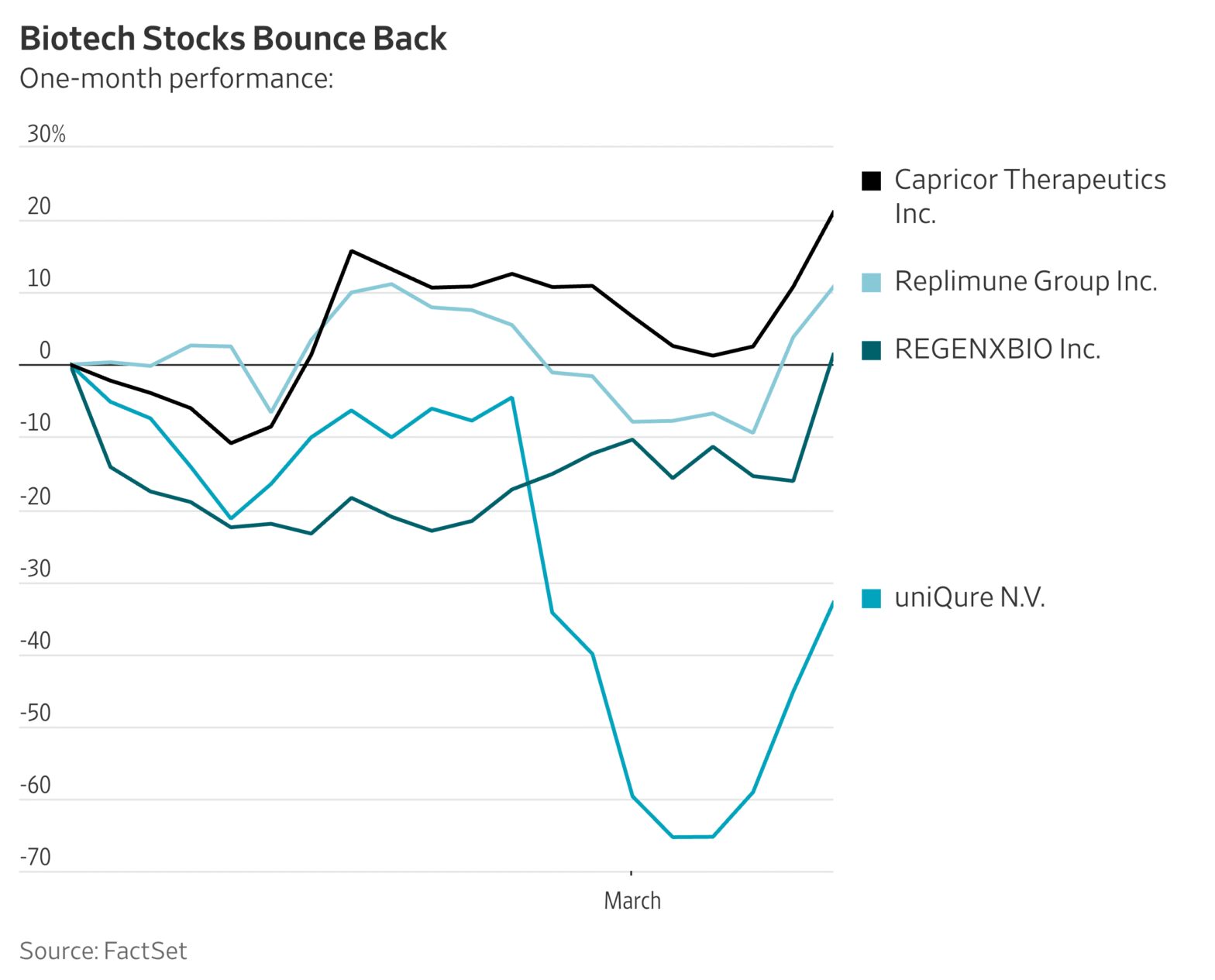
Elsewhere on the earnings front, Rivian (RIVN) shares soared by more than 25% following its fourth quarter earnings beat late Thursday. The EV maker said its R2 midsize model is on track for delivery before the summer. Moderna (MRNA) shares surged 10% after it topped quarterly revenue estimates thanks to resilient sales of its Covid shot.
LIVE 13 updates
-
Coinbase CEO Brian Armstrong attempts to ease concerns after second-worst quarterly loss ever
After Coinbase reported its second-worst quarterly net loss ever, at $667 million, CEO Brian Armstrong attempted to ease investor and analyst concerns on the company’s fourth quarter earnings call.
Our David Hollerith reports:
-
OpenAI and Anthropic battle in the political arena
Rivals duking it out for AI supremacy is the story of the tech world. But it’s increasingly becoming a key narrative in American politics, too.
Yahoo Finance’s Hamza Shaban writes:
Read more here in the takeaway from today’s Morning Brief.
-
Rivian, Moderna, Applied Materials surge, Pinterest nosedives on earnings reports
Shares in Rivian (RIVN), Moderna (MRNA), and Applied Materials (AMAT) all surged upward with double-digit increases on Friday after strong earnings reports, while shares in Pinterest (PINS) plunged.
EV maker Rivian jumped more than 20% through Friday morning trading after the company reported a strong fourth quarter earnings beat late Thursday. Rivian executives said the EV maker’s R2 midsize model is on track for delivery before the summer.
Meanwhile, Moderna shares gained 10% after the drugmaker topped quarterly revenue estimates thanks to resilient sales of its COVID shot. While the company had been struggling to find profit as demand for shots has fallen, Moderna reaffirmed its expectation of 10% revenue growth in 2026 and solidly beat analyst estimates for top-line revenue.
Applied Materials stock gained more than 11% as beats on revenue and adjusted EPS complemented strong demand forecasts for the company’s semiconductor equipment. Semiconductors are a key component of AI technology, fueling bets that Applied Materials will see continued strength.
In a showing that the AI trade cuts both ways, Pinterest saw its shares plunge by more than 20% as analysts evaluated the possibility for disruption by AI advancements. The company also missed analyst expectations on the top and bottom lines.
-
Consumer energy prices fall in January, electricity and natural gas remain elevated over previous year
Consumer energy prices largely fell in January, according to data released by the Bureau of Labor Statistics on Friday, moving in line with a broader oil market that had until January been falling.
Headline energy costs, one of the more volatile categories in the Consumer Price Index, fell 1.5% in January from the previous month and ticked down 0.1% from the previous year. (Energy prices are excluded from the “core” CPI reading due to their volatility.)
Energy commodities saw the largest move downward on both a monthly and yearly basis, with gasoline prices dropping by 3.2% month-on-month and fuel oil prices dropping by 5.7%, according to BLS data. On a yearly basis, gasoline prices have fallen by 7.5% since last January.
While the price of gasoline is one component of the price paid by consumers to fill their cars, that cost also factors in in crude oil prices, refining costs, distribution costs, and taxes. Pump prices have ticked up to a national average of $2.94 today versus $2.82 one month ago, but they are down from $3.16 a year ago.
Meanwhile, in the energy services category, electricity prices shed 0.1% from the previous month, while utility gas services prices rose by 1% as cold weather shocks throughout the country saw both residential and commercial demand for natural gas soar.
Both electricity and utility gas saw large jumps upward year-on-year, increasing by 6.3% and 9.8%, respectively, as the explosive power demand from the data center buildout has sent energy costs soaring.
-
US stocks turn down at the open
The US stock market opened in the red on Friday after a broad market sell-off as Wall Street digested a cooler-than-expected inflation reading.
The Dow Jones Industrial Average (^DJI) and tech-heavy Nasdaq Composite (^IXIC) both shed roughly 0.4%, while the S&P 500 (^GSPC) fell roughly 0.2% the day after intense selling pressure on tech stocks.
Inflation cooled more than expected in January, data released Friday by the Bureau of Labor Statistics showed, as consumer prices increased 0.2% in January from a month earlier and 2.4% on an annual basis. So-called “core” CPI ticked up by 0.3% month-on-month and 2.5% year-on-year.
More than half of traders are now pricing in a 25-basis-point cut by June, but most bets still remain on two cuts by the end of 2026.
On the earnings front, Rivian (RIVN) shares jumped more than 23% following its fourth quarter earnings beat late Thursday, while Pinterest (PINS) shares shed more than 20% on a revenue miss and concerns about AI.
-
US inflation cools more than expected in January
Consumer prices rose 0.2% in January over the previous month, according to data released by the Bureau of Labor Statistics on Friday morning, cooling more than economists had expected. The inflation measure rose 2.4% year-on-year.
The so-called “core” consumer price index, which excludes the often volatile food and energy categories, rose by 0.3% from the previous month and 2.5% over the previous year.
The headline increases in inflation were just below economists’ expectations of gains of 0.3% on a monthly basis and 2.5% on a yearly basis. January’s core CPI readings were directly in line with expectations month-on-month and year-on-year.
The readings on inflation swung traders’ outlook for rate cuts from the Federal Reserve, now pricing in a 51% chance of at least one 25 basis-point cut by the Fed’s June meeting. Though, traders remain broadly convinced the Fed will hold rates steady in its upcoming March meeting, with less than 10% pricing in a rate cut at that meeting.
-
Premarket trending tickers: DraftKings, Roku, and Maplebear
DraftKings (DKNG) stock fell 17% before the bell on Friday after the US gambling company missed analyst expectations for this year’s guidance as it steps up its investments in prediction markets.
Roku (ROKU) stock rose 15% during premarket hours after the streaming company beat analysts’ estimates for fourth quarter earnings. Roku also issued strong guidance for the year.
Maplebear (CART), also known as Instacart, saw its stock jump by 12% before the bell today after beating analysts estimates for revenue, which rose 12% to $992 million. However, the group’s fourth quarter earnings were dented by a $60 million settlement with the Federal Trade Commission amid claims that it used underhand tactics to raise costs for shoppers.
-
Wall Street’s AI angst is turning into a blessing for Asia stocks
From Bloomberg:
-
Rivian stock surges on Q4 results; upcoming R2 EV on track for Q2 customer deliveries
Rivian (RIVN) stock soared 19% during premarket hours on Friday following the release of better-than-expected fourth quarter results on Thursday.
Yahoo Finance’s Pras Subramanian reports:
-
Applied Materials stock surges after results beat on the top and bottom lines
Applied Materials (AMAT) stock climbed 11% during premarket hours on Friday after the semiconductor equipment maker beat Wall Street expectations on the top and bottom lines.
The after-hours reaction to Applied Materials’ results added to the strong run for the stock in 2026. Year to date, shares are up 27%.
Reuters reports:
-
Pinterest forecasts downbeat revenue as it battles for digital ad dollars; shares plunge
Pinterest stock sank 19% before the bell on Friday after forecasting first quarter revenue below analysts’ estimates on Thursday.
Reuters reports:
-
China lifts lid on outbound acquisition for first time this decade
Bloomberg reports:
-
Gold climbs back after steep losses, holds below $5,000
Bloomberg reports: