US stocks ended another week in the red as the war raging through the Gulf region rolls on with no end in sight and US equity markets keep falling.
The S&P 500 (^GSPC) lost roughly 1.7% on Friday to clinch its longest losing streak since 2022, while the Dow (^DJI) shed an equal 1.7%, or roughly 800 points, on Friday. The two indexes have now lost 7% and 6%, respectively, on the year.
The tech-heavy Nasdaq Composite (^IXIC) slid a steeper 2.2% on Friday for a year-to-date loss of roughly 10%.
Calendar highlights
Friday’s jobs report from the Bureau of Labor Statistics will headline a busy economic calendar, with the central question for investors set to be whether payrolls numbers will normalize after the whiplash of 130,000 jobs added in January and 92,000 jobs lost in February.
Investors will also get reads on market sentiment and expectations from the Conference Board on Tuesday, as well as additional labor market reads from the JOLTS report on Tuesday and the outplacement firm Challenger, Gray & Christmas on Thursday.
In the corporate world, quarterly results from NIKE (NKE) on Tuesday will lead an otherwise sedate week in earnings reports.
Investors will also get results from USA Rare Earth (USAR) and Trilogy Metals (TMQ), two of the country’s main critical minerals players, on Monday and Friday, respectively, as the market prepares for President Trump’s now-delayed meeting with Chinese leader Xi Jinping.
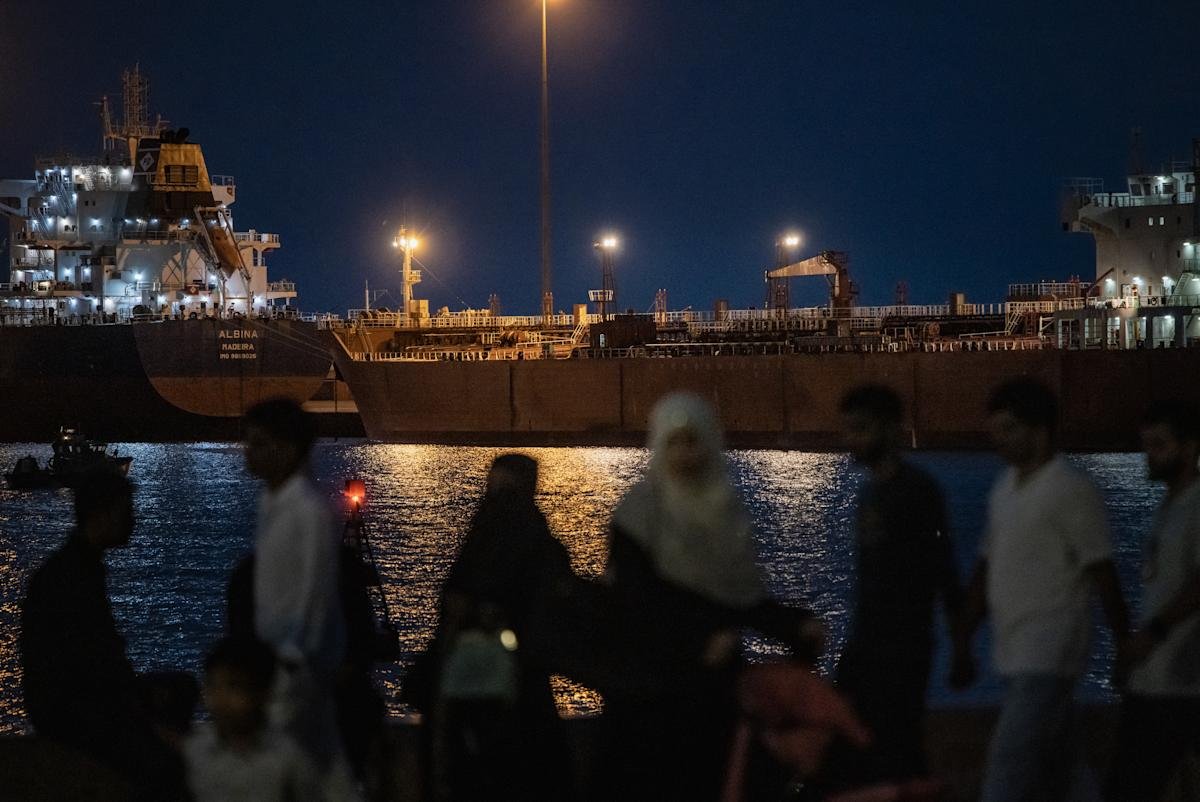
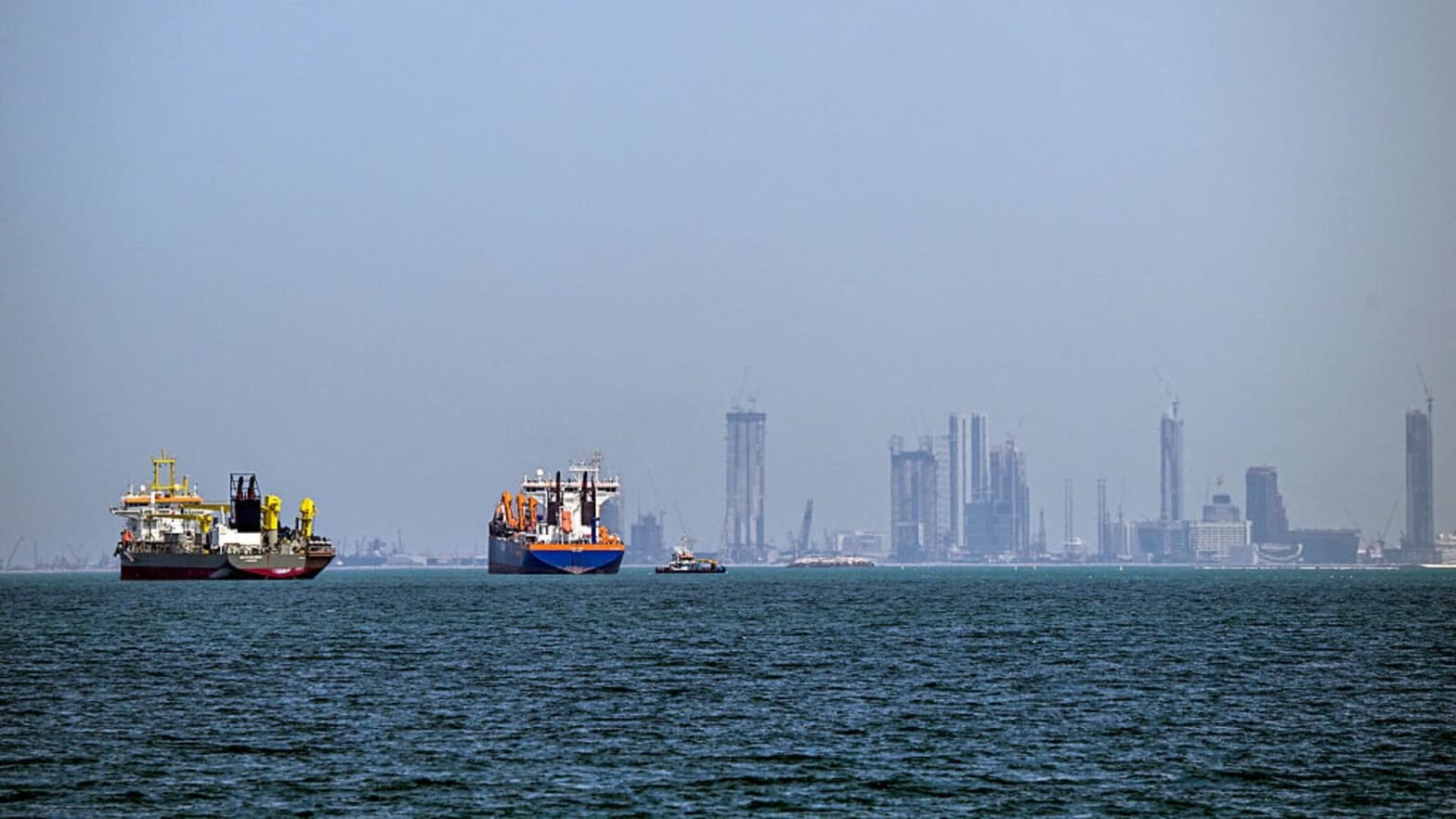
As the Iran war enters its fifth week, the Strait of Hormuz remains effectively closed, choking off roughly 15 million to 16 million barrels of oil per day from the market. Oil prices just keep climbing, with Brent crude (BZ=F) and US WTI crude (CL=F) up more than 45% and 50%, respectively, over the past month.
“I don’t think you really compare this with any disruption in the past,” BP chief economist Gareth Ramsay said earlier in the week, adding that the disruption of the Strait of Hormuz is “every analyst’s study piece, or worst nightmare that we thought could never happen.”
The conflict is showing no signs of ending anytime soon. On Thursday, President Trump announced he was pushing back for a second time the deadline for Iran to come to the table before the US strikes the country’s domestic power infrastructure — yet oil has rallied and stocks have fallen anyway.
The only thing that matters now, strategists told Yahoo Finance, is how long Iran is willing to choke off Persian Gulf oil, and how long the rest of the world will let it go on.

![i’m-nervous,-too!-[part-2]](https://10xwealthreport.com/wp-content/uploads/2026/03/177042-im-nervous-too-part-2-1568x784.jpg)