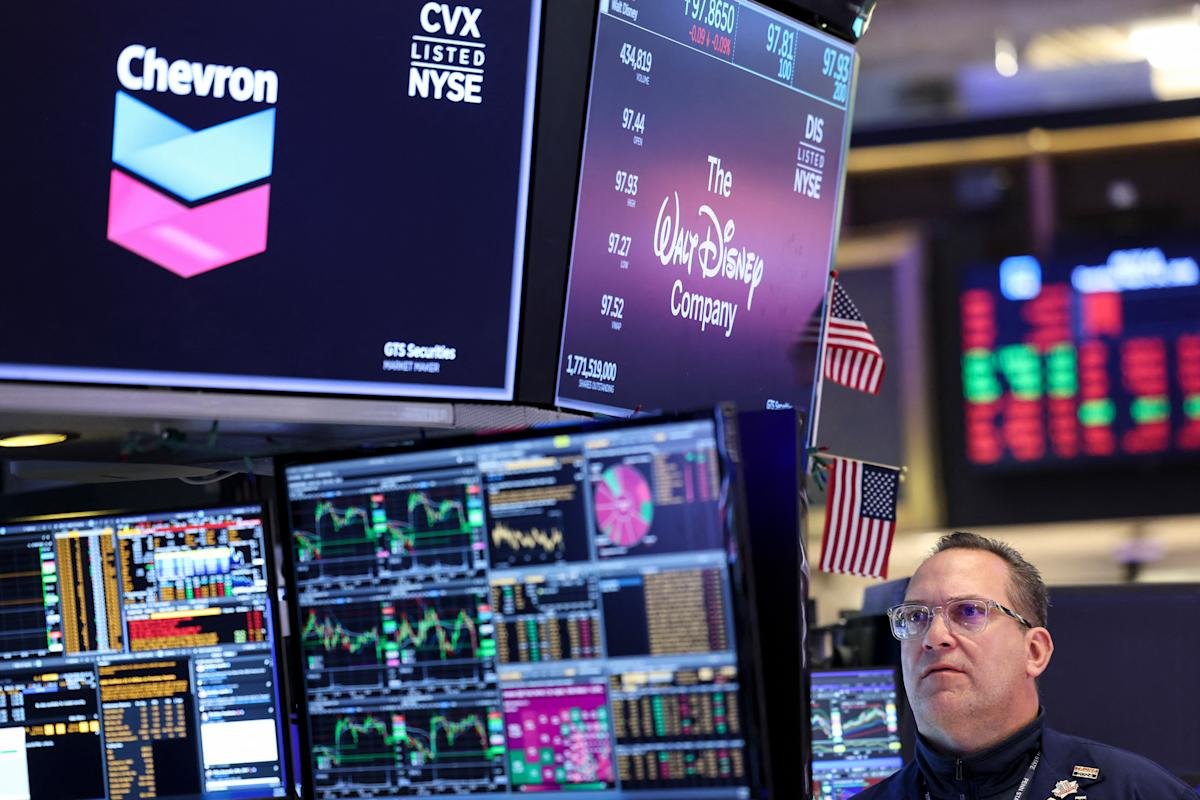
A trader works on the floor at the New York Stock Exchange (NYSE) in New York City, U.S., March 23, 2026.
Brendan McDermid | Reuters
Citrini Research, the firm that rattled markets earlier this year with a provocative bearish call on artificial intelligence, is out with another warning — this time arguing an oil-driven slowdown could send equities lower.
Founder James van Geelen said persistently high energy prices risk weighing on consumers and corporate earnings, creating a backdrop where stocks struggle even as the Federal Reserve eventually pivots toward rate cuts.
“If the war doesn’t end, equities will go lower,” van Geelen wrote in a Substack post early Wednesday, pointing to geopolitical tensions as a key driver of sustained oil strength.
Stocks recouped some of the losses Wednesday following reports that the U.S. has given Iran a plan to bring the conflict to an end, sending crude prices tumbling. However, the two countries appear to be very far apart, with Tehran turning down the U.S.’s ceasefire offer and demanding sovereignty over the Strait of Hormuz.
The latest call builds on Citrini’s growing reputation for contrarian macro views. In February, the firm published a widely circulated note arguing that the AI boom itself could ultimately hurt the economy, pushing unemployment as high as 10% if white-collar jobs are replaced by machines.
Slowdown ahead?
The core of Citrini’s current thesis is that elevated oil prices act as a tax on growth, eroding purchasing power and tightening financial conditions without the Fed needing to take further action. With policy rates already near neutral, van Geelen argued that simply holding rates steady would be restrictive enough as the energy shock filters through the economy.
“We live in a different world now, rates are close to neutral,” he wrote. “If oil stays high, it would be restrictive enough simply to leave them where they are while oil prices filter through the rest of the economy and cause a slowdown.”
That dynamic leaves equities particularly vulnerable, he said. Even in a scenario where geopolitical tensions ease quickly, Citrini sees limited upside for stocks. Consumers would still emerge “slightly weaker” after absorbing higher fuel costs, dampening the strength of any rebound, he said.
The firm’s view also challenges a common bullish narrative that rate cuts would provide a backstop for equities. Instead, van Geelen suggests any eventual easing would likely come in response to deteriorating growth, a backdrop historically associated with further equity declines rather than sustained rallies.
“The Fed knows that raising rates isn’t going to magically make more oil supply,” he wrote, arguing policymakers are more likely to “look through” the shock before ultimately cutting rates as conditions worsen.


![i’m-nervous,-too!-[part-2]](https://10xwealthreport.com/wp-content/uploads/2026/03/177042-im-nervous-too-part-2-1568x784.jpg)