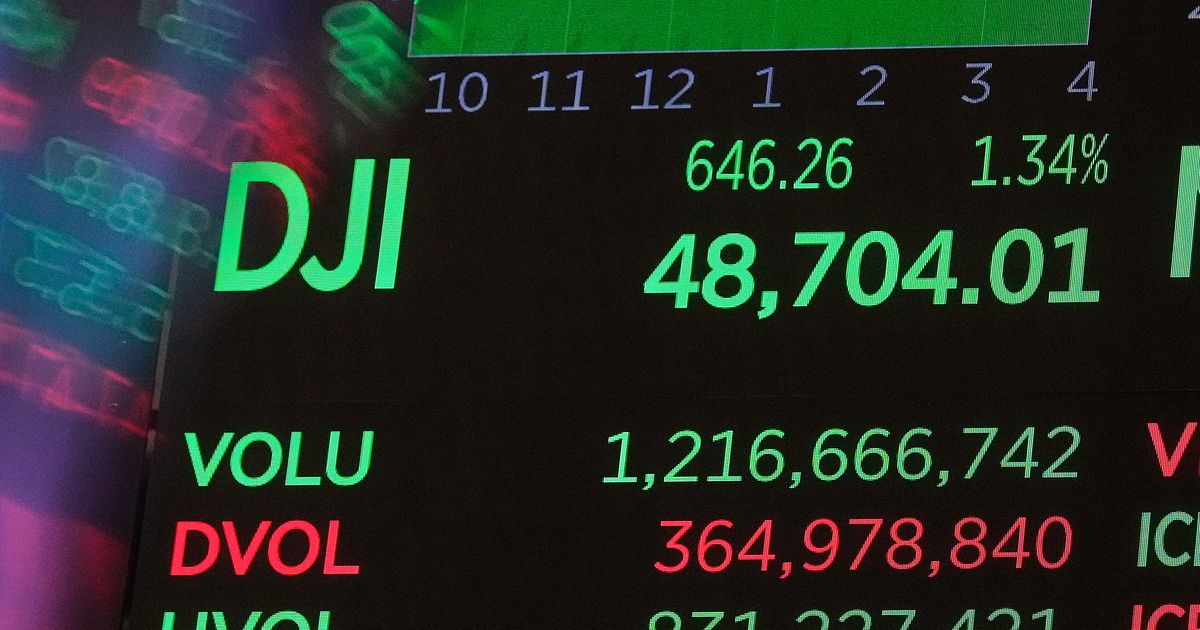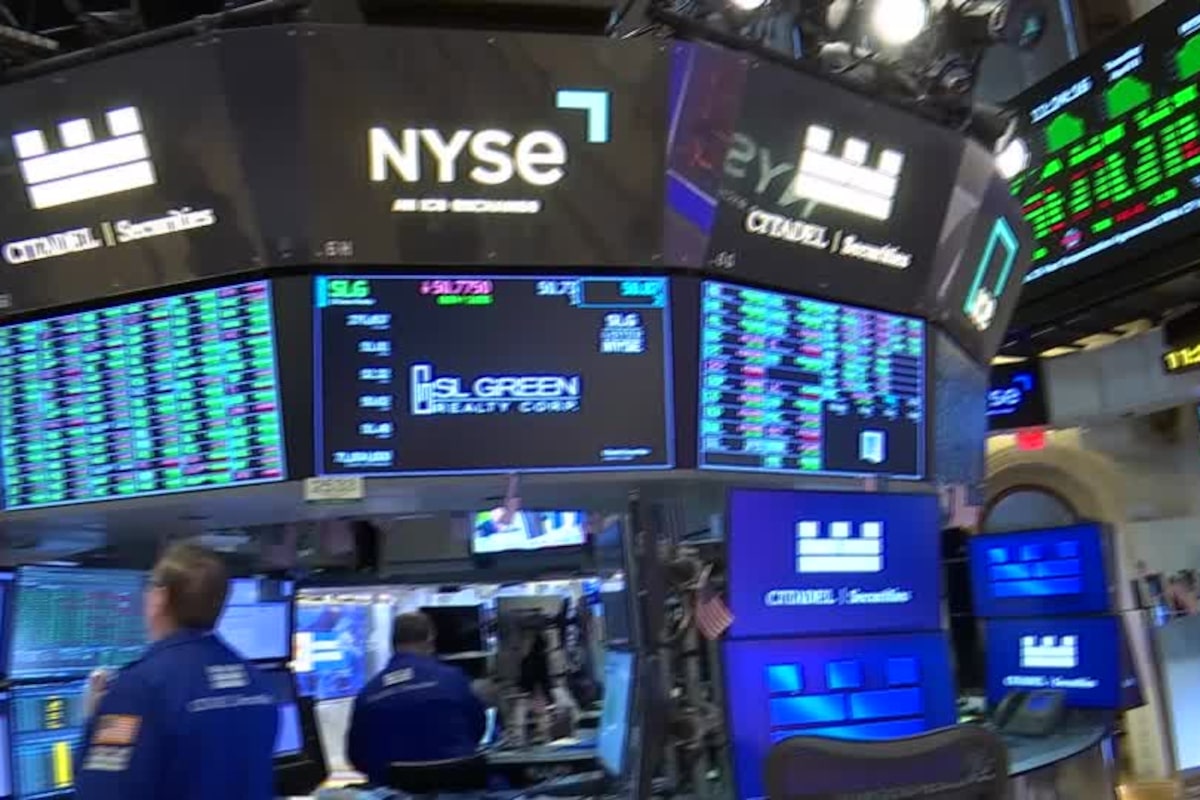
If the stock market were a Halloween movie, we could call it The Bubble that Ate Wall Street. Or perhaps The Bubble that Ate Wall Street 2, because it is a sequel – the second time in the past generation that we have seen technological euphoria cloud minds and drive U.S. stocks to absurdly high levels.
The plot twist that makes the latest version of this time-honoured plot so intriguing is that everyone is well aware of the parallels between now and the dot-com bubble of the late 1990s. You can’t click on the business news without encountering articles about the dangers lurking in today’s overpriced stocks.
The constant warnings are turning into something like a background drone. Consider what was said in October alone.
The Bank of England thundered that the risks of a sharp market correction are rising. The International Monetary Fund fired off a similar admonition just a few days later.
Meanwhile, Amazon founder Jeff Bezos acknowledged that many AI stocks are in a bubble – although he preferred to call the current frenzy an “industrial” bubble rather than a financial one. Then Jamie Dimon, the chief executive officer of megabank JPMorgan Chase joined in the fun by telling analysts that “cockroaches” are lurking in the financial kitchen.
Worried a stock-market bubble could affect your retirement portfolio? Here’s what you can do
Investors should be gratified to see that so many important people are paying attention to the creeping financial insanity. However, the nearly universal wariness about the market raises an intriguing question: If everyone is so sure that this is a bubble, why is nobody selling? Why do the big U.S. stock indexes keep grinding relentlessly higher in the face of mounting skepticism?
It might be stupidity. Or it might be inertia. (Never underestimate either force.)
Investors, though, might want to ponder another possibility. Maybe, just maybe, people are laying a rational bet that this bubble will continue for a while.
I hate to admit that the YOLO crowd might be right, but the short-term optimists have a point. Sure, the stock prices on Wall Street are hideously expensive in comparison to any underlying value you choose to examine – sales, earnings, book value or whatever. However, the lofty stock prices are being held aloft by two rather robust supports – enthusiasm over artificial intelligence and huge U.S. government deficits.
Three ways to navigate a bubble, without selling everything
What would it take to topple those supports? A substantial hike in interest rates would probably do it. After all, the most typical way for economic booms to end is with central banks boosting interest rates to discourage runaway financial speculation.
That is not likely to happen this time around, though. U.S. President Donald Trump has been badgering the Federal Reserve to lower rates, not raise them. He will be able to install his own hand-picked chair at the head of the central bank next year. Given all that, higher interest rates seem like a distant prospect.
Another way for this bull market to end would be if Washington were to make a serious effort to reduce its gaping budget hole. If the administration were to raise taxes or reduce government spending, its newfound thriftiness would crimp corporate profits and thereby undermine stock prices.
However, this also seems like a distant prospect. The Trump administration’s One Big Beautiful Bill Act shows it is intent on running enormous deficits for as long as it is in power. In the long run, this fiscal madness is unsustainable. In the short term, though, it will continue to juice the stock market.
Finally, this bull market could end if AI excitement begins to dissipate. The problem there is that technological revolutions require time to play out.
Did AI kill Canada’s greatest stock?
Skeptics will point out that AI does not yet seem to be generating any discernible boom in profits or productivity. Optimists, though, can point to the long history of new technologies, from steam engines to personal computers. Those earlier waves of innovation required years, if not decades, to transform the workplace. Given the usual time lags, the debate over AI’s potential is nearly certain to continue for quite a while.
Put all of this together and we arrive at an uncomfortable conclusion: The U.S. stock market may be priced at frothy levels, but the froth isn’t likely to dissipate in the next few months. The forces that normally prick financial bubbles – things such as rising interest rates and fiscal discipline – are missing in action.
So what should investors do? We should remind ourselves that the lack of an immediate market correction doesn’t mean the market is currently correct. Valuation exerts its effect over the long haul. No matter what happens in the short term, the U.S. stock market is likely to produce underwhelming returns in years to come.
This is a fine time to shift toward cheaper parts of the investing universe, most notably non-U.S. stocks. Bonds, too, are worth a look. A bubble may be eating Wall Street, but it doesn’t have to eat your portfolio.