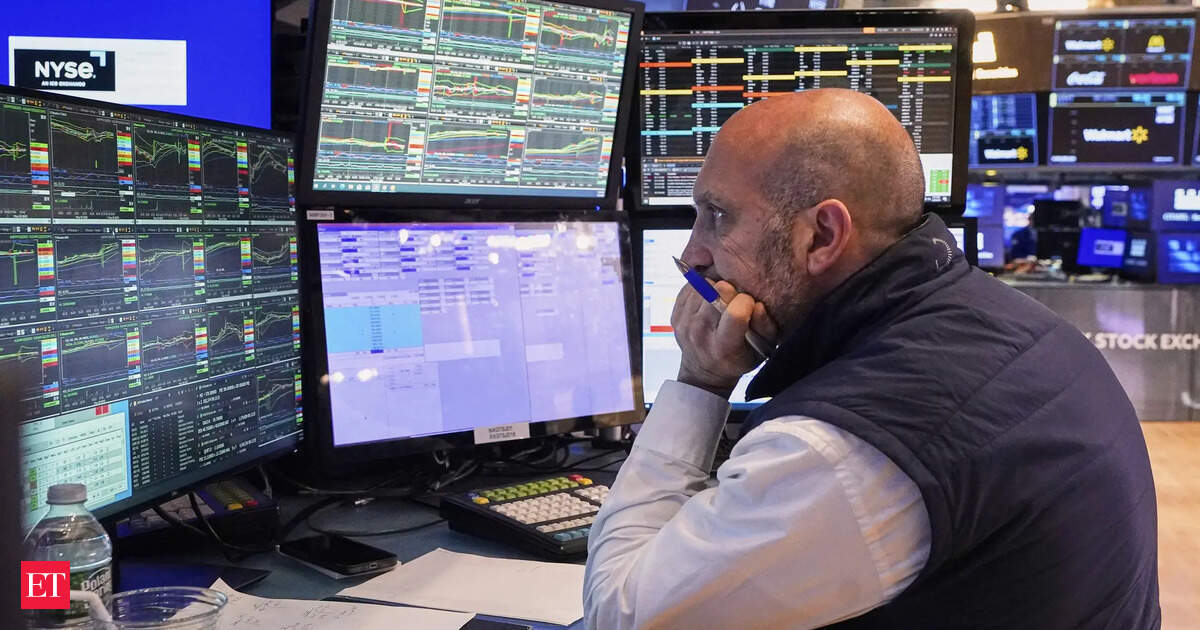
Since the start of 2019, things have gone exceptionally well for Wall Street and investors. The S&P 500 (SNPINDEX: ^GSPC) has registered at least a 16% gain in six of the last seven years, while the Dow Jones Industrial Average (DJINDICES: ^DJI) and Nasdaq Composite (NASDAQINDEX: ^IXIC) have both motored to several record-closing highs.
Upside catalysts have been abundant, including the evolution of artificial intelligence, better-than-expected corporate earnings, stock-split euphoria, record S&P 500 share buybacks, and the Federal Reserve’s rate-easing cycle, which began in September 2024.
Will AI create the world’s first trillionaire? Our team just released a report on the one little-known company, called an “Indispensable Monopoly” providing the critical technology Nvidia and Intel both need. Continue »
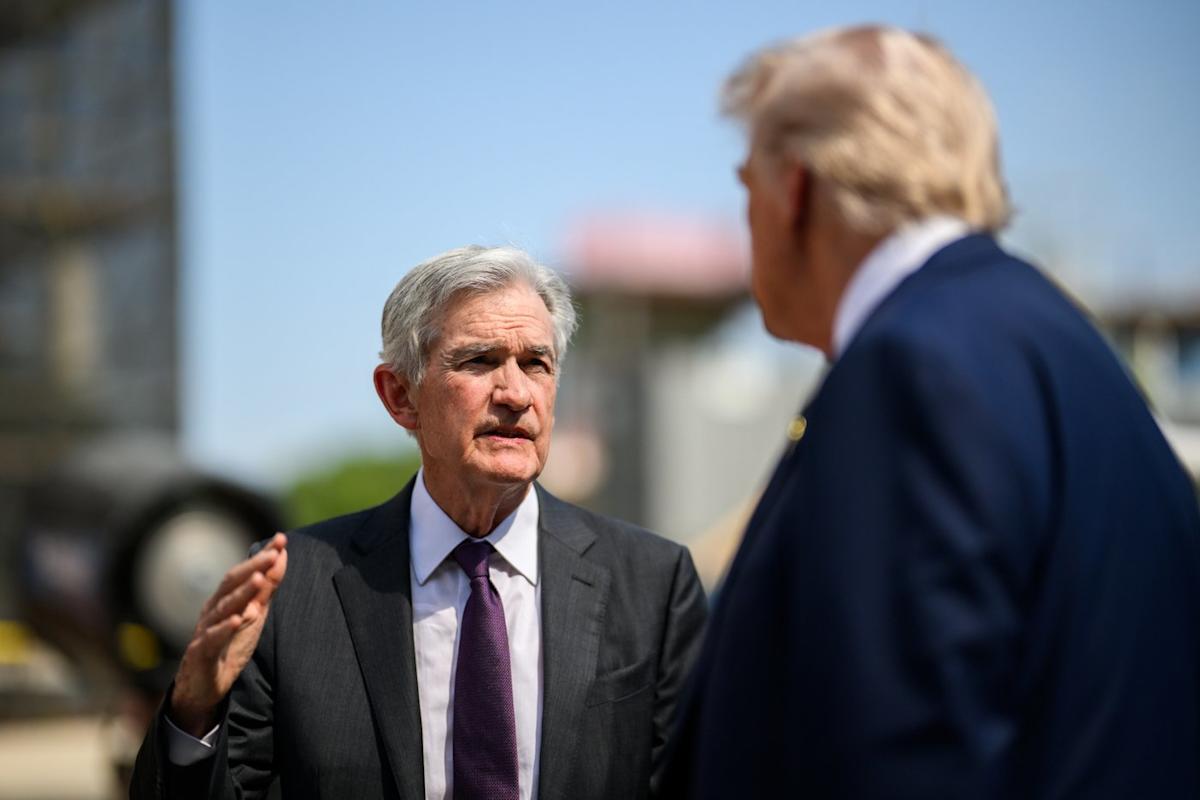
However, things may not be as rosy for Wall Street as the performance of its three leading stock indexes indicates. The Donald Trump-led Iran war, which commenced on Feb. 28, potentially opens a can of worms for America’s foremost financial institution, the Federal Reserve. When added to existing concerns, the Fed is facing a possible triple whammy that would, in all likelihood, adversely impact a historically pricey stock market.

Two weeks ago, the U.S. and Israel began military operations against Iran. Shortly after the conflict commenced, Iran virtually closed the Strait of Hormuz to oil exports. According to the Energy Information Administration, approximately 20% of the world’s liquid petroleum needs move through the Strait of Hormuz daily.
When the supply of a basic necessity, such as oil, is constrained or disrupted, the law of supply and demand tells us that the price of that good will head higher. Between Feb. 27 and March 9, the spot price of West Texas Intermediate crude oil skyrocketed from $67 to as high as $119.
While most consumers worry about how higher oil prices will impact what they pay at the gas pump, there are far bigger implications.
Historically, oil price spikes have commonly correlated with periods of consumer spending weakness, higher unemployment, and, most importantly, higher inflation. If these puzzle pieces are arranged just right, you’d get the Federal Reserve’s nightmare scenario: stagflation. Stagflation involves rising unemployment and inflation, with weaker or stagnant economic growth.
Although the nation’s central bank has plenty of tools on its proverbial toolbelt, there isn’t a one-size-fits-all blueprint to combating stagflation. Lowering interest rates to fuel economic growth threatens to fan the flames of rising inflation. Meanwhile, raising interest rates can further increase the unemployment rate and weaken the U.S. economy.