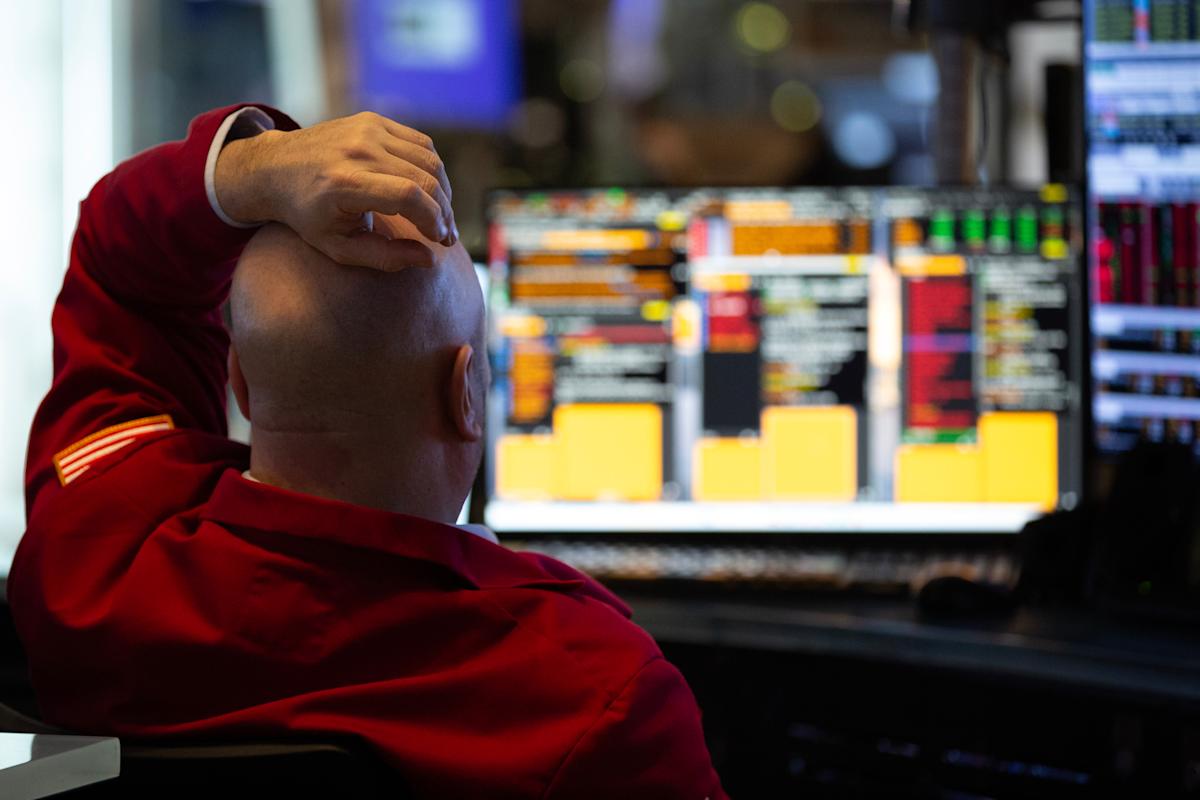
Benjamin Graham, the man who helped to train Warren Buffett, liked to say that Wall Street is a weighing machine over the long term and a voting machine over the short term. Essentially, emotions are important to the way investors trade. One of the worst things for emotions on Wall Street is uncertainty, which is unfortunately very high right now.
Bear markets and recessions
A bear market is a 20% decline in a market-tracking index, such as the S&P 500 (^GSPC 1.52%). A recession, informally, is two successive quarters of falling gross domestic product. Those are the numbers, but they don’t get pulled out of a magic hat. The actions of investors and consumers lead to falling stock prices and reduced spending throughout the economy.

Image source: Getty Images.
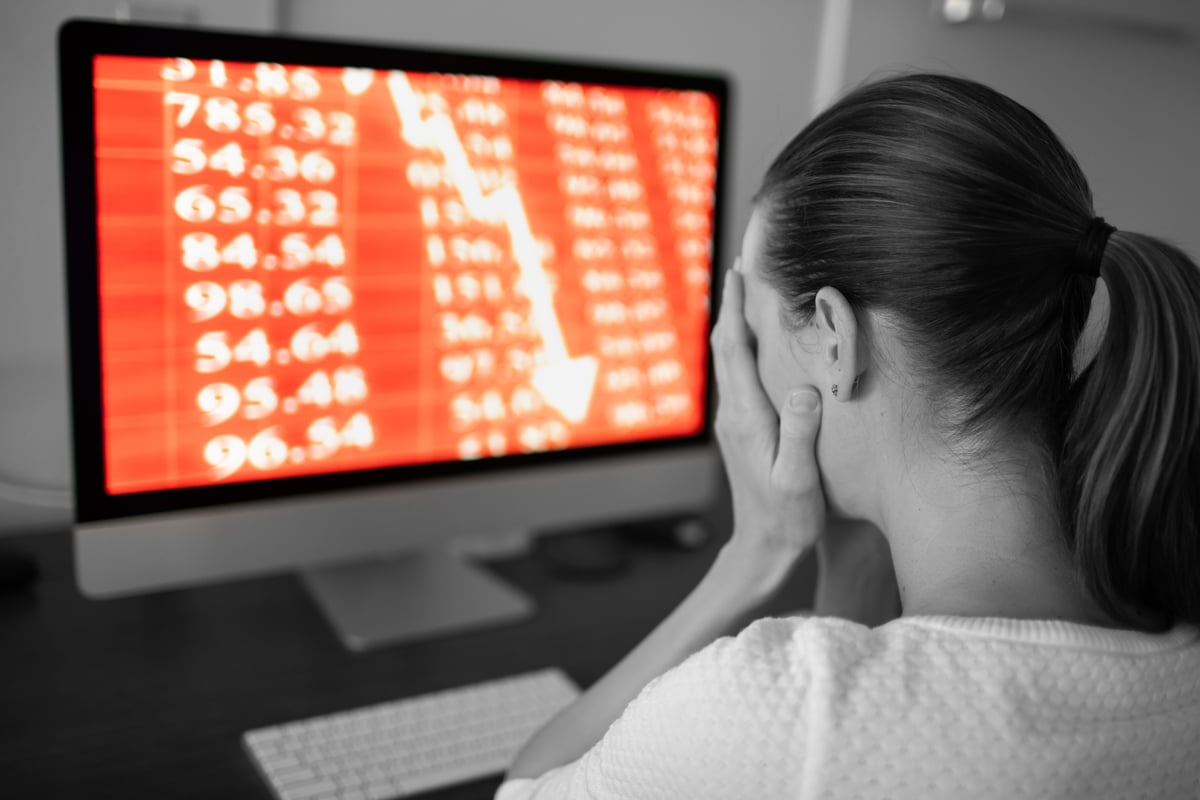
That means that emotions are a pivotal part of the story for both bear markets and recessions. Emotions are strained right now, largely because uncertainty is elevated.
For example, the unemployment rate rose to 4.4% in February, with a larger-than-expected drop in employment. Oil prices continue to rise because of geopolitical tensions in the Middle East, despite countries releasing oil from their strategic reserves. And inflation remains a worrisome issue, since higher oil prices have yet to flow through to the data.
The reserve release is a sign of the times
The decision to release oil from strategic reserves is an interesting example of the problem. That move should logically be viewed as a good, since it will increase near-term oil supply. In theory, that should have reduced oil prices, but the opposite happened.

Today’s Change
Current Price
What happened was that oil traders took the move as a sign that the conflict in the Middle East could continue to rage for longer than hoped. That increased supply fears, and oil prices rose in response. So a positive event turned into a negative one because of investor emotions.
Nobody knows what the future holds
The best that anyone can hope for on Wall Street is to make educated guesses about the future. However, when the future is as uncertain as it is today, it becomes much harder to read the market, and fear starts to take hold. If you are a long-term investor, you will want to keep your eyes on the long term so you don’t get caught up in the market’s short-term gyrations. It may even be time to make a wishlist of stocks you would like to own if their prices were to drop materially. That way, you’ll be poised to buy when fear has others selling.